
For homeowners in Methuen, MA, maintaining a lush and thriving landscape year-round can be challenging. One key factor that helps achieve this goal is a well-planned irrigation system. But what about the irrigation system cost?
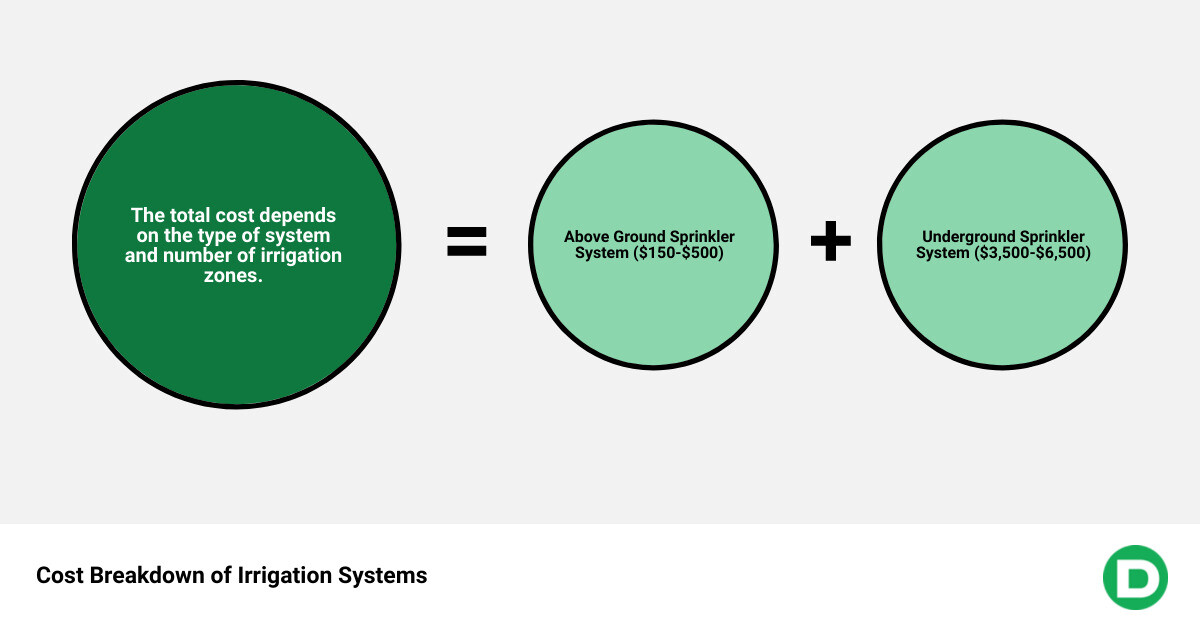
Wondering what you’ll have to spend? Here’s a quick breakdown:
The type of system and number of irrigation zones are the major cost drivers.
Investing in an irrigation system not only keeps your lawn looking great but also saves you time and money in the long run. Automated systems can optimize water usage, ensure healthy plant growth, and even boost your home’s resale value.
A faulty or outdated system can be a drain on resources, leading to higher water bills and maintenance costs. So, if you’re grappling with constant repairs or uneven watering, it might be time to explore a more efficient solution.
When planning to install an irrigation system, understanding the costs involved is crucial. From the type of system to the installation and ongoing maintenance, several factors can influence the overall expense. Let’s break it down.
Above-Ground Systems
Above-ground sprinkler systems are the most economical option, ranging from $150 to $500. These systems involve sprinklers connected to an outdoor faucet through a hose. They’re best suited for small yards due to their limited control over water distribution.
In-Ground Systems
In-ground sprinkler systems are more complex and cost between $3,500 and $6,500. These systems are installed underground with sprinkler heads in separate zones. They offer better automation and control, making them ideal for larger yards over 1,000 square feet.
Drip Irrigation
Drip irrigation systems deliver water directly to individual plants, conserving water and reducing the need for frequent watering. These are perfect for gardens, flower beds, and vegetable rows.
Rotary Irrigation
Rotary irrigation systems use sprinkler heads that spray water in gentle streams over a large radius. These are suitable for large lawn areas, hills, and slopes.
Labor
Labor costs can vary significantly based on your location. Typically, irrigation contractors charge between $50 and $100 per hour. For a large property, the labor costs can add up quickly.
Materials
The cost of materials like sprinkler heads, pipes, and controllers also affects the overall expense. Sprinkler heads alone can range from $2 to $30 each, depending on their quality and functionality.
Yard Size
The size of your yard is a primary cost driver. Larger yards require more materials and labor, increasing the overall cost. Most systems are divided into zones, and each additional zone can add $500 to $1,000 to your bill.
System Complexity
The complexity of your landscape design also influences costs. Different areas of your yard, such as lawns, gardens, and flower beds, may require separate zones and specialized sprinkler heads.
Winterization
Preparing your system for winter is essential to prevent damage from freezing temperatures. Winterization services can cost around $50 to $150 annually.
Inspections
Regular inspections ensure your system operates efficiently. These checks can help identify leaks or malfunctioning components, preventing costly repairs down the line.
Repairs
Even the best systems need occasional repairs. Replacing sprinkler heads, fixing leaks, or addressing controller issues are common maintenance tasks. Low-quality sprinkler heads may need replacement every few years, while higher-quality ones can last 10 to 15 years.
Setting up an irrigation system involves several upfront expenses. Here’s a quick look at what you can expect:
Equipment Costs
The equipment for an irrigation system includes sprinkler heads, pipes, valves, and controllers. Sprinkler heads alone can range from $2 to $30 each. Higher-end heads last longer but will increase your initial costs.
Installation Labor
Labor is a significant part of the total cost. Contractors typically charge between $50 and $100 an hour. For a small yard, this might take a day, but larger properties can take up to a week, driving up labor costs.
Permits
Most cities require permits for irrigation systems. Permit costs vary by location and are usually included in the contractor’s quote. If you’re DIYing, you’ll need to handle this yourself.
Yard Zones
The number of zones in your yard also impacts cost. A single zone system might start at $1,000, but each additional zone can add $500 to $1,000. For example, a four-zone system can range from $2,500 to $3,000.
Installing an irrigation system is not just a one-time expense. There are ongoing costs to consider:
Water Usage
Irrigation systems use about 15 liters of water per minute. While systems with timers and sensors are more efficient, water costs can still add up, especially in areas with high water rates.
Regular Maintenance
Regular inspections and maintenance are crucial. This includes checking for leaks, adjusting sprinkler heads, and ensuring the controller works correctly. Maintenance can prevent costly repairs and extend the system’s lifespan.
Potential Repairs
Even high-quality systems require occasional repairs. Replacing low-quality sprinkler heads every few years, fixing leaks, or addressing controller issues are common tasks. High-quality heads may last 10 to 15 years but still need eventual replacement.
Understanding these costs helps you plan your budget effectively. In the next section, we’ll discuss how to choose the right irrigation system for your needs and budget.
Choosing the right irrigation system involves understanding your specific needs and comparing different types to find the most cost-effective solution. Let’s break it down.
Before you decide on an irrigation system, consider the following:
Lawn Size:
– Small lawns (under 1,000 square feet) may benefit from a simple above-ground system.
– Larger lawns (over 1,000 square feet) typically require an underground system for efficient coverage.
Plant Types:
– Gardens with delicate plants may need a drip irrigation system to provide controlled water flow.
– Lawns and larger plants might do better with rotary or spray irrigation systems.
Climate:
– In dry, hot climates, a system with a timer and sensors can help conserve water.
– In areas with frequent rain, a system with rain sensors can prevent overwatering.
Drip vs. Sprinkler:
Manual vs. Automatic:
Cost-Effectiveness:
Choosing the right system depends on your specific needs and budget. In the next section, we’ll explore the costs of irrigation systems based on property size.
If you have a small to medium-sized yard, installing an irrigation system can be quite affordable. For instance, a quarter-acre yard typically costs between $2,200 and $5,000 for an in-ground system. This range depends on factors like the number of zones and the type of sprinkler heads you choose.
For a half-acre yard, you can expect to pay around $4,000 to $8,000. Above-ground systems, which range from $150 to $500, are also an option for smaller yards. However, they are less ideal for medium-sized properties due to the difficulty in managing water flow across different areas.
When it comes to larger properties, the costs can escalate quickly. For a one-acre yard, the price can range from $6,000 to $10,000. Larger estates, especially those spanning multiple acres, can see costs reach $20,000 or more. This higher cost is due to the increased complexity and number of irrigation zones required.
For example, a homeowner in Montana was quoted $8,000 to $12,000 for a 4,000 square foot yard. The cost disparity often depends on local labor rates and specific project requirements.
In summary, the irrigation system cost varies significantly based on the size of your property. Small to medium-sized yards are more budget-friendly, while large estates require a more substantial investment.
Next, we’ll delve into frequently asked questions about irrigation system costs to help you make an informed decision.
Yes, an irrigation system can increase your property value. While it might not be the most glamorous home improvement, it plays a crucial role in maintaining beautiful landscaping. Trevor Lively, President of Blue Jay Irrigation, notes that a well-maintained lawn can boost your home’s curb appeal, making it more attractive to potential buyers. According to experts, a sprinkler system can enhance your property value by $5,000 to $15,000, depending on the size and type of system installed.
Water efficiency is a significant benefit of modern irrigation systems. Here are a few tips to minimize water usage:
If you’re on a budget, consider these cost-effective irrigation options:
While the upfront costs can be high, many homeowners find the investment worthwhile. A well-installed irrigation system can save time and effort, reduce your water bill, and even increase your property value. According to the National Association of Realtors’ “2023 Remodeling Impact Report,” the expected cost recovery for irrigation system installation is 83 percent. This means you can recoup a significant portion of your investment when you sell your home.
Efficient watering is key to saving on water bills. Here are some tips:
For those looking for low-maintenance options, consider:
By understanding these key points, you can make a more informed decision about installing an irrigation system. Next, we’ll explore the cost of irrigation systems based on property size to give you a clearer picture of what to expect.
Investing in an irrigation system can save you time, effort, and money in the long run. Whether you have a small yard or a large estate, there are options to fit your needs and budget. By understanding the different types of irrigation systems, the factors influencing their costs, and the long-term financial considerations, you can make an informed decision that enhances your property’s value and keeps your landscape looking its best.
The initial setup costs might seem high, but the efficiency and convenience of an automated system can lead to significant water savings and reduced maintenance costs over time. Plus, a well-maintained lawn adds to your home’s curb appeal, potentially increasing its value.
If you’re ready to make the leap, consider reaching out to a professional like Dube Property Maintenance & Hardscaping. We specialize in installing and maintaining high-quality irrigation systems tailored to your landscape’s unique needs.
Say goodbye to the hassle of manual watering and the uncertainty of weather-dependent hydration. Contact us today to discover how our irrigation systems can transform your landscape into a thriving, vibrant, and beautiful outdoor space that you can enjoy year-round.
Invest in the health and beauty of your property with Dube Property Maintenance & Hardscaping. We have the expertise and attention to detail you expect with the high quality and dependability you want. Call today for a free estimate at 978.689.0612.
By choosing the right irrigation system and professional installation, you’re not just watering your lawn—you’re making a smart investment in your property’s future.