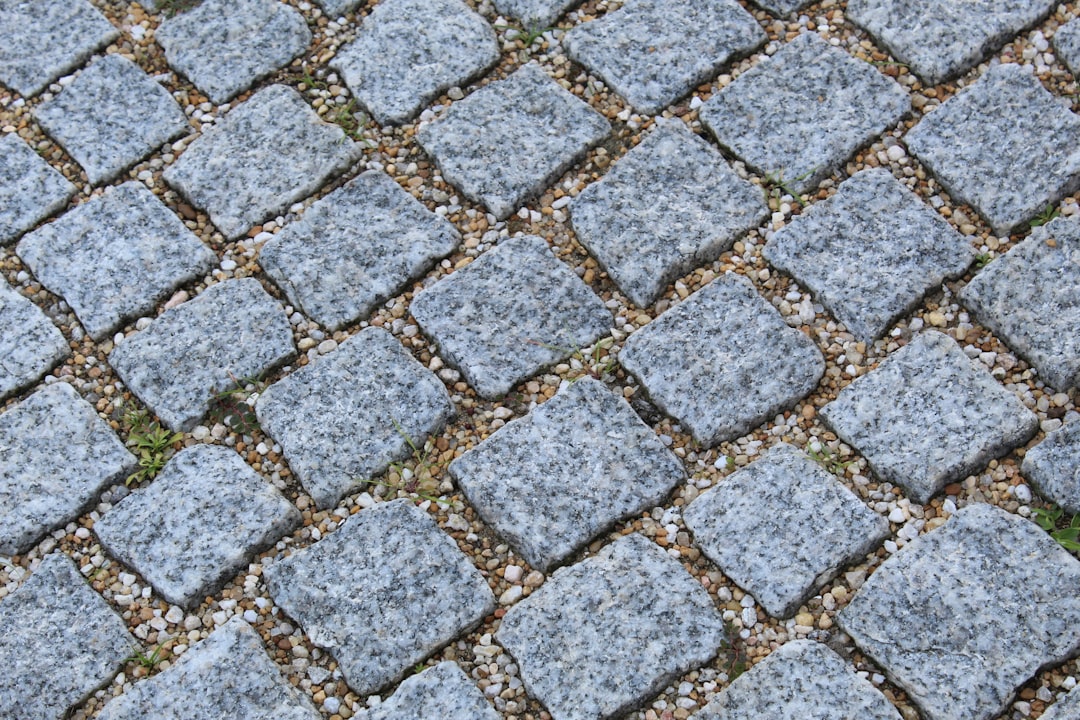

Types of stone for pathways offer homeowners countless options to create stunning, functional walkways that improve curb appeal and property value. Whether you’re considering loose materials like pea gravel or solid options like flagstone, each stone type brings unique benefits to your landscape design.
Quick Guide to Popular Pathway Stone Types:
The charm of a stone path isn’t just aesthetic. It serves as the backbone of your outdoor space, guiding guests while withstanding New England’s harsh freeze-thaw cycles.
Your pathway choice impacts durability, maintenance, and how well it complements your home’s architecture. In Methuen’s climate, selecting stone that handles winter conditions while maintaining year-round beauty is crucial.
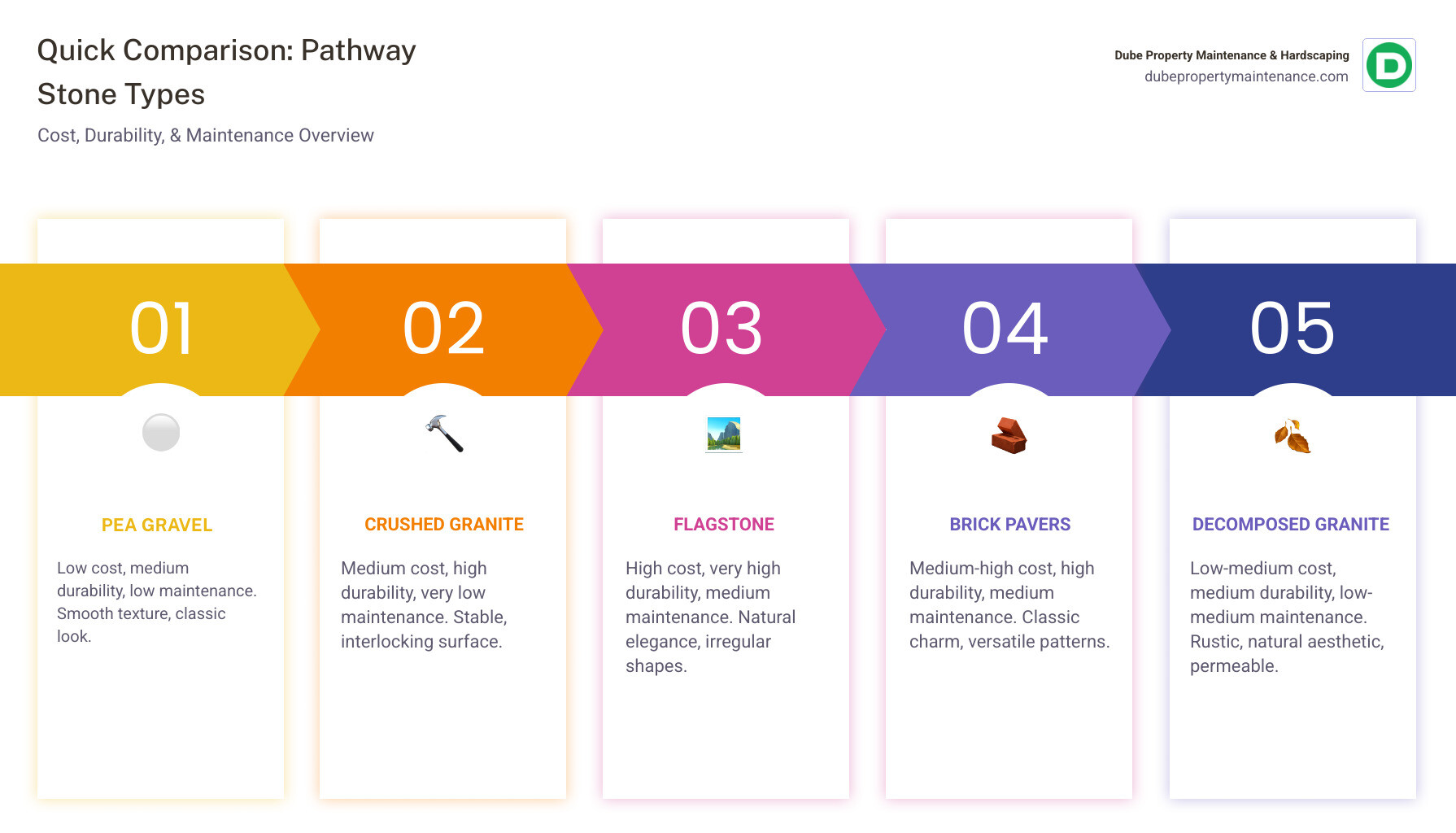
Understanding the different types of stone for pathways is key to a beautiful, lasting investment. From budget-friendly gravel to neat flagstone, each material has unique qualities.
This comprehensive guide breaks down both loose stone and solid paver options, giving you the inside scoop on what works best for different situations. Whether you’re dreaming of a casual garden path or a grand entrance walkway, we’ll help you steer the pros and cons of each option.
Loose stone pathways create a relaxed, natural feel, inviting you to slow down and enjoy the journey. These materials shine when you want an organic look that seems to have grown right out of the landscape.
Pea Gravel: Classic and Cost-Effective
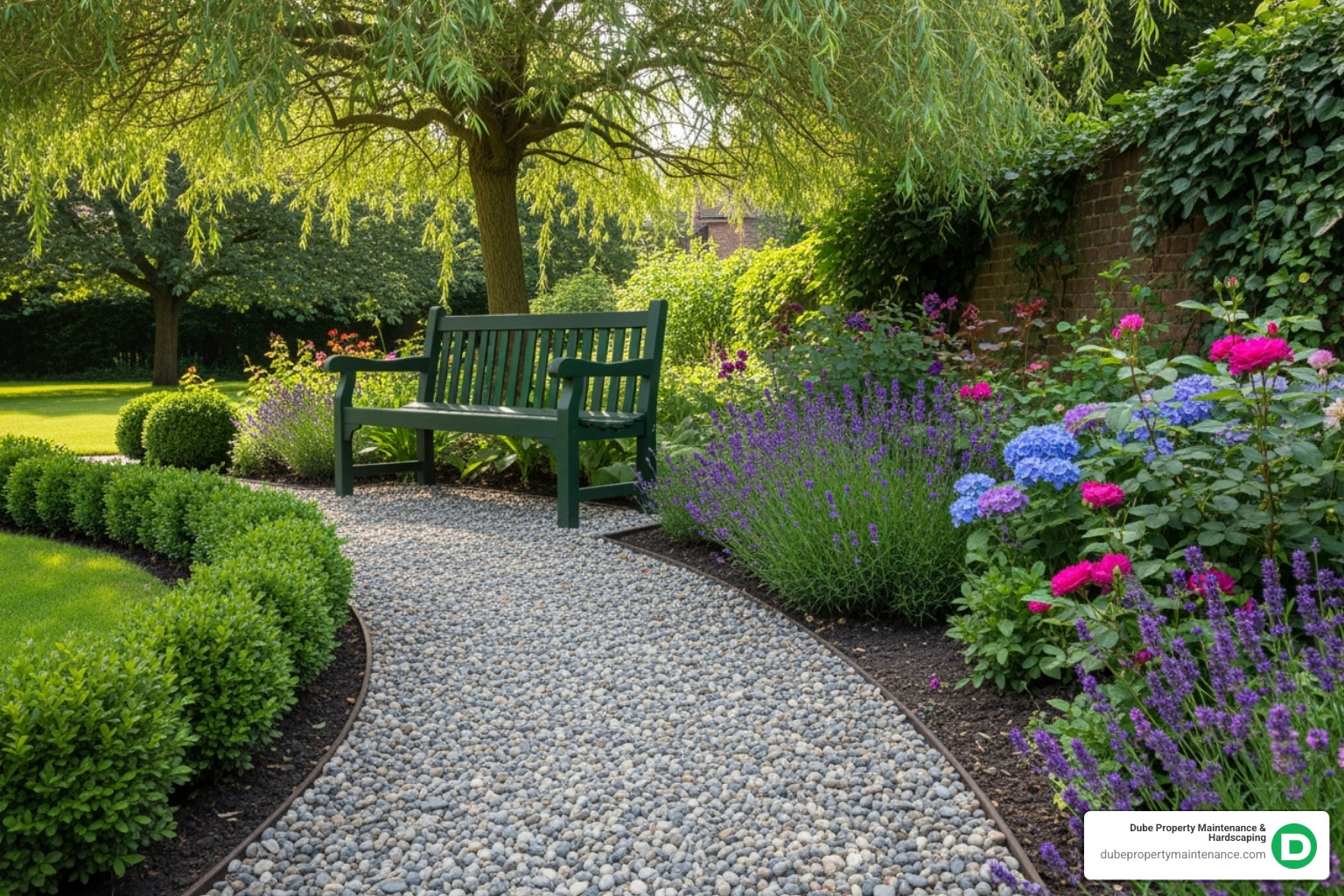
Named for its tiny, rounded shape, pea gravel has been a homeowner favorite for decades. These 1/8 to 1/4 inch stones create a comfortable walking surface that’s gentle on bare feet.
The affordability of pea gravel makes it a favorite for first-time pathway builders. Its smooth texture feels pleasant underfoot, while the excellent drainage means puddles become a thing of the past. The classic, informal look blends seamlessly into any garden setting.
However, pea gravel shifts easily, so you’ll need sturdy edging to keep it contained. It can also get tracked indoors on shoes.
Pea gravel works beautifully for low-traffic garden paths, cozy patios, and decorative areas. If you’re exploring Paver Walkway Ideas, consider using pea gravel as a softer accent material.
Crushed & Decomposed Granite: Stable and Natural
For more stability with a natural aesthetic, granite is an excellent choice.
Crushed granite brings serious stability thanks to its angular, interlocking pieces. Those sharp edges lock together, creating a stable surface that won’t shift under your feet. It’s low maintenance and naturally weed resistant, making it perfect for high-traffic paths and even driveways.
Decomposed granite offers a gentler approach with its fine, sand-like texture that creates a rustic, natural look. It compacts beautifully and stays permeable, allowing water to filter through. This makes it ideal for natural garden paths where you want an organic feel.
River Rock & Marble Chips: Decorative Accents
These materials are best used as decorative accents rather than for main walkways.
River rock brings beautiful smooth, rounded shapes in various sizes. However, they tend to shift and roll underfoot, making them less ideal for primary walking surfaces. They excel in borders, dry creek beds, and drainage areas.
Marble chips offer a bright, reflective surface that creates a sophisticated look. Just keep in mind that marble can alter soil pH toward alkaline, so keep them away from acid-loving plants like azaleas. They’re perfect for decorative borders and accent areas.
When considering costs, these types of stone for pathways vary widely. These are average internet prices, not actual quotes from Dube Property Maintenance & Hardscaping. Material costs alone typically range from $0.50 to $15 per square foot, while professional installation including base preparation and labor can range from $3 to $30+ per square foot. While gravel options are generally budget-friendly, professional installation ensures your pathway will last for years.
For a permanent, formal look, solid stone and pavers deliver durability and elegance. They transform walkways into stunning landscape features.

Flagstone, Bluestone, and Fieldstone: Natural Elegance
These natural stones bring best character, as each piece tells its own geological story.
Flagstone creates magic with its large, irregular shapes and natural, earthy tones. When properly installed, flagstone creates a stable, beautiful surface perfect for patios, natural garden paths, and stepping stones.
Bluestone is a workhorse known for its durability against New England’s freeze-thaw cycles. It can be cut uniformly or left irregular for design flexibility. Bluestone is porous and needs sealing to maintain its color and prevent staining. Darker varieties can get hot in direct sunlight.
Fieldstone brings authentic, rustic character. These naturally occurring stones create an organic, informal look perfect for stepping-stone paths. Their irregular nature makes them challenging to level perfectly.
Our team specializes in Flagstone Steps and Walkway installations that improve your property’s natural beauty.
Limestone, Brick, and Concrete Pavers: Timeless & Versatile
These materials offer versatile, proven performance for any architectural style.
Limestone has versatile colors and textures. Its light colors stay cool in direct sunlight, making it great for patios and pool areas. Limestone is vulnerable to acidic substances, so clean spills quickly.
Brick delivers timeless, old-world charm. You can create stunning patterns like herringbone or basket-weave, and the color stays true for decades. While installation can be costly, brick is easy to clean and repair. Watch for moss growth in shaded areas. Find the classic appeal of a Brick Walkway to Front Door for your home’s entrance.
Concrete pavers offer the affordability of manufactured materials with durability that rivals natural stone. They come in a huge variety of shapes, colors, and textures. However, dyed concrete can fade over time, and proper installation requires specialized equipment like heavy plate compactors.
Each of these types of stone for pathways brings something special. The key is matching the material to your needs, climate, and vision.
Choosing the right types of stone for pathways involves matching the material to your lifestyle, climate, and landscape design. It needs to be both beautiful and functional.
First, consider how your pathway will be used. This practical approach prevents future headaches.
High-traffic areas demand tough materials that won’t shift or wear. For a path from your driveway to your front door, crushed granite or concrete pavers create a stable, long-lasting surface.
For decorative paths that meander through a garden, you have more flexibility. Pea gravel or fieldstone can create a charming, cottage-garden feel.
Bare feet change everything. If your path leads to a pool, smooth materials like limestone are essential. They stay cool in summer sun, unlike darker stones that can become uncomfortably hot.
Wheelbarrow and equipment access requires firm, level surfaces. Loose gravel makes this difficult. Crushed granite or pavers provide the needed stability for wheeled equipment.
For outdoor furniture areas, stability is crucial. A solid, level surface ensures your outdoor furniture sits properly and safely.
At Dube Property Maintenance & Hardscaping, we incorporate these practical considerations into our Landscape and Hardscape Design services, ensuring your pathway perfectly matches its intended use.
New England’s weather is tough on outdoor materials. In our Methuen climate, we know which stones last. Understanding these factors is key to a long-lasting pathway.
Freeze-thaw cycles can crack or crumble weaker stones. Bluestone is popular here because it withstands these temperature swings.
Porosity matters. Porous stones like bluestone and limestone absorb water. Sealing these materials is essential to prevent damage and maintain their appearance.
Heat absorption creates comfort issues. Darker stones can become scorching hot in direct sunlight. Lighter-colored stones like limestone reflect heat and stay comfortable.
Proper drainage prevents water pooling and erosion. Gravel pathways excel at drainage. For solid stone or pavers, we ensure a slight pitch to guide water away.
Soil chemistry affects surrounding plants. Marble chips can make soil more alkaline, harming acid-loving plants. We always consider your existing landscaping when recommending materials.
Your pathway should be a natural extension of your home, creating a cohesive look that reflects your style.

Modern versus rustic aesthetics require different approaches. Modern homes shine with sleek, precisely cut bluestone or geometric pavers. Rustic homes come alive with fieldstone, flagstone, or decomposed granite.
Formal versus informal design is reflected in path choices. A straight, edged paver path announces formality. A winding pea gravel or flagstone path whispers informality.
Color and texture coordination creates visual harmony. Select stones that complement your home’s exterior and existing hardscape. Smooth stones convey elegance, while rougher textures suggest natural charm.
Border definition transforms any pathway. Proper edging contains loose materials like gravel while adding visual structure. Border stones in complementary colors can create striking patterns.
Creative material mixing opens up design possibilities. River rock makes an excellent border for pea gravel paths, while flagstones set within smaller gravel create unique texture combinations. These mixed approaches allow you to incorporate multiple types of stone for pathways in ways that reflect your personal style.
Once you’ve selected from the types of stone for pathways, project success hinges on proper installation and maintenance. This ensures your walkway looks great for years.
The difference between a durable pathway and one that fails quickly is the subsurface preparation. Taking shortcuts during installation leads to future problems.
Excavation depth sets the foundation. Gravel paths need about four inches, solid stone requires five, and paver paths demand roughly nine inches deep. This ensures your pathway remains level and stable.
A compacted base layer creates a rock-solid foundation. We fill the excavated area with crushed stone, then use heavy plate compactors to eliminate air pockets. This step prevents settling and requires professional equipment.
Landscape fabric for weed suppression is an invisible guardian. This permeable barrier allows water to drain while blocking weeds from pushing through.
Proper edging installation is critical for loose materials like pea gravel. Sturdy borders prevent your pathway from migrating into surrounding garden beds and lawns.
Ensuring good drainage protects your investment. We grade every pathway with a subtle slope that sheds water away from your home and prevents pooling.
Our Hardscape Construction Service handles every detail, ensuring your chosen stone pathway performs beautifully for decades.
Even durable types of stone for pathways require some maintenance. These straightforward tasks can prevent costly future repairs.
Raking and leveling loose stone keeps gravel pathways looking neat. A monthly rake-through redistributes material and maintains a crisp appearance.
Topping off gravel is necessary every few years as material settles or gets tracked away. Adding a fresh layer refreshes the entire pathway.
Weed control varies by stone choice. Crushed granite’s interlocking nature naturally resists weed growth, making it a low-maintenance option.
Cleaning and sealing solid stone preserves the beauty of porous materials like bluestone and limestone. Regular cleaning and periodic sealing create a protective barrier.
Sweeping paver joints and occasionally adding fresh sand keeps pavers locked in place and prevents weed growth.
Our Hardscape Maintenance Service takes the guesswork out of pathway care, ensuring your investment continues to improve your property value.
A well-designed pathway is more than a route; it’s a landscape feature that adds value and enjoyment.
Pathway lighting for safety and ambiance extends your outdoor living hours. Low-voltage lights illuminate walking surfaces while highlighting the beauty of your stones. For comprehensive lighting ideas, this Guide to yard illumination offers excellent inspiration.
Complementary plantings like ground cover or border plants soften hard edges. Imagine woolly thyme growing between flagstones or border plantings like lavender and hostas adding seasonal color.
Combining stone with other hardscape materials opens up design possibilities. A pea gravel path bordered with brick creates formal definition. Consider options like Grass Between Stone Pavers for a lush, integrated approach.
When planning a pathway, homeowners often have the same questions. Here are answers to common concerns about the different types of stone for pathways.
Yes, gravel pathways excel in heavy rain! Their permeable design allows water to flow through instead of pooling. When properly installed with a solid base, secure edging, and a slight slope, gravel becomes a drainage superhero. This makes gravel a practical choice for properties in New England that need reliable drainage year-round.
The answer depends on which types of stone for pathways you choose.
Solid stone pathways made with bluestone, flagstone, or professionally installed pavers can last a lifetime. These durable materials are designed to withstand heavy traffic and New England’s challenging freeze-thaw cycles.
Gravel pathways offer a different kind of longevity. The pathway itself can last indefinitely with proper care. With professional installation and routine maintenance like raking and top-offs, gravel paths commonly last 7-10 years or more before needing major attention.
The secret to longevity is proper base preparation and choosing materials that match your climate.
Absolutely, and this is where pathway design gets exciting! Mixing different types of stone for pathways creates unique, textured designs that add incredible visual interest.
Some of our favorite combinations include using smooth river rock as a decorative border for a pea gravel path. Another popular approach involves setting larger flagstones within a bed of smaller gravel or decomposed granite, combining the stability of solid stepping stones with the permeable benefits of loose materials.
This approach works wonderfully for highlighting garden features or creating natural transitions between different areas of your outdoor space.
Choosing from the many types of stone for pathways is a significant decision impacting your home’s curb appeal and function. Whether you prefer rustic pea gravel, stable crushed granite, or neat bluestone, each material adds a unique personality to your landscape.
The perfect path balances beauty with durability and lifestyle. A busy entrance requires different materials than a quiet garden path, and New England’s freeze-thaw cycles are a major factor in a pathway’s longevity.
Budget is important, but the cheapest option isn’t always the most economical long-term. A well-installed flagstone path may cost more upfront than gravel but can outlast it with less maintenance.
While DIY is tempting, professional installation makes all the difference for a long-lasting pathway. The team at Dube Property Maintenance & Hardscaping has years of experience with all types of stone for pathways in our challenging New England climate.
We understand the nuances of a successful installation, from proper base depth to the best edging techniques. Our expertise ensures your pathway looks stunning and performs beautifully for years.
Your dream pathway is closer than you think. Whether you envision a formal brick entrance, a meandering gravel garden path, or a striking bluestone patio connection, we’re here to guide you.
Ready to transform your property with a beautiful, durable pathway? Contact our Stone Walkway Installers today for expert guidance and professional installation that will make your neighbors stop and admire.