
When weighing driveway replacement cost DIY vs professional, most homeowners in Methuen, MA and surrounding communities like Andover and Lawrence want a straight answer before they read another word. Here it is:
Quick Cost Comparison: DIY vs Professional Driveway Replacement
| Approach | Typical Cost Range* | Best For |
|---|---|---|
| DIY (gravel only) | $1,100 – $2,500 per 1,000 sq ft | Simple gravel driveways on flat, firm ground |
| DIY (asphalt/concrete) | Not recommended | Requires commercial equipment and hot-mix materials unavailable to homeowners |
| Professional asphalt | $3,500 – $7,000+ for standard driveway | Full replacement with proper base prep and compaction |
| Professional concrete | $5,500 – $30,000+ depending on finish | Long-lasting, decorative, or high-traffic applications |
| Professional gravel | $1,500 – $4,000 per 1,000 sq ft | Cost-effective, drainage-friendly option |
*These are industry average ranges sourced from publicly available online data and do not reflect the actual pricing of Dube Property Maintenance & Hardscaping. Actual costs vary widely based on site conditions, materials, and project scope.
Bottom line: For most homeowners in Massachusetts and New Hampshire, DIY is only realistic for basic gravel driveways. Asphalt and concrete almost always require a professional.
Your driveway takes a beating. New England freeze-thaw cycles — common in areas like Methuen, Lawrence, and Andover — crack surfaces, heave slabs, and erode bases faster than most people expect. So when a driveway starts failing, the question isn’t just how much will this cost? It’s should I even attempt this myself?
The honest answer is more nuanced than most articles admit. The potential savings of going DIY can evaporate quickly when equipment rental, material limitations, and a failed sub-base enter the picture. A $30 patch kit sounds appealing — until a poorly compacted repair turns into a $3,000 problem the following spring.
This guide breaks down exactly what each approach costs, where the hidden expenses hide, and when calling a professional is the smarter financial decision.

To truly understand the driveway replacement cost diy vs professional, we have to look past the surface. Homeowners often look at the price of a few bags of concrete or cold-patch asphalt at the local hardware store and assume they can save thousands of dollars by doing the labor themselves. However, a driveway is only as good as the ground beneath it.
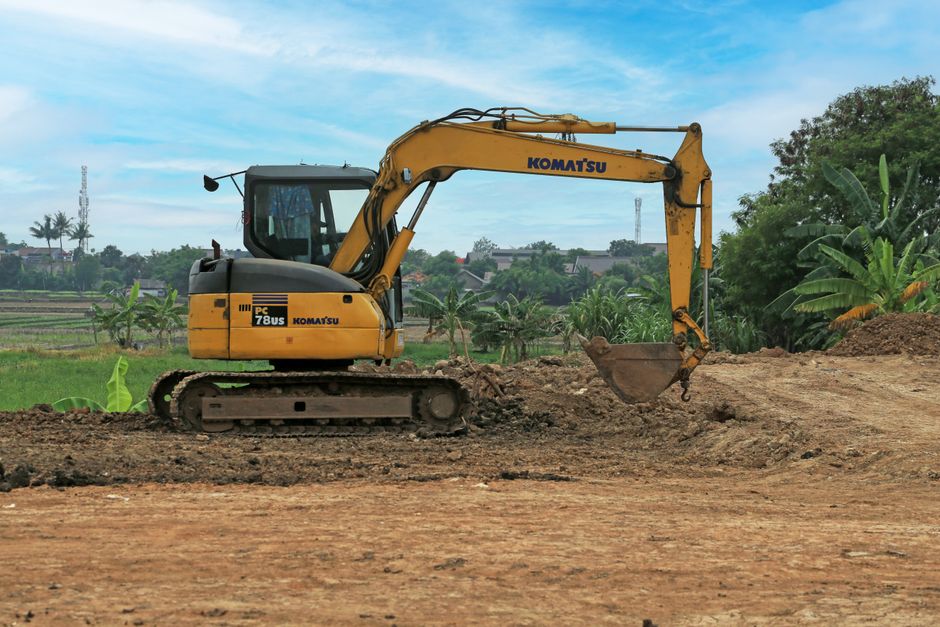
When calculating the real cost of a driveway replacement, we must factor in professional-grade equipment, extensive site preparation, and the regional labor rates of New England. In places like Methuen, MA and Salem, NH, labor rates for specialized heavy equipment operators typically range from $75 to $120 per hour.
Proper site preparation is not just a preliminary step; it is the foundation of the entire project. Excavation requires clearing out the old, failing surface, digging down to a stable soil level, and grading the area to ensure water flows away from your home’s foundation. If you attempt this as a DIY project, renting a mini-excavator or skid-steer can cost between $200 and $400 per day. Additionally, without professional experience operating this machinery, you risk damaging underground utility lines or creating uneven grading that leads to severe water pooling.
According to the How Much Does a New Driveway Cost in 2026? Prices Guide, site preparation alone can add 20% to 40% to the base cost of a driveway installation. For a detailed look at what goes into a professional base setup, you can read our guide on How Much Does It Cost to Install a Driveway.
To keep pricing transparent and set realistic expectations, we must note that all prices mentioned in this guide are average costs sourced from publicly available internet data. They do not represent the actual pricing or guaranteed rates of Dube Property Maintenance & Hardscaping. To account for local market fluctuations and project variations, always keep in mind that realistic, wide-ranging professional costs for comprehensive driveway replacements can span from $7,000 (for basic, small-scale replacements) to $35,000+ (for larger, premium, or complex decorative projects).
The material you choose is the single biggest factor in your overall budget. Let’s look at how the most popular materials stack up in terms of cost and DIY feasibility for a home in Andover, MA or surrounding towns.
Asphalt is a New England classic because of its flexibility under extreme temperature swings.
Concrete offers unmatched durability and a clean, modern look, but it requires meticulous installation.
Gravel is highly affordable and naturally drainage-positive, making it popular in semi-rural areas of New Hampshire and Massachusetts.
Interlocking pavers offer high-end curb appeal and are incredibly durable, but they are incredibly labor-intensive.
When homeowners try to calculate a DIY budget, they often forget about the “unseen” costs that professional contractors automatically include in their quotes. In places like North Andover, MA, these hidden fees can quickly break a DIY budget.
The internet is full of weekend warriors claiming they paved their own driveways for a fraction of the cost of a professional crew. What those videos don’t show you is how those driveways look six months later after a classic New England winter.

The most common point of failure for DIY driveways is the subgrade. To the untrained eye, a layer of dirt looks perfectly fine to pave over. But professional hardscapers know that the soil must be excavated, replaced with a specific mixture of crushed gravel (often called a “dense grade” or “crusher run” base), and compacted using a heavy, vibrating roller.
If you use a lightweight hand-tamper or a small rental compactor, the base will remain loose. When heavy vehicles park on the surface, the weak base shifts, causing the asphalt or concrete above it to sink and crack.
Furthermore, New England is famous for its harsh freeze-thaw cycles. In cities like Lawrence, MA and Haverhill, MA, water seeps into the soil beneath your driveway. When the temperature drops, that water freezes and expands, lifting the driveway (frost heave). When it thaws, the ground settles unevenly. Without a professionally compacted base and proper drainage, a DIY driveway will fracture under these forces within its first winter.
If you want to understand the step-by-step process of how we build a base that stands up to these elements, take a look at our article on How to Install a Driveway. For a realistic look at why DIY asphalt products fail, you can read Can I DIY My Driveway? – Mr. Patch Asphalt & Sealcoating.
When you hire a professional hardscaping team, you aren’t just paying for labor; you are purchasing peace of mind, specialized machinery, and commercial-grade materials that simply aren’t sold to the general public.
| Feature | DIY Approach | Professional Installation |
|---|---|---|
| Material Quality | Retail-grade cold mixes or standard bag concrete | Commercial-grade hot-mix asphalt or 32 MPa air-entrained concrete |
| Equipment Used | Hand tools, light rental compactors | Heavy excavators, commercial vibratory rollers, laser levels |
| Base Preparation | Often skipped or compacted insufficiently | 4 to 8 inches of crushed gravel base, machine-compacted |
| Project Warranty | None (you pay for your own mistakes) | Typically a 1-year to 2-year structural warranty |
| Lifespan | 2 to 5 years (high risk of early failure) | 15 to 20 years (asphalt) / 30 to 50 years (concrete) |
Professional crews have access to heavy-duty machinery that achieves maximum compaction density, ensuring the subgrade will not shift. They also use commercial-grade asphalt and concrete mixes designed to resist the specific climate conditions of Salem, NH and surrounding towns.
Additionally, reputable professionals stand behind their work with structural warranties. If a section of your professionally installed driveway settles or cracks prematurely, the contractor is responsible for fixing it—not your wallet. For a complete look at the benefits of professional work, explore our Residential Driveway Replacement Complete Guide.
As a general rule, we recommend the 25 percent rule: if cracks, potholes, or structural damage cover more than 25% of your driveway’s surface, a full replacement is more cost-effective than continuous patching. Superficial hairline cracks can often be sealed or resurfaced. However, if you notice deep alligator-style cracking (which looks like scales) or major sunken areas, these are classic signs of subgrade failure. No amount of surface patching will fix a crumbling foundation; in these cases, a full replacement is required.
The New England climate is exceptionally brutal on hard surfaces. Our winters feature frequent temperature swings where snow melts during the day, seeps into tiny pores in your driveway, and freezes again at night. This rapid expansion fractures the material from the inside out. To prevent this, a driveway must have a highly compacted, well-draining gravel sub-base that allows water to escape before it can freeze and cause frost heave.
A standard residential driveway replacement typically takes 2 to 5 days of active on-site work, split into distinct phases:
At the end of the day, your driveway is more than just a place to park your car—it is a major contributor to your home’s curb appeal and overall property value. While attempting a DIY installation might seem like an attractive way to save money upfront, the specialized equipment, intense physical labor, and strict material requirements make it a highly risky venture for most homeowners.
If you want a beautiful, long-lasting driveway that will withstand New England’s toughest winters, trust the experienced team at Dube Property Maintenance & Hardscaping. We provide professional hardscaping and landscape installation services throughout Methuen, MA, Andover, Lawrence, and Salem, NH, ensuring your project is done right from the sub-base up.
Ready to transform your home’s entrance? Contact our professional team today at +978-689-0612 or visit our Driveway Replacement Company page to learn more. You can also request a free, personalized estimate by filling out our online contact form. Let’s build a driveway that lasts!
