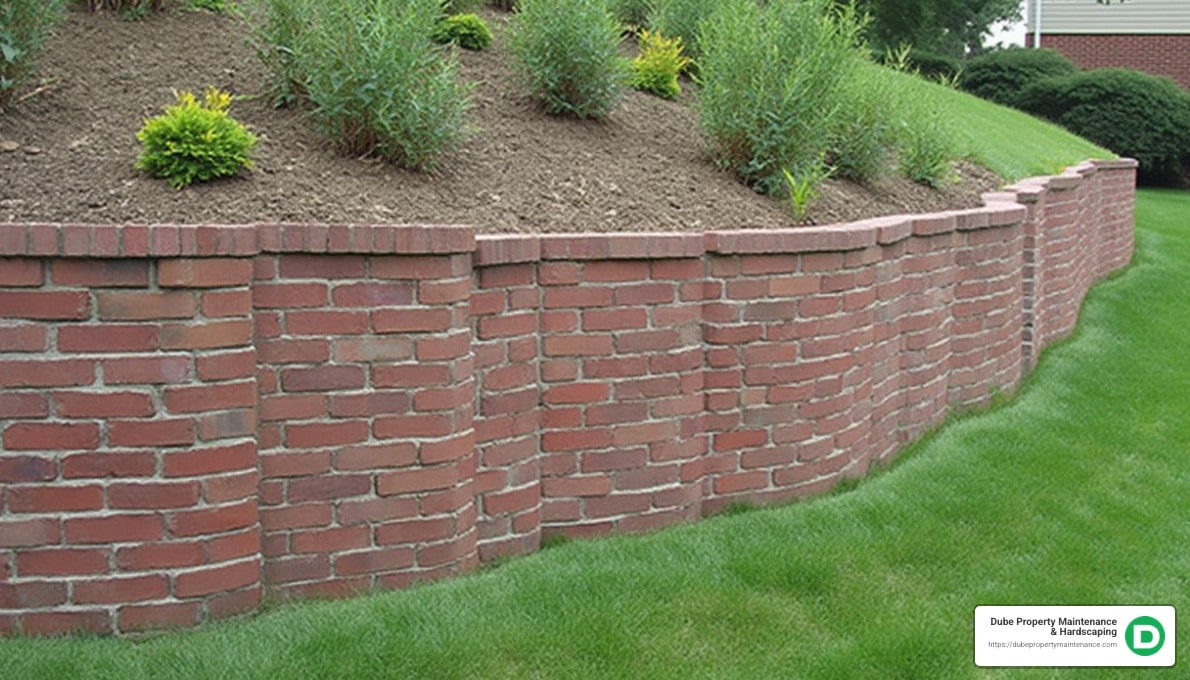

Retaining wall bricks are a versatile and essential element for any outdoor space, offering both functional and aesthetic benefits. Here are the basics you need to know:
Retaining walls are more than just barriers; they’re a way to lift your outdoor space’s look and usability. They allow homeowners and business owners in places like Methuen, MA, to create inviting, functional landscapes despite challenging terrain and weather conditions.
Retaining wall bricks helpful reading:
– building a retaining wall
– landscape retaining wall ideas
– retaining wall ideas
When it comes to selecting the right retaining wall bricks, understanding the different types available is key. Each type offers unique benefits, so let’s dive into the most popular options: clay bricks, Basalite blocks, and concrete blocks.
Clay bricks are a classic choice for retaining walls. Known for their timeless appearance, they bring a warm and natural look to any landscape.
Basalite blocks are a popular choice due to their versatility and ease of use. These blocks are a type of concrete masonry unit, and they’re known for their strength and adaptability.
Concrete blocks are a staple in retaining walls. They offer a solid and reliable solution for both small and large-scale projects.
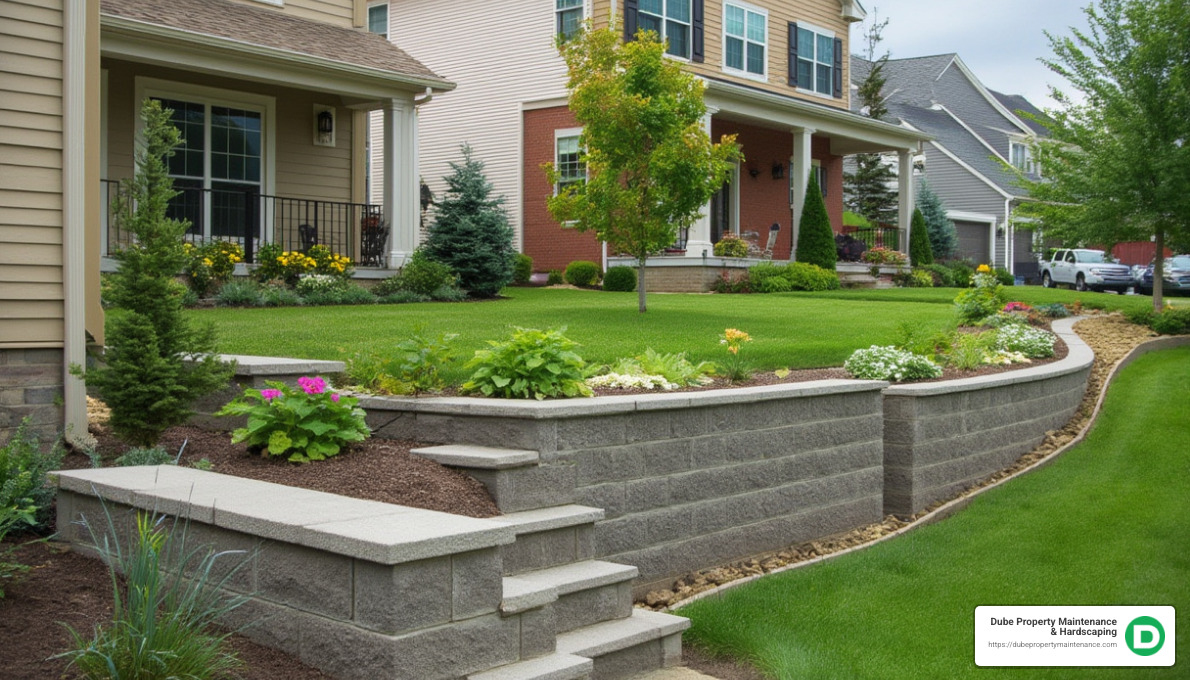
Selecting the right type of retaining wall bricks depends on your specific needs, budget, and aesthetic preferences. Whether you opt for the classic charm of clay, the versatility of Basalite, or the robust nature of concrete, each option offers distinct advantages that can improve your outdoor space.
Next, we’ll explore which bricks offer the best durability and design options for various environmental conditions.
When choosing retaining wall bricks, durability is a top concern, especially in areas with harsh weather conditions. Let’s explore some of the best options available, focusing on frost resistance and interlocking capabilities.
F2 Bricks
F2 bricks are designed to withstand freezing temperatures and the associated freeze-thaw cycles that can cause other bricks to crack or deteriorate. These bricks are perfect for regions where winter can be harsh, ensuring your retaining wall remains intact and functional year-round.
Perforated Bricks
Perforated bricks are an innovative option designed to improve drainage and reduce pressure on retaining walls. The holes allow water to pass through, preventing buildup that could otherwise compromise the wall’s stability.
Keystone
Keystone retaining wall systems are known for their interlocking design that provides both strength and flexibility. These systems are ideal for creating walls that need to withstand significant pressure while maintaining a pleasing aesthetic.
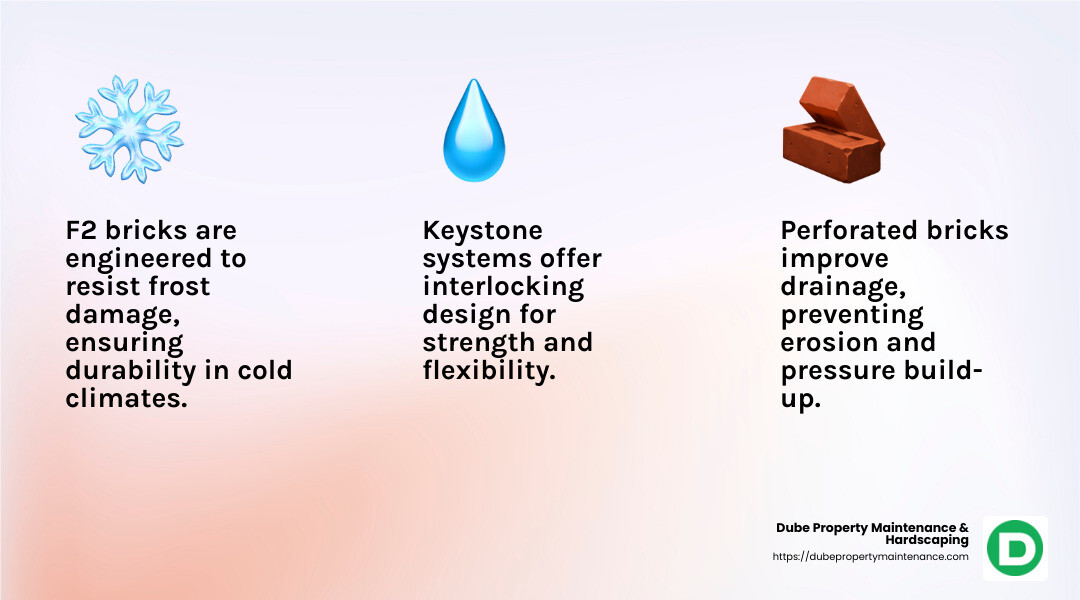
Choosing the right retaining wall bricks involves considering both environmental factors and aesthetic desires. With frost-resistant F2 bricks, drainage-friendly perforated bricks, and versatile Keystone systems, you have a range of options to ensure your wall is both durable and visually appealing.
Next, we’ll dig into cost-effective solutions for building retaining walls, exploring the most budget-friendly materials and comparing their costs.
Constructing a retaining wall doesn’t have to break the bank. There are several cost-effective materials that can help you achieve a durable and attractive wall without overspending.
Poured Concrete
Poured concrete is one of the most budget-friendly options for retaining walls. It offers a clean, modern look and can be molded into various shapes and sizes.
Pressure-Treated Pine
For those who prefer a natural look, pressure-treated pine is a cost-effective alternative. This wood is treated to resist decay, insects, and moisture.
Interlocking Blocks
Interlocking blocks, like those used in Keystone systems, are a popular choice due to their ease of installation and strength. They come in various shapes and sizes, allowing for creative designs.
Natural Stone
While natural stone can be on the pricier side, it offers best beauty and longevity. Each stone is unique, adding character to your wall.
When planning your retaining wall, consider both the upfront costs and long-term benefits of each material. Poured concrete and pressure-treated pine offer budget-friendly solutions, while interlocking blocks and natural stone provide flexibility and aesthetic value.
Next, we’ll explore the installation and maintenance of retaining wall bricks, focusing on tips to ensure a successful project.
Building a retaining wall with retaining wall bricks involves some key steps to ensure stability and longevity. Here’s how to do it right.
Leveling
Start with a solid base. Leveling is crucial. Uneven ground can lead to a wobbly wall. Use a spirit level to check your base layer. This ensures that the bricks sit evenly, providing a strong foundation.
Secure Interlocking
Choose interlocking bricks for added stability. These bricks fit together like puzzle pieces. This design helps the wall withstand pressure from the soil behind it. Make sure each brick is snugly interlocked with the next.
Drainage
Good drainage is essential. Without it, water can build up behind the wall, causing it to lean or collapse. Use gravel and a drainage pipe behind the wall to allow water to escape. This prevents pressure build-up and extends the life of your wall.
Erosion Prevention
Erosion can weaken your wall over time. Planting vegetation around the wall can help. Roots hold the soil in place, reducing erosion. Regularly check for signs of erosion and address them promptly.
Local Permits
Before you start building, check if you need a local permit. Some areas have specific regulations for retaining walls, especially if they are over a certain height. Getting the right permits ensures your wall is compliant with local rules.
Maintaining a retaining wall involves regular inspections. Look for cracks or signs of movement. Address issues quickly to prevent bigger problems. With proper installation and maintenance, your retaining wall bricks will provide both beauty and functionality for years to come.
Next, we’ll dig into designing with retaining wall bricks, exploring aesthetic choices and functional designs to improve your outdoor space.
When it comes to retaining wall bricks, aesthetics are just as important as functionality. The right color and texture can transform your outdoor space into a stunning visual masterpiece.
Color Options
Retaining wall bricks come in a variety of colors. From earthy browns and tans to sleek grays and blacks, there’s a shade to match any landscape design. Choosing the right color can complement your home’s exterior or garden features, creating a harmonious look.
Textures
Textures add depth and interest to retaining walls. You can choose from smooth, polished surfaces for a modern look or rough, stone-like finishes for a more rustic feel. Mixing textures can also create a unique visual effect, making your retaining wall a focal point in your garden.
Beyond aesthetics, the design of your retaining wall plays a crucial role in its effectiveness.
Terraced Gardens
Terraced gardens are an excellent way to use retaining walls. By creating multiple levels, you can maximize planting space on a slope. This not only increases your gardening area but also adds a dynamic, layered look to your landscape. Terraced gardens are perfect for growing a variety of plants, from flowers to vegetables, and can be custom to fit the natural contours of your yard.
Soil Retention
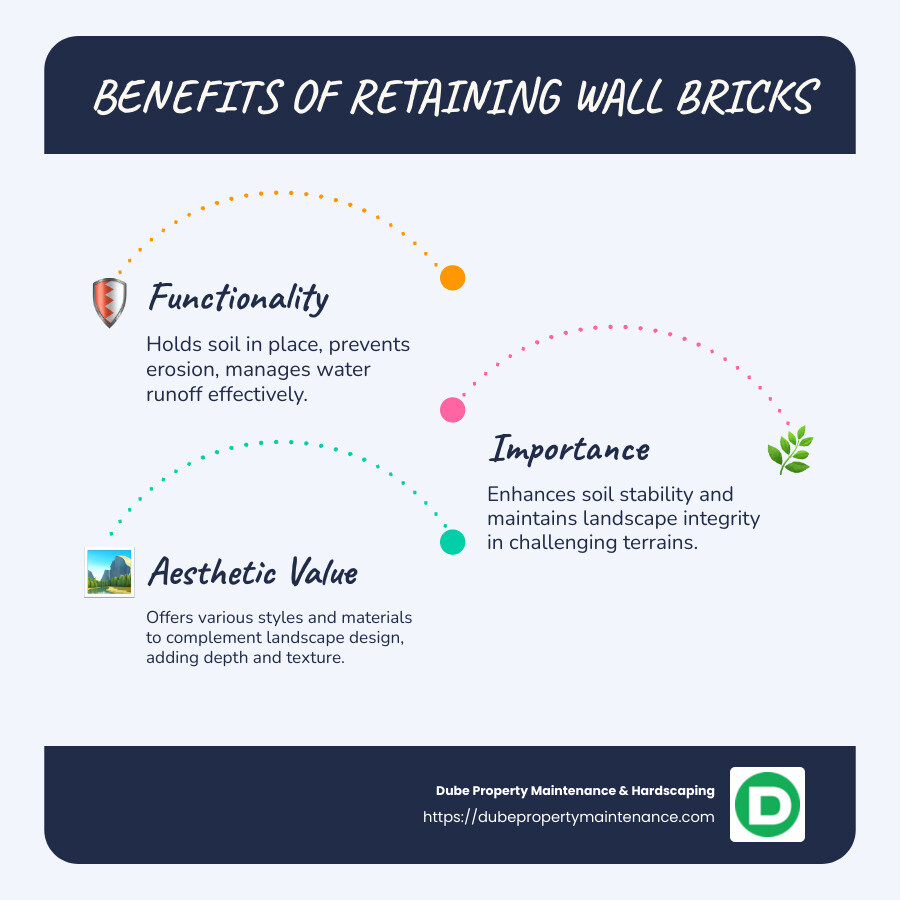
The primary function of a retaining wall is to hold back soil. Properly designed retaining walls prevent soil erosion and manage water runoff. This is particularly important in areas with heavy rainfall or on steep slopes. By keeping the soil in place, these walls protect your garden and home from the damaging effects of erosion.
Designing with retaining wall bricks allows you to create outdoor spaces that are both beautiful and functional. Whether you’re looking to add color and texture or build a terraced garden, the right design can improve the overall appeal and usability of your landscape.
When choosing the best retaining wall bricks, consider durability and functionality. F2 bricks are a top choice due to their frost-resistant quality. They are designed to withstand freezing temperatures without cracking, making them ideal for colder climates.
Perforated bricks are another excellent option. These bricks have holes that allow for better drainage, reducing the risk of water buildup behind the wall. This feature is crucial in preventing erosion and maintaining the wall’s structural integrity.
While it might be tempting to use regular bricks, they aren’t the best choice for retaining walls. Regular bricks lack the strength and durability needed to withstand the pressure from soil and water. Instead, consider using interlocking blocks. Their design allows them to fit together securely, providing stability and strength.
Concrete options are also available. Concrete blocks offer versatility and are available in various shapes and sizes. They provide a modern look and are easier to install than traditional bricks.
If you’re looking for a cost-effective solution, poured concrete is one of the cheapest options. It offers durability and longevity, making it a smart investment for long-term projects. However, pouring concrete requires precision and expertise, so hiring a professional is recommended.
For those seeking affordability with ease of installation, interlocking concrete blocks are an excellent choice. They are designed to be assembled quickly, reducing labor costs. These blocks come in various styles and colors, allowing for flexibility in design without breaking the bank.
In summary, choosing the right retaining wall bricks depends on your specific needs and budget. Whether you prioritize frost resistance, drainage, or cost-effectiveness, there are options available to meet your requirements.
At Dube Property Maintenance & Hardscaping, we pride ourselves on delivering high-quality solutions for all your outdoor needs. Our professional team is dedicated to changing your landscape with durable and aesthetically pleasing retaining walls. With years of experience and a commitment to excellence, we ensure that each project is custom to meet your specific requirements.
Whether you’re considering F2 bricks for their frost-resistant qualities or interlocking concrete blocks for cost-effectiveness, we have the expertise to guide you in selecting the best materials for your retaining wall. Our comprehensive approach not only improves the beauty of your outdoor space but also ensures long-lasting functionality.
Choosing the right company for your retaining wall installation is crucial. With our fully bonded and insured services, you can have peace of mind knowing that your project is in capable hands. We work closely with you from design to completion, ensuring that every detail aligns with your vision and needs.
Explore our range of services and see how we can help you create the perfect retaining wall for your property. Visit our Retaining Wall Services page today to learn more and get started on your next project.