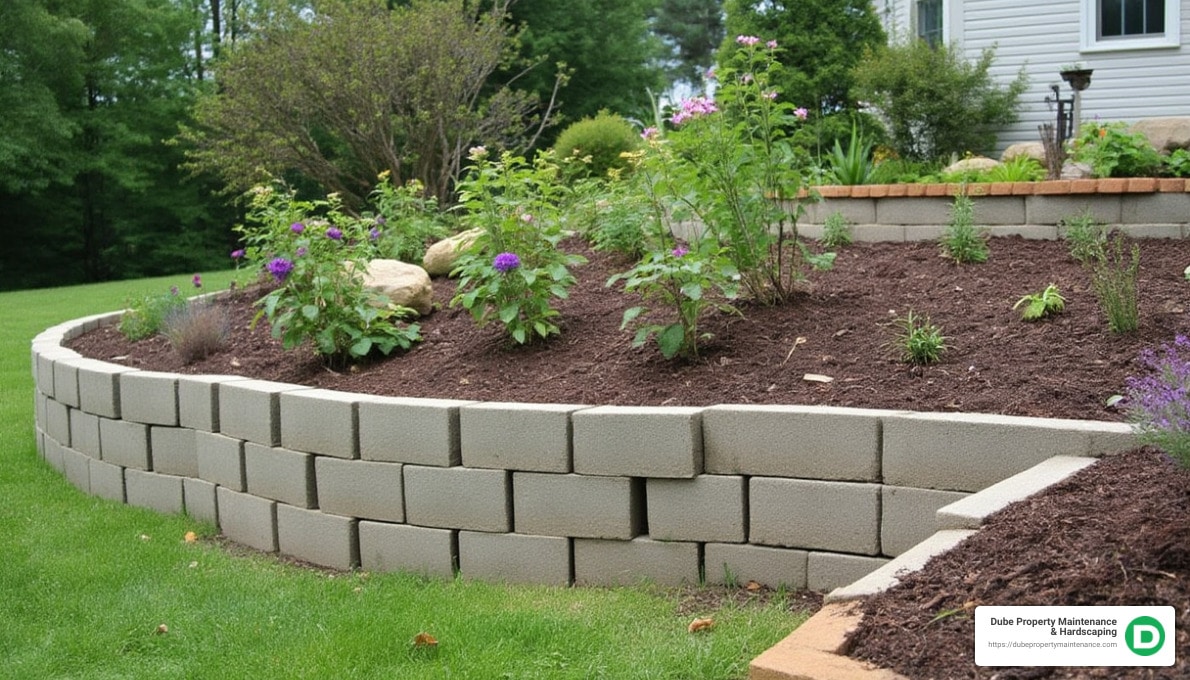

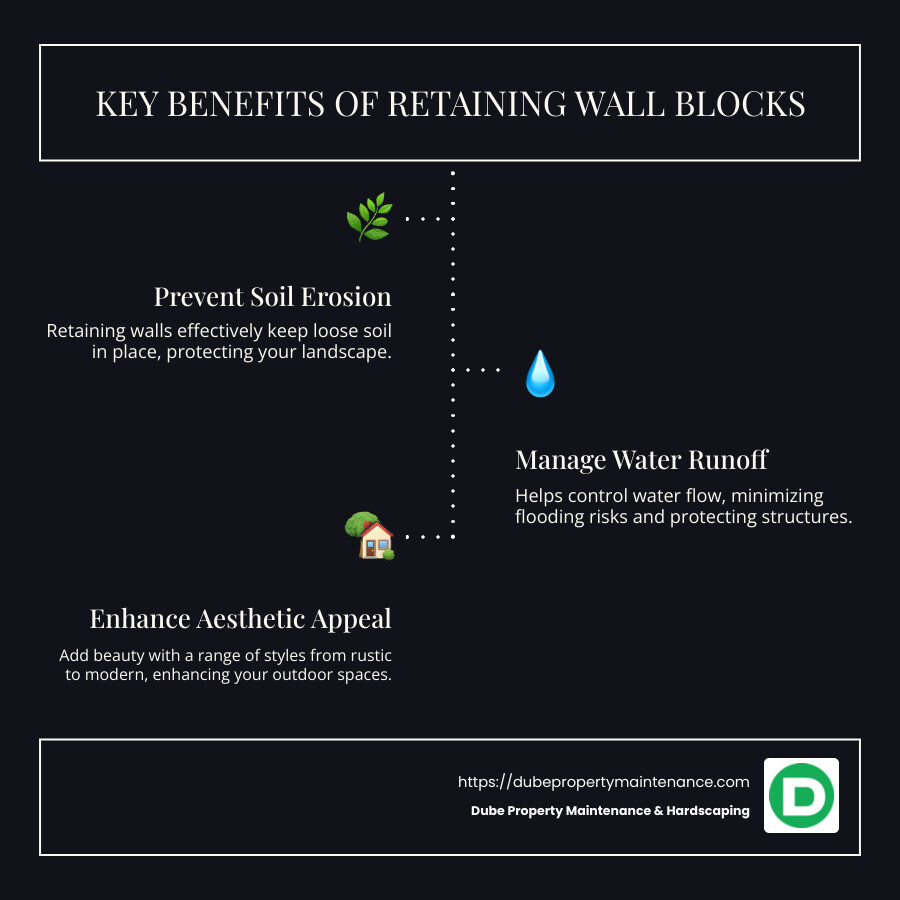
Retaining wall blocks are not just about holding back soil; they are a powerful way to transform outdoor spaces into beautiful and functional landscapes. These blocks are essential for managing water runoff, preventing soil erosion, and defining different garden areas, making them a crucial asset for both homeowners and business owners.
With a variety of materials like concrete, stone, and timber, retaining wall blocks offer endless design possibilities. They can be custom to suit any property’s needs, providing both strength and beauty. Whether you’re looking to create neat garden tiers or need sturdy support for a commercial plot, these blocks are your go-to solution.
Choosing the right materials and planning for proper installation are key to ensuring that your retaining wall performs well and lasts long. It’s often wise to consult professionals to avoid common pitfalls and maximize both the wall’s functionality and aesthetic appeal.
Related content about retaining wall blocks:
– interlocking retaining wall blocks
– how to build a landscape block retaining wall
– landscape retaining wall ideas
Retaining wall blocks are available in a variety of materials and styles, each offering unique features and benefits. Understanding these differences can help you choose the right type for your project.
Concrete blocks are a popular choice for retaining wall blocks due to their durability and versatility. These blocks are known for their ability to withstand harsh weather conditions and resist wear over time. Concrete blocks come in various shapes, sizes, and finishes, allowing for a wide range of design possibilities.
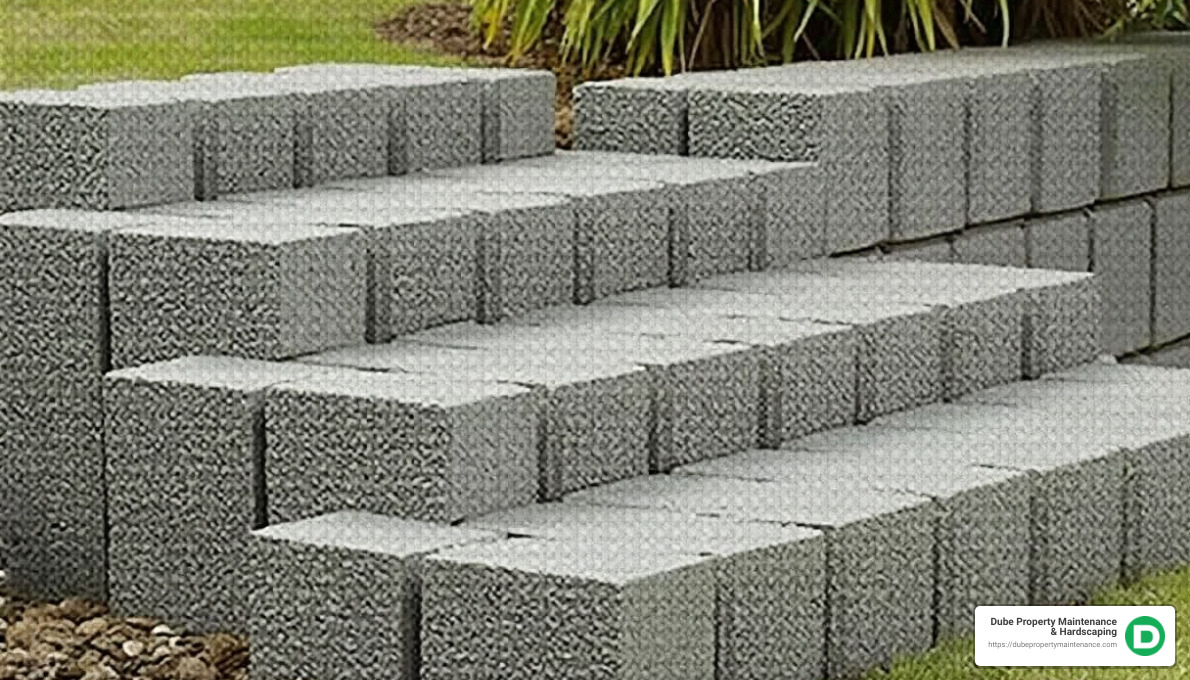
For those seeking an neat and natural look, stone veneer blocks offer a perfect solution. These blocks provide the aesthetic appeal of natural stone without the hefty price tag.
Poured concrete is another excellent option for retaining walls, especially for those looking for strength and customizability. This method allows for the creation of seamless walls that can be shaped to fit any design.
Each type of retaining wall block has its own set of advantages, making it essential to consider your specific needs and preferences when choosing the right material. Whether you prioritize durability, aesthetic appeal, or customization, there is a retaining wall block to suit your project.
Understanding the costs associated with retaining wall blocks is crucial for effective planning and budgeting. Let’s break down the key factors that influence the price and explore the cost efficiency of different installation methods.
The cost of retaining wall blocks varies based on materials, design, and installation methods. On average, you might spend between $14 and $46 per square foot for a retaining wall. This range accounts for both materials and installation.
Materials: The type of material you choose greatly affects the cost. Concrete blocks are generally more affordable than natural stone veneer blocks. Concrete offers durability and versatility, while stone veneer provides a natural look at a higher price point.
Installation: Labor costs can significantly increase the total expense. Professional installation ensures quality and longevity, but it comes at a higher price. Doing it yourself can save money but requires time and effort.

When it comes to building a retaining wall, deciding between DIY and professional installation is a big consideration. Each option has its own set of cost benefits and time investments.
DIY Installation
Professional Installation
In summary, while DIY installation can offer significant cost savings, professional installation provides peace of mind and efficiency. Carefully evaluate your budget and time availability when choosing the best approach for your retaining wall project.
When installing retaining wall blocks, preparation and the right techniques are key for a successful project. Let’s explore how you can choose the right blocks and gather essential tools and materials.
Selecting the appropriate blocks is crucial for the stability and appearance of your wall. Here are some factors to consider:
When choosing blocks, consider the wall’s height and purpose. For walls up to 36 inches high, interlocking blocks are often recommended for their ease of use and added stability.
Having the right tools and materials on hand can make the installation process smooth and efficient. Here’s what you’ll need:
Safety Tips: Always wear gloves and safety goggles to protect your hands and eyes. If handling heavy blocks, consider wearing a back support belt and enlisting help to avoid injury.
By carefully selecting your blocks and gathering the necessary tools and materials, you’ll be well-prepared to tackle your retaining wall project.
Retaining wall blocks are more than just functional elements; they can transform your outdoor space into a beautiful and practical area. Let’s explore some creative ways to use these blocks in your landscaping projects.
Terraced gardens are a fantastic way to control erosion on sloped landscapes while adding visual interest. By using retaining wall blocks, you can create multiple levels in your garden, which not only helps manage water runoff but also maximizes planting space.
Functionality and Aesthetics: These terraces can be designed to blend seamlessly with your home’s architecture and natural surroundings, providing both a functional and visually appealing solution. Imagine a hillside transformed into a series of lush, colorful garden beds. This setup not only improves the landscape’s beauty but also makes the area more usable.
Innovation in Design: Consider using different types of blocks for each terrace level to add texture and color variation. Mixing materials like concrete blocks and stone veneer can create a stunning visual effect while maintaining the garden’s structural integrity.
Seating walls offer a dual function by providing both structural support and a comfortable place to sit. These walls can be integrated into patios, around fire pits, or along pathways, creating inviting entertainment areas in your backyard.
Dual Functionality: Seating walls are perfect for hosting gatherings. They define spaces while offering guests a place to relax and enjoy the surroundings. By incorporating built-in seating into your landscape, you can maximize space and improve the area’s usability.
Entertainment Areas: Imagine a cozy fire pit surrounded by a curved seating wall made of neat stone veneer blocks. This setup not only serves as a focal point but also encourages social interaction and relaxation. The use of retaining wall blocks in this way adds both style and comfort to your outdoor living space.
Visual Interest: Adding decorative elements like lighting or planters to these walls can further improve their aesthetic appeal. Use different block colors or textures to create patterns or designs that reflect your personal style.
Incorporating retaining wall blocks into your landscape design can lift the functionality and beauty of your outdoor areas. Whether you’re building terraced gardens or seating walls, these blocks offer endless possibilities for creativity and innovation.
Proper maintenance is key to ensuring the longevity and stability of your retaining wall blocks. With the right care, these structures can last for decades, providing both beauty and functionality to your outdoor space.
Efflorescence is a common issue where a white, powdery substance appears on the surface of masonry. This happens when water-soluble salts migrate to the surface. To prevent this, use cleaners specifically designed for efflorescence, such as the Efflorescence Cleaner available here.
Sealers are also effective in preventing efflorescence by creating a barrier that stops moisture from penetrating the blocks. Consider using a high-quality sealer like the HG Paver Seal, which is available in both 1-gallon and 5-gallon options. This product not only protects against moisture but also improves the color and appearance of the blocks.
Regular inspections are crucial to maintaining the structural integrity of your retaining wall. Conduct stability checks to ensure the wall remains secure and upright. Look for signs of movement or bulging, which could indicate underlying issues.
During these inspections, pay attention to drainage systems. Poor drainage can lead to water buildup behind the wall, causing pressure that may lead to shifting or collapse. Ensure that drainage pipes are clear and functioning properly.
Immediate Repairs are necessary if you notice any damage, such as cracks or loose blocks. Addressing these issues quickly can prevent more significant problems down the line. For minor repairs, you might only need basic tools and materials, but more severe damage may require professional assistance.
By following these maintenance tips, you can extend the lifespan of your retaining wall blocks, ensuring they remain a beautiful and functional part of your landscape for years to come.
Enhancing your outdoor space with retaining wall blocks is more than just a structural upgrade—it’s an investment in beauty and functionality. At Dube Property Maintenance & Hardscaping, we understand the importance of creating a landscape that not only meets your needs but also improves your property’s overall appeal.
Our services are comprehensive, ranging from design and planning to installation and maintenance. Whether you’re envisioning a terraced garden or a stylish seating wall, our expertise ensures that your project is executed with precision and care. With over 30 years of experience, our professional team is dedicated to delivering high-quality solutions custom to your unique landscape.
We pride ourselves on our meticulous approach, which includes selecting the right materials and ensuring proper installation techniques. Our commitment to quality and customer satisfaction sets us apart as leaders in the field of hardscaping and landscape installations.
Ready to transform your outdoor space? Contact Dube Property Maintenance & Hardscaping today to discuss your project. Our team is eager to help you bring your vision to life, creating a landscape that you’ll enjoy for years to come.