
A permeable driveway is more than just a driveway; it’s a sustainable solution for handling stormwater effectively. If you’ve ever wondered how to prevent puddles and reduce runoff while keeping your property looking good, a permeable driveway could be the answer.
Quick facts about permeable driveways:
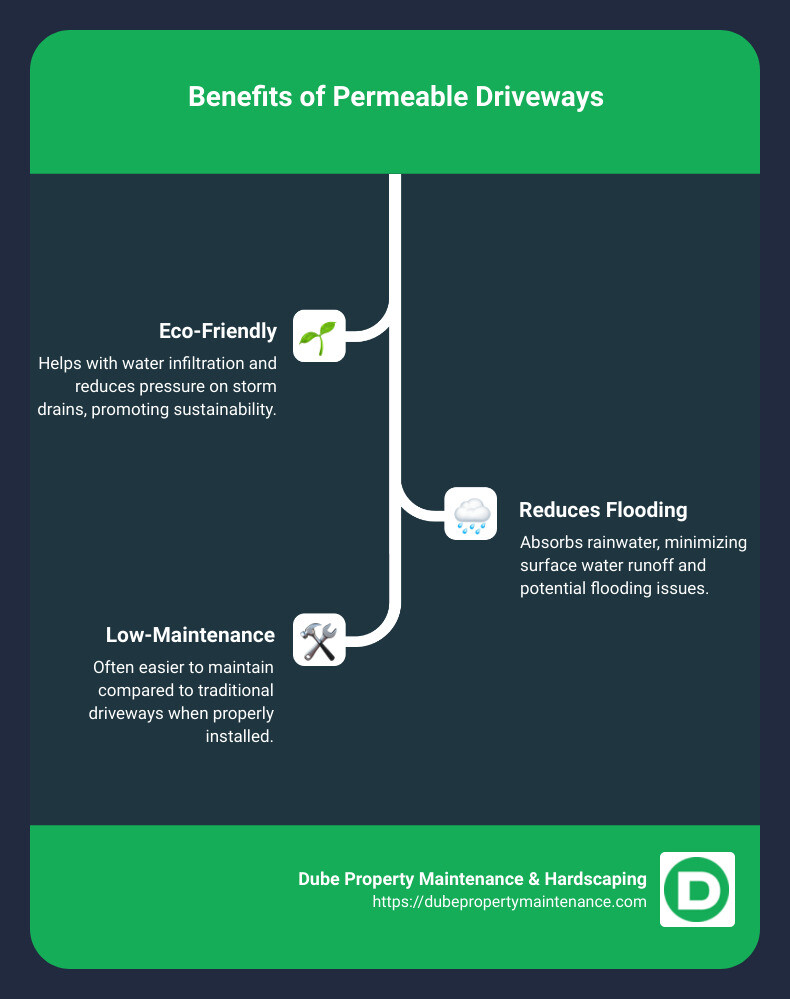
– Eco-friendly: Helps with water infiltration and reduces pressure on storm drains.
– Reduces flooding: By absorbing rainwater, it minimizes surface water runoff.
– Low-maintenance: Often easier to maintain compared to traditional driveways, if properly installed.
Permeable driveways are crucial for the environment and for your home. Regular driveways made of asphalt or concrete let water run off, which can flood storm drains and pollute local waterways with oil and other contaminants. In contrast, permeable driveways allow water to pass through, which reduces flooding, replenishes groundwater, and cuts down on harmful runoff.
Upgrading to a permeable driveway offers both aesthetic and practical benefits, making it a win-win for homeowners and the planet.
A permeable driveway is a type of surface designed to allow water to pass through it, rather than running off into storm drains. This helps manage stormwater and reduce flooding. It’s a smart choice for those looking to make an environmentally friendly upgrade to their home.
Permeability refers to the ability of a material to let water flow through it. In the context of driveways, permeable materials include concrete pavers, plastic grids, and pervious concrete. These materials have gaps or porous structures that let rainwater seep through, instead of pooling on the surface.
Porosity is the measure of how much of a material is made up of empty spaces. Highly porous materials can store and filter more water. For example, pervious concrete has a network of tiny holes that allow water to pass through. This makes it ideal for areas that experience heavy rainfall.
Using porous materials in your driveway has several benefits:
– Reduces runoff: Water seeps into the ground, reducing the load on storm drains.
– Filters pollutants: Contaminants like oil and heavy metals get trapped in the material, preventing them from reaching waterways.
– Recharges groundwater: Water infiltrates the soil, replenishing underground water supplies.
In summary, a permeable driveway combines permeability and porosity to create a sustainable, eco-friendly solution for managing stormwater. This not only helps the environment but also enhances the functionality and aesthetics of your home.

Next, let’s explore the different types of permeable driveways available and what makes each one unique.
When it comes to installing a permeable driveway, you have several options to choose from. Each type has its own unique features and benefits. Let’s dive into the details of the most popular types: Concrete Pavers, Plastic Grids, Pervious Concrete, and Grass Pavement.
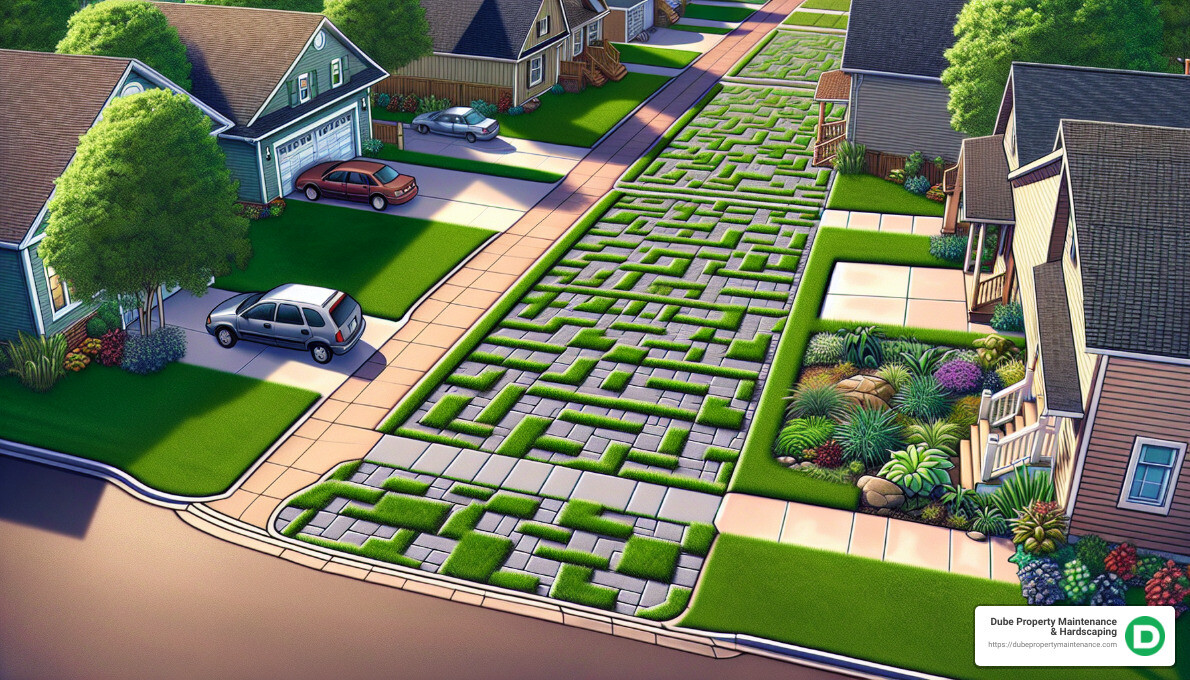
Concrete pavers are a popular choice due to their versatility and durability. These pavers are designed with gaps between them, allowing water to seep through and into the ground.
Plastic grids are an industrial-strength option that offers 100% permeability when installed correctly. These grids interlock and are placed on a sub-base of gravel.
Pervious concrete is a mix of stones and concrete that allows water to pass through it. Unlike traditional concrete, it does not require a sand or gravel sub-base.
Grass pavement involves using plastic grids to stabilize the ground, allowing grass to grow through the gaps.
Each type of permeable driveway has its own set of advantages and maintenance needs. The best choice will depend on your specific requirements, aesthetic preferences, and budget.
Next, let’s delve into the installation process of a permeable driveway to understand how these materials are put into place.
The first step in installing a permeable driveway is thorough site preparation. This involves clearing the area of any existing vegetation, debris, and old pavement. It’s crucial to ensure the ground is level and free from any large rocks or roots that could interfere with the installation.
The sub-base is essential for the stability and drainage of your permeable driveway. It acts as a foundation and helps in managing stormwater.
Once the sub-base is in place, it’s time to lay the permeable materials. This step varies depending on the type of permeable driveway you choose.
The final steps ensure your permeable driveway is functional and aesthetically pleasing.
By following these steps, you can ensure a successful installation of a permeable driveway that not only looks great but also helps manage stormwater effectively.
One of the biggest benefits of a permeable driveway is its ability to manage stormwater. Traditional driveways can cause water to run off into storm drains, which can lead to flooding and erosion. With a permeable driveway, water seeps through the surface and into the ground, mimicking natural absorption.
“In a rainstorm, water washes off regular paving and flows untreated into storm drains,” explains Carrie12345. “Permeable paving lets water flow through, preventing puddles and reducing runoff.”
Reduced runoff is another key advantage. When water runs off traditional driveways, it can carry pollutants like oil and chemicals into local waterways. This can harm fish and other wildlife. Permeable driveways filter the water as it passes through, trapping pollutants and keeping them out of the ecosystem.
Permeable driveways are eco-friendly. They help replenish groundwater and reduce the urban heat island effect. Unlike traditional asphalt, which absorbs and retains heat, permeable materials allow heat to dissipate. This can lower the temperature around your home and improve air quality.
According to research, “permeable pavement exhibits minimal thermal impact on the near-surface air due to its capacity for heat exchange.”
Permeable driveways aren’t just functional; they’re also beautiful. You can choose from a variety of materials like concrete pavers, plastic grids, and even grass pavement. This allows for a customized look that complements your home’s style. Whether you prefer a classic or modern design, there’s a permeable option for you.
“Driveway pavers offer a wide range of design possibilities, allowing you to achieve a unique and personalized look,” notes Dube Property Maintenance & Hardscaping.
By installing a permeable driveway, you’re not only improving the look of your home but also contributing to a healthier environment.
When considering a permeable driveway, it’s important to understand the costs involved. This section will break down the initial cost, maintenance, longevity, and return on investment (ROI) of permeable driveways.
The initial cost of a permeable driveway can vary widely based on the materials used and the size of the driveway. Generally, permeable driveways are about one-third more expensive than traditional asphalt or concrete driveways.
While the initial cost is higher, many homeowners find the long-term benefits worth the investment.
Maintenance is a crucial factor for permeable driveways. Regular upkeep ensures that the driveway remains effective in managing stormwater.
Despite these maintenance needs, permeable driveways can be easier to maintain than traditional options in the long run.
The lifespan of a permeable driveway depends on the material and proper maintenance.
Proper installation and regular maintenance can significantly extend the life of your permeable driveway.
While the upfront cost of permeable driveways is higher, the ROI can be substantial due to various factors:
In summary, while the initial investment for a permeable driveway may be higher, the long-term benefits and cost savings make it a worthwhile choice for many homeowners. For more detailed information, you can explore our .
A key advantage of a permeable driveway is its ability to filter water. Unlike traditional asphalt or concrete driveways, which funnel water into storm drains, permeable driveways allow water to seep through the surface. This process removes pollutants like oil, heavy metals, and other contaminants before they reach local waterways. According to research, permeable pavers can effectively reduce suspended solids, Biochemical Oxygen Demand (BOD), and ammonium concentrations in groundwater.
Permeable driveways also help in reducing erosion. Traditional driveways can cause water runoff that leads to erosion and siltation in nearby water bodies. Permeable surfaces, however, let water infiltrate into the soil, mimicking natural absorption. This reduces the volume and speed of runoff, minimizing erosion and maintaining the stability of surrounding landscapes.
Another significant benefit is the reduction of heat, commonly known as the heat island effect. Traditional asphalt and concrete surfaces absorb and retain heat, raising temperatures in urban areas. Permeable driveways, particularly those made with high albedo materials, reflect more sunlight and allow for heat exchange through the water that infiltrates the surface. This can lead to cooler surface temperatures and improved air quality, making your property more comfortable during hot weather.
Groundwater recharge is a crucial environmental benefit of permeable driveways. By allowing water to seep through the surface and into the ground, these driveways help replenish local aquifers. This is especially important in urban areas where natural infiltration is often disrupted by impervious surfaces. According to Dube Property Maintenance & Hardscaping, permeable pavers can contribute to maintaining base flows in rivers and streams, supporting local ecosystems.
In conclusion, a permeable driveway offers numerous advantages over traditional options, including improved water filtration, reduced erosion, heat reduction, and enhanced groundwater recharge. These benefits not only make your property more eco-friendly but also contribute to the overall health of your local environment.
Next, let’s explore some of the common challenges and solutions associated with permeable driveways.
When considering a permeable driveway, it’s important to be aware of some common challenges and solutions. Understanding these can help you maintain your driveway and ensure it functions effectively for years to come.
Permeable driveways require regular maintenance to keep the pores clear and functional. Over time, fine aggregates can clog the pores, reducing their permeability.
Solution: Regular cleaning is essential. Use a vacuum or suction excavator to remove debris and keep the pores open. This can be done annually or as needed based on your specific environment.
Sediment buildup is another common issue. It can occur from nearby construction, landscaping, or natural erosion, leading to reduced water infiltration.
Solution: Installing a sediment control system, like a silt fence, can help minimize sediment entering your driveway. Additionally, periodic power washing can help remove any buildup that does occur.
Proper installation is crucial for the effectiveness of a permeable driveway. Incorrect grading or insufficient base preparation can lead to pooling water and other issues.
Solution: Ensure your contractor follows the manufacturer’s installation guidelines meticulously. For example, as seen in a Reddit case study, improper grading led to water pooling, which required reworking the area. Always verify the contractor’s experience with permeable installations and ask for references.
By addressing these common challenges with proactive solutions, you can enjoy the many benefits of a permeable driveway without the headaches.
Next, let’s dive into some helpful maintenance tips to keep your permeable driveway in top shape.
Maintaining a permeable driveway doesn’t have to be complicated. Here are some simple tips to ensure your driveway remains effective and attractive.
Regular cleaning is essential to keep your permeable driveway functioning well. Dirt, leaves, and debris can clog the pores, reducing permeability.
Sediment buildup can block the gaps in your permeable driveway, making it less effective.
Using your permeable driveway correctly can extend its life and maintain its permeability.
By following these maintenance tips, you can keep your permeable driveway looking great and performing well for years to come. Next, let’s explore the services offered by Dube Property Maintenance & Hardscaping to help you with your permeable driveway needs.
At Dube Property Maintenance & Hardscaping, we specialize in permeable driveway installation. Our team ensures a smooth process from start to finish, focusing on proper site preparation and material selection. We use top-quality materials like permeable pavers and plastic grids that allow water to seep through, reducing runoff and promoting groundwater recharge. Our experienced professionals ensure that your driveway is not only functional but also aesthetically pleasing.
“Our asphalt driveway is coming up on end-of-life, around 20 years… I was researching budget-friendly alternatives that are also more ecologically friendly.” – A satisfied customer who switched to a permeable driveway.
Beyond driveways, we offer comprehensive landscape installations. Whether you’re looking to create a lush garden, a functional patio, or a durable walkway, our team has the skills and experience to bring your vision to life. We use sustainable materials and techniques to ensure your landscape is both beautiful and environmentally friendly.
Winter can be harsh, but our snow management services ensure your property remains safe and accessible. We use eco-friendly practices to manage snow and ice, reducing the impact on the environment. Our services include snow plowing, salting, and de-icing, tailored to meet the needs of both residential and commercial properties.
“Eco-Friendly Snow Management: Sustainable Practices for Businesses” – Learn more about our commitment to sustainable snow management practices.
By choosing Dube Property Maintenance & Hardscaping, you can be confident in receiving top-notch service for all your permeable driveway and landscape needs. Next, let’s wrap up with a summary of the environmental benefits of permeable driveways and how they can enhance your property.
Permeable driveways offer a sustainable and effective solution to managing stormwater runoff and enhancing the environmental footprint of your property. By allowing water to seep through the surface, these driveways help reduce flooding, minimize erosion, and filter out pollutants before they reach our waterways.
In this guide, we’ve explored the various aspects of permeable driveways, from their definition and types to the installation process and benefits. Permeable driveways are not only environmentally friendly but also add a unique aesthetic appeal to your home. They help in:
The environmental benefits of permeable driveways cannot be overstated. They contribute to groundwater recharge, reduce the urban heat island effect, and help maintain a healthy ecosystem by filtering out contaminants. By opting for a permeable driveway, you are making a positive impact on the environment while also enjoying the practical benefits of a durable and attractive driveway.
Ready to make the switch to a permeable driveway? At Dube Property Maintenance & Hardscaping, we specialize in the installation of permeable driveways and other landscape solutions that are both beautiful and sustainable.
Contact us today to get a free estimate and learn more about how we can help you enhance your property while protecting the environment.
By choosing Dube Property Maintenance & Hardscaping, you’re not just investing in your property, but also in a greener future. Let’s work together to create a more sustainable world, one driveway at a time.
