
Paver walkway and steps bring elegance and functionality to any outdoor space, enhancing both beauty and accessibility. If you’re looking to transform your home or business exterior, there are a few key points you should know:
Creating a beautiful outdoor area isn’t just about looks—it’s about making your environment more practical. Paver walkways guide visitors safely through your landscape, while steps offer easy access across different elevations. Whether you’re enhancing a garden path or constructing grand entry steps, you can blend different styles to emphasize your property’s unique character.
Investing in paver walkway and steps can significantly boost your home’s curb appeal and increase property value. Plus, with the right planning and installation, these improvements also improve safety and accessibility for everyone.

Terms related to paver walkway and steps:
– hardscape walkways
– outdoor step designs
– landscape around steps
Planning your paver walkway and steps involves several key decisions. From evaluating your site to choosing the perfect materials, each step shapes the final look and functionality.
Selecting the right materials is crucial for both aesthetics and durability. Here are some popular options:
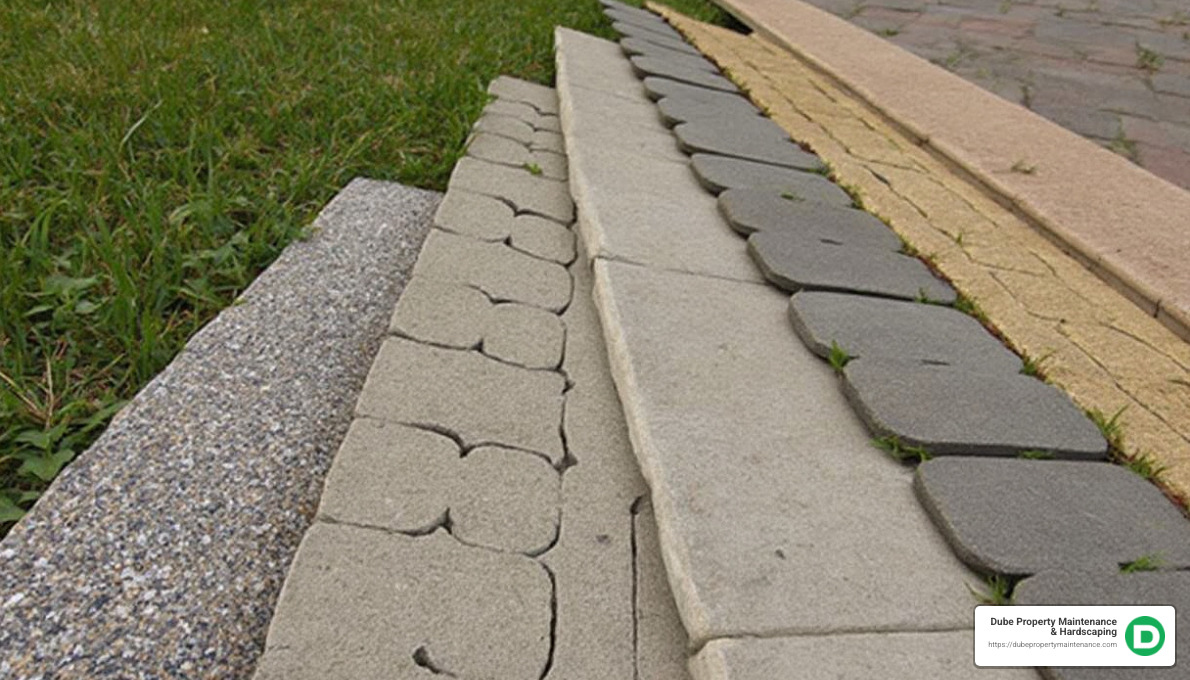
When designing your paver walkway and steps, consider both aesthetics and functionality. Here are some tips to guide your design choices:
Evaluating your site is the first step in planning. Assess the terrain, existing structures, and intended use of the walkway and steps. This will help determine the best materials and design choices for your project.
By focusing on these elements, you can create a paver walkway and steps that are not only beautiful but also functional and accessible.
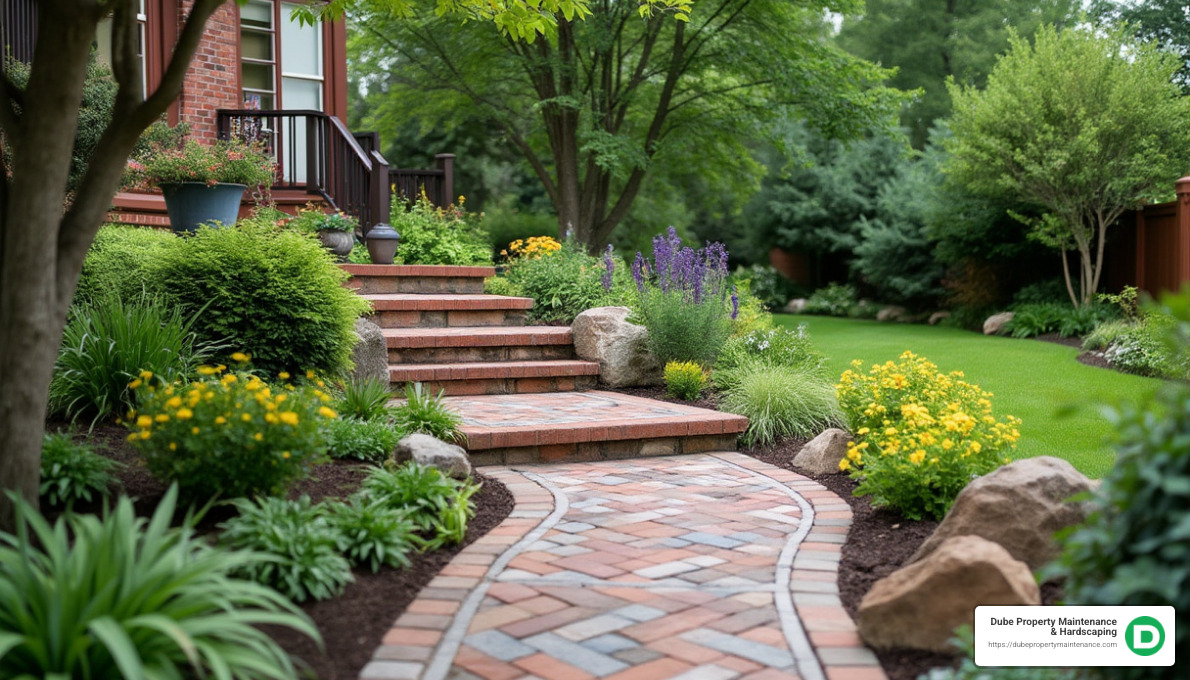
Next, we’ll dig into building a strong foundation, ensuring your walkway and steps stand the test of time.
Creating a solid foundation is crucial for the longevity and stability of your paver walkway and steps. Let’s explore the essentials of building a strong base and ensuring proper drainage.
Excavation
Start by excavating the area where your walkway and steps will be installed. This involves removing grass, roots, and debris. The depth of excavation depends on the use of the walkway. For a typical paver walkway, dig about 4 to 6 inches deep. This depth allows enough room for the base materials, ensuring stability.
Base Materials
A well-constructed base is vital. Begin with a layer of coarse gravel, such as #5 stone gravel. This material provides excellent drainage and prevents water from pooling. After laying the gravel, compact it thoroughly using a tamper. A well-compacted base prevents the pavers from shifting over time.
On top of the gravel, add a finer material, like ⅜-inch stone. This layer helps create a smooth surface for the pavers. Again, compact this layer to ensure everything is tightly packed and level.
Geotextile Fabric
Consider using geotextile fabric between the soil and gravel layers. This fabric acts as a barrier, preventing the base materials from mixing with the soil below. It also helps control weed growth, adding to the walkway’s longevity.
Slope Considerations
Proper drainage is essential to prevent water accumulation, which can damage your paver walkway and steps. Ensure that the base has a slight slope, typically about 1 inch per 8 feet. This slope directs water away from the walkway, preventing erosion and waterlogging.
Permeable Options
For improved drainage, consider using permeable pavers. These allow water to seep through the surface, reducing runoff and helping maintain the integrity of the walkway. Permeable pavers are especially beneficial in areas prone to heavy rainfall.
By focusing on these foundational elements—excavation, base materials, compaction, and drainage—you’ll ensure that your paver walkway and steps are built to last. This strong foundation will support the beauty and functionality of your outdoor space for years to come.
Next, we’ll guide you through the step-by-step installation process, from laying pavers to constructing sturdy steps.
Once you have a strong foundation, it’s time to install your paver walkway and steps. Following precise steps ensures a durable and attractive finish.
Alignment and Spacing
Begin by laying the pavers in your chosen pattern. Popular options include running bond and herringbone. Use a tape measure and line level to ensure the pavers are aligned correctly. Proper alignment not only looks good but also helps with the stability of the walkway.
Maintain consistent spacing between the pavers. Use spacers to achieve uniform gaps, which will later be filled with joint sand. This spacing allows for slight movement and prevents pavers from cracking.
Leveling
As you lay each paver, check for levelness using a 2-ft level. If a paver sits too high or too low, adjust the sand base beneath it. This step is crucial for a smooth walking surface. Take your time here; a well-leveled walkway is essential for both aesthetics and safety.
Step Risers and Treads
Steps require careful planning and construction. Start with the risers, which are the vertical parts of the steps. Ensure they are evenly spaced and securely fitted. The height of each riser should be consistent for safety and ease of use.
Next, install the treads, the horizontal surfaces you step on. Make sure they are level and securely placed on the risers. Use a rubber mallet to gently tap them into position, ensuring a snug fit.
Secure Fitting
Each step must be securely fitted to prevent movement. Use a mason’s chisel and drilling hammer if you need to cut pavers to fit your design. Precision is key—accurate cuts will make your steps look professional and polished.
After laying the pavers and constructing the steps, fill the joints with polymeric sand. Sweep the sand into the gaps and compact it to lock the pavers in place. This step is vital for preventing weed growth and keeping the pavers stable.
With the pavers laid and steps constructed, your walkway is nearly complete. In the next section, we’ll cover finishing touches and maintenance tips to keep your paver walkway and steps looking great for years to come.
Once your paver walkway and steps are installed, focus on finishing touches and maintenance. These steps will improve durability and keep your walkway looking pristine.
Sealing
Applying a sealer is crucial to protect your pavers from stains, weathering, and fading. Sealers create a barrier that repels water, oil, and dirt. Choose a high-quality, penetrating sealer for the best results. Remember to reapply the sealer every 2-3 years to maintain its effectiveness.
After laying the pavers, fill the joints with polymeric sand. This special sand contains additives that harden when wet, locking the pavers in place and preventing weed growth. Sweep the sand into the joints and lightly mist with water to activate the binding agents. This process not only stabilizes the pavers but also improves the overall durability of your walkway.
Cleaning
Regular cleaning is vital for keeping your walkway looking its best. Use a broom to sweep away dirt and debris. For a deeper clean, use a garden hose or a pressure washer on a low setting. Avoid harsh chemicals that can damage the pavers or the environment.
Weed Prevention
To prevent weeds, regularly inspect the joints and remove any growth. The use of polymeric sand helps, but occasional maintenance is still necessary. If weeds do appear, remove them by hand or use a natural weed killer.
Repair
Over time, pavers may shift or crack. Address these issues promptly to maintain the integrity of your walkway. For minor adjustments, lift the affected paver, adjust the base material, and replace it. For cracked pavers, replace them with new ones to prevent further damage.
By following these tips, your paver walkway and steps will remain beautiful and functional for many years. Regular maintenance not only preserves the aesthetics but also extends the life of your investment. Next, we’ll explore practical considerations, including cost analysis and when to seek professional help.
When planning your paver walkway and steps, it’s crucial to weigh the practical aspects like cost, time, and whether to DIY or hire a professional. Let’s explore these considerations to help you make informed decisions.
Concrete Pavers
Concrete pavers are a popular choice for those on a budget. They’re affordable, durable, and come in various colors and shapes. According to research, the average cost for paver installation ranges from $1,300 to $1,700 for a 120 square foot area. However, prices can vary, and high-end designs may cost up to three times more.
Recycled Materials
Using recycled materials, like recycled brick pavers, is another cost-effective and eco-friendly option. They offer a rustic charm and can be a great fit for modern or industrial-themed spaces.
Complex Designs
If your project involves intricate patterns or designs, it might be best to hire a professional. Complex designs often require precise cutting and fitting, which can be challenging for a DIYer.
Heavy Materials
Handling heavy materials like natural stone pavers can be labor-intensive and may require specialized equipment. Professionals have the tools and expertise to manage these materials efficiently.
DIY Installation
If you’re considering a DIY approach, small, manufactured pavers are the easiest to handle. A straightforward pattern like a running bond can simplify the process. However, be prepared for a time investment, as DIY projects can take longer than expected.
Professional Installation
Hiring professionals ensures that your walkway is installed correctly and efficiently. They bring experience and specialized skills, ensuring a high-quality finish. Plus, professionals can save you time and potential headaches, especially with larger or more complicated projects.
In summary, consider your budget, skill level, and the complexity of your project when deciding between DIY and professional installation. By choosing the right materials and methods, you can create a beautiful and lasting paver walkway and steps that improve your outdoor space.
Next, we’ll conclude with how Dube Property Maintenance & Hardscaping can assist with your project.
Creating a beautiful and functional paver walkway and steps can transform your outdoor space, adding both value and curb appeal to your home. Whether you’re planning a DIY project or considering professional assistance, understanding the steps involved and the materials available is crucial.
At Dube Property Maintenance & Hardscaping, we specialize in crafting custom outdoor solutions custom to your needs. Our team of professionals is equipped to handle all aspects of the installation process, ensuring your project is completed efficiently and to the highest standards.
Consultation and Custom Solutions
We begin with a detailed consultation to understand your vision and requirements. Whether you desire a simple, classic look or a complex, modern design, our team is ready to bring your ideas to life. We offer a wide range of materials, from cost-effective concrete pavers to eco-friendly recycled options, ensuring we meet both your aesthetic and budgetary needs.
Professional Installation
Choosing professional installation means you benefit from our expertise and experience. We handle everything, from site evaluation and design to material selection and installation, so you can enjoy a seamless and stress-free process. Our commitment to quality craftsmanship ensures that your paver walkway and steps not only look great but also stand the test of time.
For more information on how we can help with your project, visit our walkway installation page. Here, you’ll find additional resources and examples of our work, showcasing the range of possibilities available for your outdoor space.
Ready to transform your outdoor area? Contact us today to schedule a consultation and explore the custom solutions we offer at Dube Property Maintenance & Hardscaping. Let us help you create the perfect paver walkway and steps that improve both the beauty and functionality of your home.
