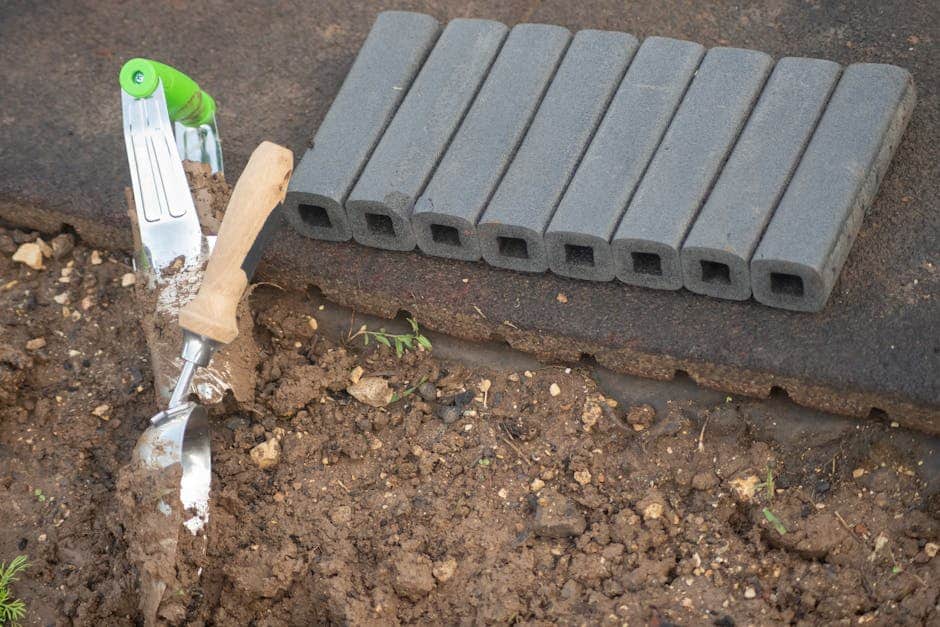

Paver patios offer a versatile and neat way to improve both the beauty and functionality of your outdoor space. Whether you’re looking to create a cozy backyard retreat or an impressive area for gatherings, paver patios are an ideal choice, bringing aesthetic appeal and practicality to your property.
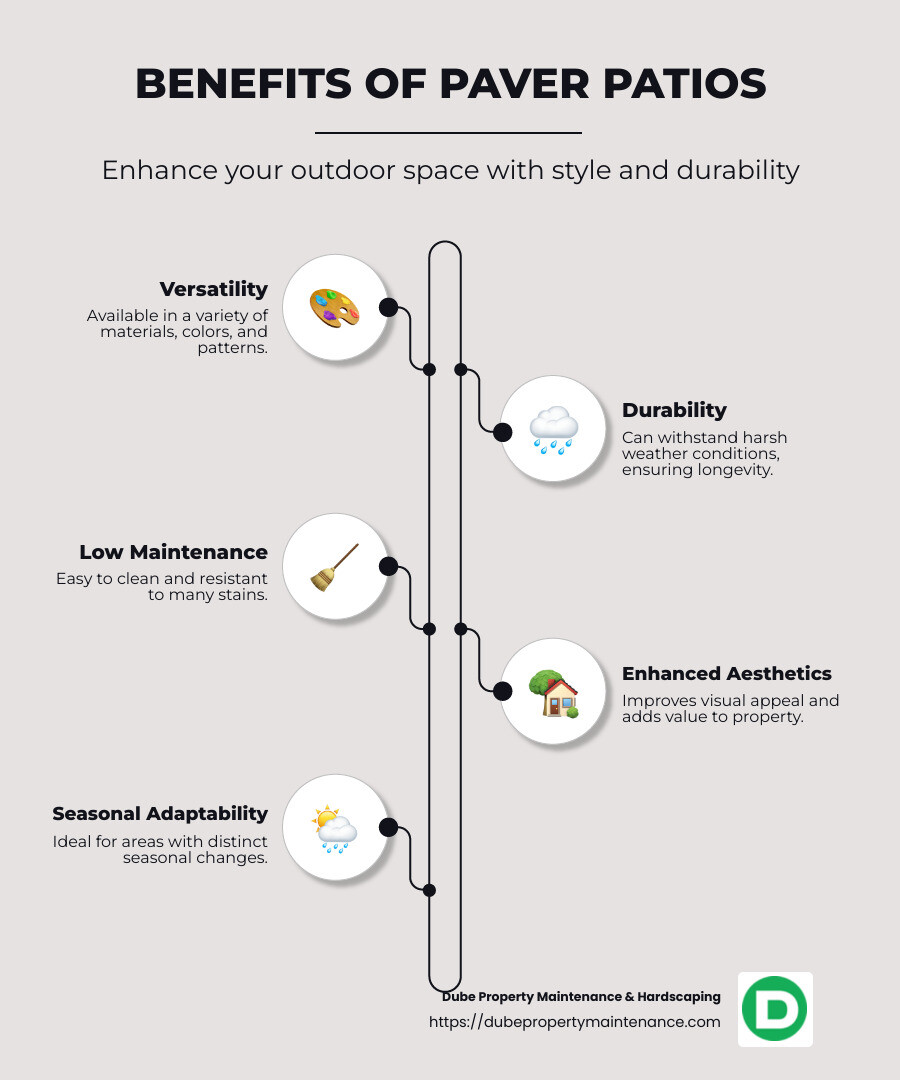
Here’s a quick glimpse of why paver patios are favored by homeowners:
Paver patios are not just a trend; they are an essential element in landscape design that marries visual appeal with everyday utility. Their ability to withstand the elements makes them a valuable addition for any homeowner, especially those in regions with distinct seasonal changes like Methuen, MA.
Choosing the right paver and design can turn your outdoor area into a stunning and durable fixture of your home, maximizing enjoyment and increasing property value. As you dive deeper into this guide, you’ll learn how to effectively plan, design, and maintain the perfect paver patio custom to your needs and style.
Terms related to paver patios:
– backyard patio contractors
– custom patio builders near me
– outdoor living spaces
Designing and installing a paver patio is an exciting project, but it requires careful planning to ensure success. Here’s how to get started:
First, determine the size of your patio. Consider how you’ll use the space. Will it be for lounging, dining, or perhaps both? Make sure there’s ample room for outdoor furniture and enough space to walk around comfortably.
For design, think about the pattern. Simple patterns like jack-on-jack or running bond are easier to install. If you want something more intricate, like a herringbone or pinwheel pattern, be prepared for more cutting and fitting.
Choose a location that complements your home’s architecture and offers good sight lines from windows and doors. This not only improves the view from inside but also integrates the patio into the overall landscape design.
Before you start digging, check local building codes and homeowners association regulations. Some areas require permits for patio installation. It’s crucial to comply with these rules to avoid future complications.
If you’re planning to place heavy items like a hot tub or large grill on your patio, opt for thicker pavers. They provide better support and minimize the risk of damage.
Always verify local building codes and homeowners association regulations before purchasing materials or starting construction. This will ensure your project meets all necessary standards and avoids any legal issues.
Planning your paver patio with these considerations in mind will help create a functional and beautiful outdoor space that meets all your needs and complies with local regulations.
Building a paver patio requires the right mix of tools and materials. Having everything ready before you start will make the process smoother and more enjoyable. Here’s what you’ll need:
For more advanced installations, consider using:
Having these tools and materials on hand will ensure you’re well-prepared to tackle your paver patio project. Whether you’re a DIY enthusiast or a seasoned pro, the right preparation sets the stage for a successful installation.

Next, we’ll dive into the actual process of building your paver patio, starting with excavation. Let’s get started!
Excavation is the first step in building your paver patio. This involves removing about 8-10 inches of soil to make room for the layers that will support your pavers. While this might sound daunting, using the right tools can make it manageable. A skid steer can be a lifesaver, especially for larger areas. If you don’t have access to one, renting a mini skid steer from a local store is a great alternative.
Once the soil is removed, it’s time to lay the base coat. This layer consists of 4-6 inches of 3/4-inch clean gravel. It’s crucial to ensure this layer is well-compacted to provide a solid foundation. Start by spreading 1-2 inches of gravel and compact it using a plate compactor. After compacting, lay down landscape fabric to minimize settling and prevent weed growth. Add the remaining gravel, compacting it again. Aim for a pitch of 1/8 inch per foot to ensure proper drainage.
The top coat is where precision becomes essential. Use 1/4-inch or 3/8-inch clean chip stone for this layer. To achieve a smooth, even surface, use steel pipes and a level to guide your screeding. Place the pipes at the desired height for your pavers, then add the chip stone and screed it to the pipes. Avoid walking on the screeded area to keep it undisturbed.
With your base prepared, it’s time to lay the pavers. Choose a pattern that suits your style, like a running bond or herringbone. As you lay each paver, use a rubber mallet to gently tap it into place. Having an extra set of hands can be incredibly helpful during this step.
For cutting pavers to fit your design, a wet saw with a diamond blade is ideal. If you don’t have one, an angle grinder can also work, as long as you keep the cutting surface wet to reduce dust. Remember to mark your cuts carefully and make multiple passes for clean edges.
Edging is crucial for maintaining the integrity of your patio. Consider using plastic edging secured with galvanized spikes or opt for a more permanent solution like concrete edging. This step helps keep the pavers in place and gives your patio a finished look.
The final touch is filling the joints with polymeric sand. This special sand locks the pavers in place and prevents weeds from growing between them. Start by sweeping the sand into the joints, then compact the area to settle the sand. Finally, lightly mist the patio with water to activate the binding agents in the sand. Repeat the process of adding and sweeping sand over the next week until the joints are completely filled.
Building a paver patio may seem complex, but breaking it down into these manageable steps makes it achievable. With careful planning and execution, you’ll create a durable and beautiful outdoor space.
Next, let’s explore some exciting design and pattern options to make your paver patio truly stand out!
Choosing the right design and pattern for your paver patio can transform your outdoor space into a stunning focal point. Let’s explore some popular patterns and advanced designs that can lift the look of your patio.
The jack-on-jack pattern, also known as a stack bond, is simple yet effective. It involves laying pavers in a grid where each paver is aligned with the one above and beside it. This creates a clean, modern look that’s perfect for minimalist designs. It’s also one of the easiest patterns to execute, making it a great choice for DIY projects.
A running bond pattern is a classic choice for paver patios. This design involves laying each row of pavers offset by half the width of a paver. It’s reminiscent of traditional brickwork and adds a timeless charm to any outdoor space. This pattern is not only visually appealing but also provides excellent stability.
For a more intricate look, consider the herringbone pattern. This design features pavers laid at a 45-degree angle to form a zigzag pattern. It’s ideal for high-traffic areas because the interlocking design adds strength and durability. While it requires more precision to lay, the end result is a strikingly beautiful patio.
The pinwheel pattern is both playful and sophisticated. It involves using smaller square pavers surrounded by larger rectangular ones to create a pinwheel effect. This pattern adds a unique texture and visual interest, making your patio a conversation starter.
If you’re looking for something truly unique, stamped pavers might be the way to go. These pavers are pressed with patterns that mimic natural stone, brick, or even wood. They offer the beauty of these materials without the high cost, and they can be customized to fit any design aesthetic.
For those who want to push the boundaries, advanced designs like mosaics or circular patterns can create a stunning visual impact. Mosaic patterns use small pavers to form intricate designs or images, adding a touch of artistry to your patio. Circular or radial patterns can define specific areas or create focal points, adding symmetry and elegance.
When selecting pavers, consider the shapes and sizes available. From traditional squares and rectangles to hexagons and irregular shapes, the options are vast. Mixing different shapes can add depth and dimension to your patio design.
Your choice of pattern and design should reflect your personal style and complement the surrounding landscape. Whether you opt for a simple jack-on-jack or a complex mosaic, the right pattern will make your paver patio a beautiful and functional space.
Next, we’ll explore how to improve your paver patio with outdoor furniture, lighting, and more to create the perfect outdoor retreat!
Once your paver patio is installed, it’s time to improve it with features that bring comfort, style, and functionality to your outdoor space. Let’s explore some ways to make your patio the perfect outdoor retreat.
Choosing the right outdoor furniture is crucial for creating a comfortable and inviting space. Consider materials that can withstand the elements, like teak, aluminum, or weather-resistant wicker. A cozy seating area with a mix of sofas, chairs, and tables can transform your patio into a living room under the sky. Don’t forget to add cushions and throws for a pop of color and extra comfort.
Incorporating garden beds or container plants can add life and color to your patio. Use a variety of plants to create a lush backdrop, or opt for low-maintenance succulents if you prefer a modern look. Container gardens are flexible and can be moved around to refresh your space. Check out our guide on How to Plant a Container Garden for tips on getting started.
Improve your patio with garden décor items like bird feeders, wind chimes, and fountains. These elements add personality and charm, turning your patio into a unique oasis. Choose items that complement your patio’s style and the surrounding landscape.
Using mulch can help define the edges of your patio and separate it from your lawn or garden beds. Mulch adds a neat appearance and helps retain moisture in the soil. For more tips on using mulch effectively, explore our guide on Landscaping With Mulch.
Extend the use of your patio into the evening with outdoor lighting. String lights, lanterns, and solar-powered path lights can create a warm and inviting ambiance. Consider installing spotlights to highlight specific features like a fire pit or a beautiful tree.
Stay cozy on cooler nights with outdoor heating options. A fire pit or outdoor fireplace can serve as a focal point and provide warmth. Ensure you’re using fire-resistant pavers for safety. Fire pit kits are available in various designs and colors, making them an easy addition to any patio. Explore our Fire Pit and Outdoor Fireplace Buying Guide for options.
Building a fire pit on your patio is a great way to enjoy evenings outside. Ensure your patio and fire pit pavers are fire-resistant to keep safety a priority. Fire pit kits simplify the process, offering all the materials and instructions needed for a DIY project.
By thoughtfully enhancing your paver patio with these elements, you can create a space that’s not only beautiful but also functional and enjoyable year-round. Next, we’ll dive into some frequently asked questions about paver patios to help you make informed decisions!
When considering the cost of installing a patio, many homeowners wonder whether concrete or paver patios are more cost-effective. Generally, a concrete patio is cheaper to install because it requires less time and labor. Paver patios, on the other hand, can be nearly double the cost per square foot compared to concrete. However, the upfront savings of concrete may come with trade-offs in terms of maintenance and aesthetics.

Absolutely! Paver patios offer several advantages that make them a popular choice for outdoor spaces. They provide a sturdy and durable surface that can last for decades with proper care. Pavers come in a wide variety of colors, textures, and styles, allowing you to create a patio that complements your home and landscape perfectly.
The ability to mix and match different paver types also means you can create unique patterns and contrast, adding visual interest to your patio. Plus, pavers are less prone to cracking compared to concrete, making them a great long-term investment for your home.
Choosing the best pavers for your patio depends on your preferences and needs. Concrete pavers are a cost-effective and versatile option, available in many colors and styles. They can mimic the look of natural stone, offering both beauty and durability. However, they may require sealing to prevent staining and color fading over time.
Natural stone pavers like granite or limestone offer exceptional aesthetics and are highly durable, but they come at a higher cost. Brick pavers provide a classic look and are easy to replace if damaged, while porcelain pavers offer a modern, sleek appearance with low maintenance needs.
Consider the style, durability, and upkeep when selecting pavers to ensure your patio meets your expectations and improves your outdoor space.
Next, we’ll wrap up with some final thoughts and why Dube Property Maintenance & Hardscaping is your go-to choice for high-quality paver patio solutions.
Designing and installing paver patios can transform your outdoor space into a beautiful, functional retreat. At Dube Property Maintenance & Hardscaping, we pride ourselves on delivering high-quality solutions that align with your vision and needs. Our professional team, based in Methuen, MA, is dedicated to crafting patios that not only improve the aesthetics of your home but also add value and longevity.
With years of experience in the industry, we understand the importance of using the right materials and techniques to ensure durability and satisfaction. Our comprehensive services cover everything from initial planning and design to the final installation, making the process seamless and stress-free for you.
Whether you’re looking to create a cozy spot for family gatherings or an neat space for entertaining guests, our team is here to bring your ideas to life. We invite you to explore the possibilities of paver patios with us and experience the difference that expert craftsmanship and personalized service can make.
For more information on how we can help you design and install the perfect paver patio, visit our Patio Installation Services page. Let’s work together to create an outdoor space that you’ll love for years to come.