Property Maintenance
& Hardscaping
Headquarters In
Methuen, MA

Mastering Your Outdoor Kitchen Design, A Step-by-Step Guide


Why an Outdoor Kitchen Planner Is Your Best First Step

An outdoor kitchen planner is a tool or professional service that helps you design, visualize, and organize your outdoor cooking space before construction begins. Whether using 3D software or working with a designer, a planner ensures your layout is efficient, your appliances fit, and your budget stays on track.

Quick answer for those researching outdoor kitchen planners:

  • What it does: Helps you create a detailed blueprint with precise measurements, appliance placement, and material selections
  • Key benefits: Prevents costly mistakes, ensures proper utility placement (gas, electric, water), and provides accurate cost estimates
  • Types available: Free online 3D design tools, manufacturer-specific configurators, or professional design services
  • Average cost: Digital tools are often free; professional planning services range from complimentary (when bundled with installation) to $1,000+ for standalone design work
  • Best for: Homeowners who want to visualize their space, ensure everything fits correctly, and avoid expensive construction errors

The outdoor kitchen market is growing because homeowners know what backyard enthusiasts have known for years: outdoor kitchens can boost your home’s value by 10-20% while changing how you entertain.

However, designing a custom outdoor kitchen means coordinating appliances, utilities, and materials. One wrong measurement can mean a $3,000 grill that doesn’t fit or gas lines installed in the wrong location. Proper planning saves you time, money, and frustration. Whether you’re dreaming of weekend barbecues or year-long outdoor dining in Methuen’s changing seasons, starting with a solid plan makes all the difference.

Infographic showing the outdoor kitchen planning process: Step 1 - Assess your space and budget; Step 2 - Choose your layout type (linear, L-shaped, U-shaped, island); Step 3 - Select durable materials and weather-resistant appliances; Step 4 - Use a planner tool or professional to create detailed 3D renderings; Step 5 - Finalize utility placement and get accurate quotes before construction - outdoor kitchen planner infographic

Basic outdoor kitchen planner glossary:

Step 1: The Foundation – Budgeting and Vision

Successful outdoor kitchens begin not with appliances, but with a clear vision and budget. This foundational step, guided by an outdoor kitchen planner, turns backyard daydreams into an actionable plan you can build.

person sketching outdoor kitchen ideas in a notebook with a backyard in the background - outdoor kitchen planner

Lifestyle Assessment: What’s Your Outdoor Cooking Style?

First, ask how you want to use the space. Your lifestyle will determine the design. Consider:

  • Your cooking style: Are you a weekend griller, or do you envision more elaborate meals with a smoker, pizza oven, or side burners?
  • Your entertainment needs: Will this be a quiet family retreat or a hub for hosting large neighborhood parties? The number of guests influences counter space and seating needs.
  • Your space itself: Evaluate your backyard. How much room do you have? Where does the sun hit at dinnertime? How will the kitchen integrate with existing patios, pools, or trees?

These practical realities help determine which layouts are possible and what features you’ll need.

Setting a Budget: The Brass Tacks of Your Dream Kitchen

Next, address the budget. An outdoor kitchen planner helps you understand what’s financially realistic before you get attached to features you can’t afford. Homeowners typically spend between $10,000 and $20,000, but projects can easily exceed $50,000 for high-end installations.

Please note: The following costs are based on national averages found online and do not represent a quote from Dube Property Maintenance & Hardscaping. Costs can range from $10,000 to over $50,000 depending on size, materials, and appliances.

Several factors drive these costs:

  • Size and complexity: A simple grilling station costs far less than a full kitchen with multiple zones.
  • Materials: Natural stone countertops and stainless steel cabinets are more expensive than other alternatives.
  • Appliances: Every grill, refrigerator, sink, or pizza oven adds to the total.
  • Utilities: Running new gas, water, and electrical lines can be a significant expense.
  • Labor: Installation costs vary based on design complexity.

A clear budget helps you prioritize what matters most. For inspiration, check out our Outdoor Kitchen Ideas. To understand the financial commitment, explore our guide on the Cost to Install an Outdoor Kitchen.

Step 2: Layout and Location Logistics

With a clear vision and budget, it’s time to decide where your kitchen will go and how it will be arranged. Using an outdoor kitchen planner at this stage helps you get the logistics right and avoid expensive do-overs.

3D rendering showing an L-shaped outdoor kitchen layout on a patio - outdoor kitchen planner

Site Selection: Finding the Perfect Spot

Choosing where to build is a balance of convenience, comfort, and safety.

  • Proximity and Utilities: Locating the kitchen near your back door is convenient, and building close to existing gas, water, and electrical hookups will significantly reduce costs.
  • Sun and Wind: Pay attention to how sun and wind affect the area during your typical entertaining hours. A covered structure like a pergola can provide shade and protection.
  • Safety: Most building codes in Methuen require at least 10 feet of clearance between heat sources (like a grill) and your home or other combustible structures.
  • Integration: Ensure the new kitchen flows naturally with your existing patio, pool, or other outdoor spaces.

For detailed guidance on planning your layout, check out our Outdoor Kitchen Plans.

Workflow Efficiency: The Kitchen Work Triangle Goes Outside

A key design principle is the work triangle, which connects your three most-used stations: the grill (cooking), prep counter (chopping/plating), and sink or refrigerator (cleanup/cold storage). An efficient layout ensures you can move smoothly between these zones without constantly walking back and forth. Also, plan for ample landing areas next to your grill and sink for hot pans and platters.

Common Outdoor Kitchen Layouts

There’s a layout for nearly any backyard. An outdoor kitchen planner can help you choose the best one:

  • Linear Layout: A straightforward, single-wall design perfect for smaller spaces.
  • L-Shaped Layout: Creates two distinct work zones, separating cooking from prep or serving.
  • U-Shaped Layout: Surrounds you with workspace, offering the most counter space for serious outdoor chefs.
  • Galley Layout: Features two parallel counters, maximizing efficiency in narrower areas.
  • Island Layout: A versatile, freestanding unit that can house a grill, bar, or prep space, creating a social hub.

For real-world examples of these layouts, explore our Backyard Outdoor Kitchens gallery.

Step 3: Selecting Materials and Appliances

With your layout decided, it’s time to choose the elements that bring your outdoor kitchen to life. Your outdoor kitchen planner helps you select materials that are both beautiful and durable, along with appliances that fit your cooking style.
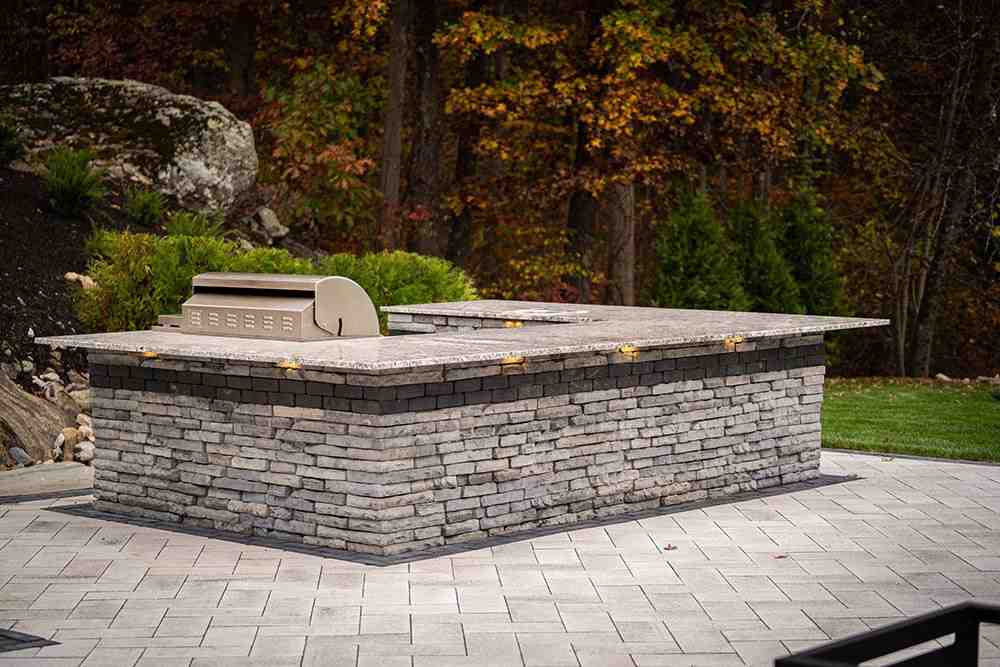
various outdoor-rated material samples like granite, pavers, and stainless steel - outdoor kitchen planner

Choosing Durable Materials: Built to Withstand the Elements

Outdoor kitchens in Methuen must endure sun, rain, snow, and ice. Choose materials based on durability, weather resistance, maintenance, and aesthetics. For comprehensive guidance, explore our Outdoor Kitchen Design resource.

  • Countertops: Natural stone like granite, soapstone, and quartzite are top choices for their heat resistance and durability, with granite being a top-tier, long-lasting option. Concrete offers a modern look but requires expert installation to prevent cracking. Outdoor-rated porcelain or ceramic tile is a versatile, budget-friendly choice. Avoid wood, which is prone to rot and requires constant maintenance.
  • Cabinetry: Stainless steel is the gold standard for its durability and professional look; seek out marine-grade 316L for the best corrosion resistance. Marine-grade polymer is another excellent, zero-maintenance option that is waterproof and won’t fade.
  • Structure and Base: For a permanent, built-in look, use a masonry base with stucco, brick, or stone veneer. The internal frame is typically built with fireproof metal studs and covered with waterproof fiber cement board. For classic charm, see our guide to Brick Outdoor Kitchens.

Selecting Key Appliances: Your Outdoor Cooking Arsenal

Your outdoor kitchen planner ensures all your chosen appliances fit and function correctly within your design.

  • The Grill: The centerpiece of most kitchens. Built-in gas grills offer a sleek, integrated look, while charcoal, pellet, or electric grills cater to different cooking styles.
  • Essential Additions: An outdoor-rated refrigerator is a must-have for keeping drinks and ingredients cold. A sink with hot and cold water simplifies prep and cleanup. Side burners are perfect for sauces and side dishes. Include ample storage with outdoor-rated drawers and cabinets, plus pull-out bins for trash and recycling.
  • Specialty Appliances: Lift your cooking with a pizza oven, a smoker for authentic barbecue, or a kegerator for draft beer on tap. Learn more about an Outdoor Kitchen with a Pizza Oven.

Crucially, all appliances must be outdoor-rated to withstand the elements and ensure longevity. Indoor models are not a safe or durable substitute.

Step 4: Using an Outdoor Kitchen Planner to Finalize Your Design

With your vision, layout, and materials chosen, an outdoor kitchen planner helps create the final blueprint. This step bridges the gap from idea to a buildable design, reducing construction errors and ensuring the finished kitchen matches your vision.

How a Digital Outdoor Kitchen Planner Works

Many online tools act as a personal outdoor kitchen planner, allowing you to experiment with designs. Key features include:

  • 3D Visualization: Create a model to see your kitchen from any angle and check sightlines.
  • Drag-and-Drop Interface: Easily arrange appliances, cabinets, and counters to test different layouts.
  • Customization: Select specific layouts, appliance models, and material finishes to see how they look together.
  • Quotes & Parts Lists: Many tools can generate a parts list and an estimated cost for budgeting.

Popular options include manufacturer-specific planners (e.g., Charbroil, Coyote) and general design software like SketchUp. These tools are fantastic for visualizing your space and making preliminary decisions.

The Value of a Professional Outdoor Kitchen Planner

While digital tools are great for initial ideas, a professional outdoor kitchen planner offers invaluable expertise. At Dube Property Maintenance & Hardscaping, our team provides:

  • Local Expertise: We recommend the best materials and designs for the New England climate, ensuring your kitchen survives Methuen winters.
  • Code Compliance & Permitting: We steer complex local building codes in Methuen, MA, and surrounding areas, handling the permit process to ensure your project is safe and legal.
  • Site-Specific Solutions: A professional assesses your property for unique challenges like drainage, grading, or tree roots that software can’t, preventing costly issues down the line.
  • Contractor Coordination: We provide detailed plans that ensure a smooth installation process, saving you time and stress.
  • Accurate Budgeting: We provide precise quotes based on current material and labor costs, helping you manage your budget effectively and make informed decisions.

Working with an expert ensures your outdoor kitchen is beautiful, functional, and built to last. For more on what to expect during construction, explore our guide on Installing an Outdoor Kitchen.

Frequently Asked Questions about Outdoor Kitchens

We get a lot of questions about outdoor kitchens. Here are answers to the ones that come up most often, to help you plan with confidence.

Do I need a permit to build an outdoor kitchen?

Almost always yes. Any project involving permanent structures or utility connections (gas, plumbing, electrical) requires permits to ensure it meets local safety codes. These rules cover everything from the grill’s distance from your house to proper wiring specifications. Ignoring them can lead to fines or forced removal. An experienced outdoor kitchen planner like our team at Dube Property Maintenance & Hardscaping handles the permitting process for you, ensuring your project is compliant from day one.

How can I make my outdoor kitchen usable in more than one season?

With thoughtful planning, your outdoor kitchen can be used well beyond summer. To extend your outdoor cooking season in New England, consider these features:

  • Covered Structures: A pergola, pavilion, or solid roof protects from rain and sun.
  • Outdoor Heaters: Propane or built-in radiant heaters make chilly evenings comfortable.
  • Lighting: Good task and ambient lighting allows for safe cooking and creates atmosphere after dark.
  • Fire Features: An integrated fireplace or nearby fire pit provides warmth and a natural gathering spot.
  • Windbreaks: Strategic landscaping or privacy screens can shield the area from cold winds.

By incorporating these elements, you create true Outdoor Living Spaces you can enjoy for more of the year.

What’s the most important element in an outdoor kitchen design?

While every part matters, the single most critical element is functionality. A beautiful kitchen that’s frustrating to use won’t be enjoyed. A successful design, guided by a thoughtful outdoor kitchen planner, prioritizes:

  • An efficient work triangle connecting the grill, sink/fridge, and prep space.
  • Ample landing space next to the grill and sink for platters and ingredients.
  • Durable, weather-resistant materials that are built to last for years.
  • Proper ventilation, which is a key safety feature, especially under a covered structure.

Conclusion: From Plan to Perfection

You’ve steerd the key steps of designing your dream outdoor kitchen. By breaking it down into stages—budgeting, layout, materials, and final design—the process becomes manageable. An outdoor kitchen planner, whether a digital tool or a professional service, is crucial for turning your vision into a workable blueprint, preventing costly mistakes and ensuring a perfect fit.

A well-designed outdoor kitchen is transformative. It can boost your home’s value by 10-20% and completely change how you enjoy your backyard. But the real value lies in the memories created—the laughter, the shared meals, and the joy of entertaining outdoors.

Working with a professional team like Dube Property Maintenance & Hardscaping ensures a seamless process from design to installation. We handle the complexities of permits, utilities, and construction in the Methuen climate, so you can focus on planning your first cookout. Your backyard has incredible potential, and we can help you open up it.

Ready to turn your outdoor kitchen dreams into a delicious reality? Contact our team to start planning your dream outdoor kitchen today! Let’s build something amazing together—a space where great food, great company, and great memories come together under the open sky.


outdoor kitchen planner

Table Of Contents

Get Started Today!
Dube Property Maintenance
& Hardscaping
Dube Property Maintenance
160 Hampstead St., Methuen, MA 01844
Servicing Merrimack Valley & Southern NH
For 25+ years Dube Property Maintenance & Hardscaping has provided top-rated residential and commercial landscape design, installations, hardscaping, irrigation systems and commercial snow and ice management. Our hardscaping division proudly serves the Merrimack Valley, Middlesex and Essex County and Southern, NH regions, transforming outdoor spaces into stunning works of art.