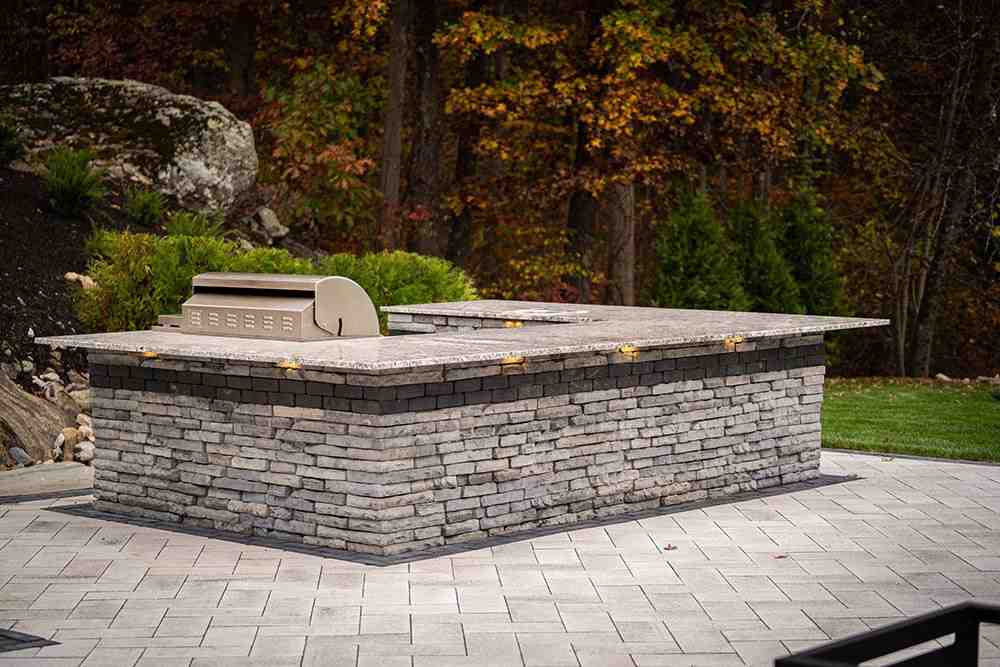
Why an Outdoor Kitchen Build Transforms Your Backyard
An outdoor kitchen build is more than just moving your grill outside—it’s about creating a complete cooking and entertainment space that extends your home’s living area into your yard. According to industry trends, people are spending more money on their outdoor kitchens than their indoor ones, and many homeowners find they actually save on utility bills by cooking outside since they’re not heating up the house with their oven.
Quick Answer: The Essential Steps for an Outdoor Kitchen Build
Plan your layout – Design zones for cooking, prep, and entertaining
Select durable materials – Choose weather-resistant countertops and cladding
Build a solid foundation – Pour a reinforced concrete footing
Construct the frame – Use concrete block or steel studs
Install utilities – Run electrical, plumbing, and gas lines
Add appliances and finishes – Install your grill, countertops, and stone veneer
Building an outdoor kitchen can increase your home’s value significantly while expanding your entertaining space. Whether you’re planning a simple grill island or an elaborate cooking station with multiple appliances, understanding the construction process helps you make informed decisions about your project.
For homeowners in Andover, Haverhill, Methuen, and North Andover, the New England climate requires special attention to weather-resistant materials and proper construction techniques. A professionally built outdoor kitchen needs a solid foundation, appropriate framing, and weatherproof finishes that can withstand Massachusetts winters.
DIY builds can save you 20-40% in labor costs (averaging $1,500-$6,000), but they require significant skill, tools, and time. Professional installation ensures code compliance, proper utility integration, and long-term durability—critical factors for a structure that faces harsh weather conditions year-round.
Planning & Design: The Blueprint for Your Backyard Oasis
Before we even think about turning a single screw or mixing a batch of mortar, the most crucial step in any outdoor kitchen build is meticulous planning and design. This is where we dream big, but also get realistic about space, budget, and functionality. We consider everything from the flow of foot traffic during your legendary backyard barbecues to the direction of the sun (nobody wants to cook with the sun in their eyes!).
A well-designed outdoor kitchen isn’t just a collection of appliances; it’s a seamless extension of your living space, creating distinct zones for different activities. We typically advise clients to think about four key areas:
Hot Zone: This is the heart of the cooking action, housing your grill, side burners, or pizza oven. Safety and ventilation are paramount here.
Prep Zone: A dedicated area for chopping, mixing, and preparing food. This zone often includes a sink and ample counter space.
Wet Zone: Where your sink, ice maker, or even a kegerator might live. Proximity to plumbing is key.
Entertaining/Serving Zone: This area provides space for guests to gather, for drinks to be served, and for plated food to be placed before serving. Tiered countertops with barstool seating are a popular choice here.
When planning your layout, consider the proximity to your indoor kitchen, dining areas, and any other outdoor features like a pool or fire pit. How will people move between these spaces? Will your grill smoke blow towards your house or your guests? These are the kinds of questions our experts consider when designing your perfect outdoor space. For more personalized guidance on creating your ideal outdoor cooking haven, explore our outdoor kitchen design services.
Essential Components and Appliances
The components you choose for your outdoor kitchen build are what truly bring it to life. While the grill is often the star, a comprehensive outdoor kitchen includes much more for ultimate convenience and enjoyment.
Grill: This is often the centerpiece. You’ll need to decide between propane or natural gas (more on that later!), and consider features like infrared burners, rotisseries, or even a smoker. High-quality grills made from durable materials like 304 stainless steel are essential for longevity in the New England weather.
Countertops: Ample, durable countertop space is crucial for food preparation and serving.
Outdoor-Rated Refrigerator: Unlike indoor fridges, these are designed to withstand temperature fluctuations and environmental elements, keeping your drinks and perishables perfectly chilled.
Sink: A sink with running water transforms your outdoor kitchen, making cleanup and food prep far easier.
Storage Cabinets and Drawers: Weather-resistant storage is vital for keeping utensils, cooking tools, and other essentials protected from the elements and organized. Stainless steel cabinets are highly recommended for their durability.
Side Burners: Perfect for simmering sauces, boiling corn, or keeping side dishes warm while your main course cooks on the grill.
Pizza Ovens: A wood-fired or gas pizza oven adds a fun, authentic culinary experience, reaching temperatures of 700-800 degrees Fahrenheit for crispy crusts.
Beyond these essentials, here are some popular creative features that can lift your outdoor kitchen:
Kegerators
Ice makers
Warming drawers
Outdoor fireplaces
Utilities and Fuel Choices
Integrating utilities into your outdoor kitchen build is a critical step that often requires professional expertise. This involves careful planning for electrical, plumbing, and gas lines.
Plumbing Considerations: If you desire a sink, dishwasher, or even a wet bar, plumbing lines will need to be run to your outdoor kitchen. This requires digging trenches for water supply and drainage lines, ensuring proper slopes for wastewater, and protecting pipes from freezing in our Massachusetts and New Hampshire winters.
Electrical Needs: Powering your refrigerator, lighting, music, and other appliances means running electrical conduit. We ensure the installation of outdoor-rated boxes and sufficient exterior outlets to meet your needs, all while adhering to local electrical codes.
Propane vs. Natural Gas: This is a big decision for your grill and other gas appliances.
Propane: Offers flexibility as it uses portable tanks, making it suitable for locations further from your home’s main gas line. However, tanks need refilling, and you’ll need proper ventilation for propane tanks if they are enclosed.
Natural Gas: Provides a continuous fuel supply directly from your home’s gas line, eliminating the need for tank refills. This is often more convenient and cost-effective in the long run. However, it requires a professional gas line extension, which can be a more involved installation.
Professional Gas Line Installation: Regardless of whether you choose propane or natural gas, the installation of gas lines is not a DIY project. It requires licensed professionals to ensure safety, prevent leaks, and comply with all local regulations in towns like Andover, Methuen, and Salem, NH. We also ensure safety shut-offs are easily accessible.
Outdoor-Rated Outlets: All electrical outlets and fixtures must be outdoor-rated and weather-resistant to safely withstand the elements.
Materials & Foundation: Building a Kitchen That Lasts
The materials we select for your outdoor kitchen build are paramount, especially when considering the diverse weather conditions we experience in New England. From harsh winters to humid summers, every component must be chosen for its durability, weather-resistance, and aesthetic appeal. This is where our expertise in hardscaping truly shines, ensuring your outdoor kitchen stands the test of time and looks beautiful doing it. We can help you steer the best choices for your specific needs, and you can learn more about our comprehensive hardscaping services.
Choosing a Construction Method
When it comes to building the core structure of your outdoor kitchen, there are a few primary methods, each with its own advantages:
Concrete Block Construction: This is a traditional and highly durable method. Concrete blocks provide immense longevity and stability, creating a robust frame that can support heavy countertops and withstand significant wear and tear. It offers a rustic vibe and is easy to customize.
Steel Frame Construction: A popular choice for its lightweight nature and fireproof qualities. Steel studs are easy to work with and can create a sturdy frame, often for a similar price to cheaper steel studs, but with 10 times the strength. However, it’s worth noting that even stainless steel frames can be susceptible to rust, especially in coastal areas like Newburyport or Salisbury, MA, if not properly maintained or specified for marine environments. For this reason, we often recommend other materials or specific grades of stainless steel for those locations.
Lumber and Plywood: While more budget-friendly for DIY, using wood frames for an outdoor kitchen requires careful consideration. If you choose this route, it’s crucial to use durable, rot-resistant wood varieties like cedar, and to incorporate insulated jackets around any heat-producing appliances like grills to prevent fire hazards. The timber frame would then be covered with cement board and a veneer.
Modular vs. Custom Builds:
Modular Outdoor Kitchens: These systems use pre-built components that are assembled on-site. They offer convenience, faster installation, and often cost savings. Brands like Belgard offer modular units that are built in a controlled factory setting and shipped in pieces for quick installation, significantly faster and less expensive than on-site construction. IKEA also offers modular components for a more affordable, flexible solution. While great for ease, they may offer less flexibility in unique designs or specific appliance integration.
Custom Builds: This approach offers unparalleled flexibility in design, size, and appliance selection, allowing us to perfectly tailor the kitchen to your specific needs and backyard space. While potentially more involved and costly upfront, a custom outdoor kitchen build ensures a unique, perfectly integrated solution.
Countertop and Cladding Materials
The finishing touches of your outdoor kitchen—the countertops and cladding—are where aesthetics meet extreme durability. These surfaces must withstand cooking spills, UV rays, temperature extremes, and general wear and tear.
Countertop Options:
Granite: A perennial favorite for outdoor kitchens. Granite is incredibly durable, heat-resistant, easy to clean, and provides a timeless, luxurious look. It’s often seen as the most impressive material.
Natural Stone: Beyond granite, other natural stone options offer unique beauty and exceptional durability, making them incredibly long-lasting. Professional fabrication is often recommended for these materials due to their hardness and weight.
Concrete: While trendy and offering a modern aesthetic, concrete countertops can be prone to cracking and crumbling over time, especially with freeze-thaw cycles common in Methuen or Lowell, MA, if not properly sealed and maintained.
Tile: Offers a vast array of styles, colors, and patterns, providing design flexibility and affordability. Ensure you choose outdoor-rated, non-porous tiles and grout that can handle the elements.
Wood: Generally, wood is not recommended for outdoor kitchen countertops due to its high maintenance requirements (yearly upkeep, sealing, protection from moisture) and susceptibility to rot and staining.
Cladding Options: The cladding is what covers the structural frame of your outdoor kitchen, providing both protection and visual appeal.
Stone Veneer: This is a very popular choice, offering the classic, substantial look of natural stone without the immense weight and cost of full-thickness stone. It’s durable and blends beautifully with other hardscaping elements like a paver patio or retaining wall.
Stucco: Provides a smooth, contemporary finish that can be colored to match your home or other outdoor features. It’s weather-resistant and relatively low maintenance.
Brick: Offers a traditional, charming aesthetic that can complement many home styles in our service areas. Like stone, it’s very durable and weather-resistant.
For expert installation of these beautiful and durable materials, our masonry services ensure a flawless finish for your outdoor kitchen.
The Professional Outdoor Kitchen Build: From the Ground Up
Starting on an outdoor kitchen build is a significant undertaking, and for a structure that will endure the New England elements and house complex utilities, professional execution is often the best route. Our approach ensures that every step, from the initial site preparation to the final touches, adheres to the highest safety standards and local building codes, giving you peace of mind and a lasting investment.
Key Steps in Your Outdoor Kitchen Build
Let’s walk through the fundamental steps we take when constructing your outdoor kitchen:
Site Preparation and Excavation: We begin by carefully preparing the chosen site. This involves clearing the area, ensuring it’s level, and establishing proper drainage to prevent water accumulation, which can undermine the foundation.
Foundation Requirements: A solid foundation is non-negotiable for an outdoor kitchen. We excavate and pour a reinforced concrete footing with re-bar. This 4-inch cement footing provides a stable, non-sinking base that can support the significant weight of appliances, countertops, and masonry, crucial for longevity in areas like Dracut or Tewksbury, MA.
Building the Frame: Once the foundation is cured, we construct the main support frame. For maximum durability and stability, especially with heavy countertops, we often use 8-inch concrete blocks. This provides a robust, fire-resistant structure. If a steel frame is chosen, it’s carefully assembled using self-tapping stainless steel screws, ensuring a square and secure structure.
Installing Sheathing: The frame is then sheathed, typically with fiber cement board (like Hardie Backer Board or Durock). This material is weather-resistant and provides an excellent substrate for the final cladding. We attach it securely with one-inch self-tapping screws, spacing them approximately 10 inches apart.
Integrating Utility Lines: This is a complex but vital step.
Electrical Conduit: We install electrical conduit to power your refrigerator, lighting, and any other appliances, using outdoor-rated boxes for all exterior outlets.
Plumbing: For sinks and dishwashers, we run water supply and drainage lines, ensuring they are properly sloped and protected, particularly against freezing temperatures.
Gas Lines: If you opt for natural gas, a licensed professional extends the gas line from your home to the kitchen, complete with safety shut-offs.
Ensuring Proper Ventilation: For any enclosed gas appliances, proper ventilation is absolutely critical to prevent the dangerous buildup of fumes and gases. We install vent louvers on each end of the island and ensure adequate airflow according to appliance manufacturer recommendations and local codes. For wood-framed structures, insulated jackets are a must around heat sources to prevent fire hazards.
Cladding and Countertop Installation: With the structure and utilities in place, the chosen cladding (stone veneer, brick, stucco) is carefully applied. For stone veneer, we often use a scratch coat of mortar over wire lath to ensure strong adhesion. Finally, the countertops are installed, often professionally cut to accommodate appliance cutouts and overhangs.
Safety, Permits, and Local Codes
Safety and compliance are paramount in any outdoor kitchen build, particularly in Massachusetts and New Hampshire.
Ventilation for Gas Safety: As mentioned, proper ventilation is not just a recommendation; it’s a safety imperative. When gas tanks or appliances are enclosed, vents are essential to prevent dangerous fume buildup. We ensure deep vent hoods and blowers are correctly installed and that there’s clear airflow through chimneys and vents.
Insulated Jackets for Combustible Frames: If any part of your outdoor kitchen frame is made from combustible materials like wood, an insulated jacket around heat-producing appliances (like grills) is non-negotiable to meet fire safety standards.
Building Permits: Don’t skip this step! Permits are an important consideration for any outdoor home construction project. According to Angi, deck or patio permits typically cost between $220 and $500, while plumbing permits range from $50 to $500. In general, you can expect permits to add an average of $250–$2,000 to your project cost. These permits ensure that your outdoor kitchen build meets local safety and construction standards. We handle the complexities of obtaining necessary approvals for you.
Adhering to Massachusetts Building Codes: For residents in our service areas like Andover, Haverhill, Methuen, North Andover, and beyond, we are intimately familiar with local building codes. This ensures your outdoor kitchen is not just beautiful and functional, but also fully compliant and safe. The growing popularity of outdoor living, highlighted in this article on outdoor living trends, means that municipalities are increasingly vigilant about proper construction.
Weighing Your Options: DIY vs. Professional Installation & Costs
The allure of a DIY outdoor kitchen build is strong, promising significant savings and the satisfaction of a job well done. However, this is a complex project involving carpentry, masonry, and often electrical, plumbing, and gas work. It’s crucial to weigh the advantages and disadvantages carefully.
Cost Factors for an Outdoor Kitchen Build
Disclaimer: The following costs are based on national averages from online sources and do not reflect the pricing of Dube Property Maintenance & Hardscaping. Actual costs will vary.
The total cost of an outdoor kitchen can vary dramatically based on several factors:
Average Cost Range: While a basic setup might start around $3,000, a comprehensive, high-end outdoor kitchen build can easily reach $50,000 or more, with many projects falling in the $5,000 to $15,000 range.
Material Quality: Premium materials like granite countertops and natural stone veneer will naturally increase costs compared to tile or stucco.
Appliance Selection: A basic grill is far less expensive than integrating a high-end grill, pizza oven, refrigerator, side burners, and other specialty items.
Project Size and Complexity: A simple grill island will cost less than an elaborate U-shaped kitchen with multiple zones and custom features.
Labor Costs: This is where DIY can save money, but professional labor ensures quality and expertise.
Permit Fees: As mentioned, permits can add an average of $250–$2,000 to your project cost, depending on the scope of work (patio, plumbing, electrical).
DIY Savings vs. Professional Value
Potential DIY Savings: According to Angi, DIYing your outdoor kitchen can save you an average of 20%–40% or $1,500–$6,000 in labor fees. For example, a professionally built outdoor kitchen that costs $20,000 might cost between $12,000 and $16,000 to build yourself. This can be very appealing, and many steps like building the frame, applying sheathing, and doing stonework can be tackled by a handy homeowner.
Risks of DIY: However, the savings come with significant risks.
Improper Installation: Mistakes in framing, utility connections, or material application can lead to structural issues, appliance malfunctions, or costly repairs down the line.
Safety Hazards: Incorrect installation of gas lines or electrical wiring poses serious fire and health risks.
Code Violations: Without knowledge of local building codes in towns like Methuen, Andover, or Salem, NH, DIY projects can result in fines, forced demolition, or difficulty selling your home later.
Time and Effort: A complex outdoor kitchen build is incredibly time-consuming and requires a wide array of tools and skills.
Benefits of Hiring a Professional: For these reasons, many homeowners find the value of professional installation outweighs the DIY savings.
Expertise in Local Conditions: We understand the specific challenges of the New England climate and choose materials and construction methods that will perform best here.
Code Compliance and Safety: Our licensed professionals ensure all electrical, plumbing, and gas installations meet stringent safety standards and local regulations.
Access to Quality Materials: We source high-quality, outdoor-rated materials that are durable and long-lasting.
Efficient Project Completion: Our team works efficiently to complete your project on time and within budget, minimizing disruption to your home life.
Long-Term Durability and Warranty: A professionally built outdoor kitchen comes with the assurance of quality workmanship and often a warranty, providing peace of mind for years to come.
Conclusion
An outdoor kitchen build is a transformative home improvement project that extends your living space, improves your lifestyle, and adds significant value to your property. From intimate family dinners to lively gatherings with friends, an outdoor kitchen quickly becomes the central hub for entertaining and creating cherished memories.
We’ve explored the essential components, the critical planning and design considerations, the durable materials best suited for our New England climate, and the step-by-step process of construction. We’ve also highlighted the importance of professional expertise in navigating complex utility installations, ensuring safety, and adhering to local building codes.
To ensure your investment lasts, proper maintenance and care are key. Regular cleaning with mild soap and water, routine inspections for wear and tear, covering appliances when not in use, and periodically sealing natural stone surfaces will keep your outdoor kitchen looking its best for years to come.
For residents in North Andover, Methuen, and surrounding areas, a professionally installed outdoor kitchen is a valuable home addition, offering both immediate enjoyment and long-term returns. With our comprehensive hardscaping and masonry expertise, we are dedicated to bringing your outdoor culinary dreams to life.
For 25+ years Dube Property Maintenance & Hardscaping has provided top-rated residential and commercial landscape design, installations, hardscaping, irrigation systems and commercial snow and ice management. Our hardscaping division proudly serves the Merrimack Valley, Middlesex and Essex County and Southern, NH regions, transforming outdoor spaces into stunning works of art.