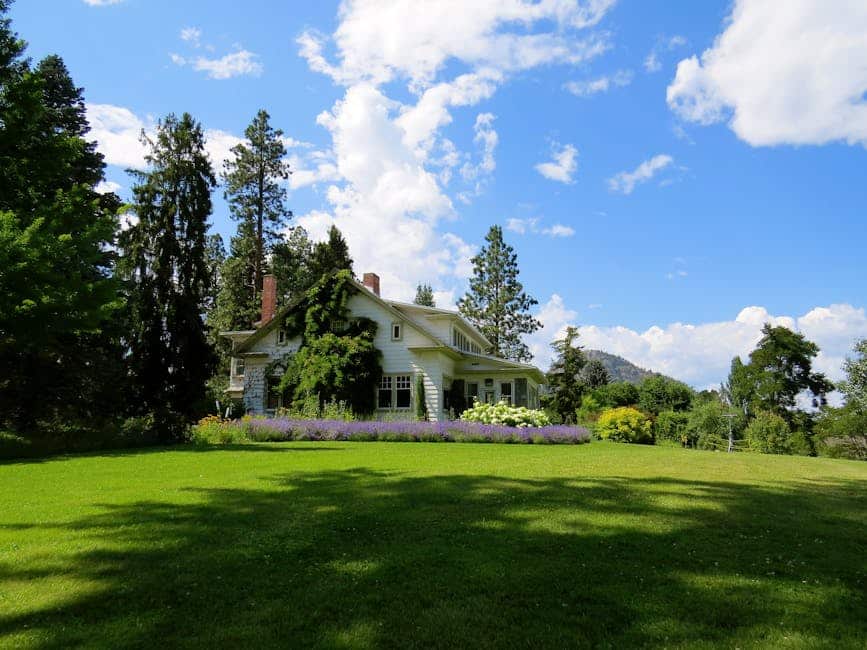

The new construction landscaping process is key to changing your newly built home or office into a complete space. This process is more than just planting a few trees or laying sod; it requires thoughtful planning and precise execution to achieve a lush and welcoming environment.
Here’s a quick overview:
Landscaping is not just about aesthetics; it’s about creating a first impression and adding value to your property. A well-designed landscape can increase your property’s worth by up to 12.7%, according to a Virginia Tech study. Moreover, it provides functional and serene outdoor environments for relaxation and entertainment.
In the challenging climate of Methuen, MA, landscaping must withstand harsh winters and efficiently manage water to maintain vibrancy year-round. Whether you’re a homeowner or a business owner, a successful landscaping project means better property value, less maintenance stress, and a space that’s uniquely yours.
Common new construction landscaping process vocab:
– how to landscape a new construction home
– design landscape construction
– what is landscaping construction
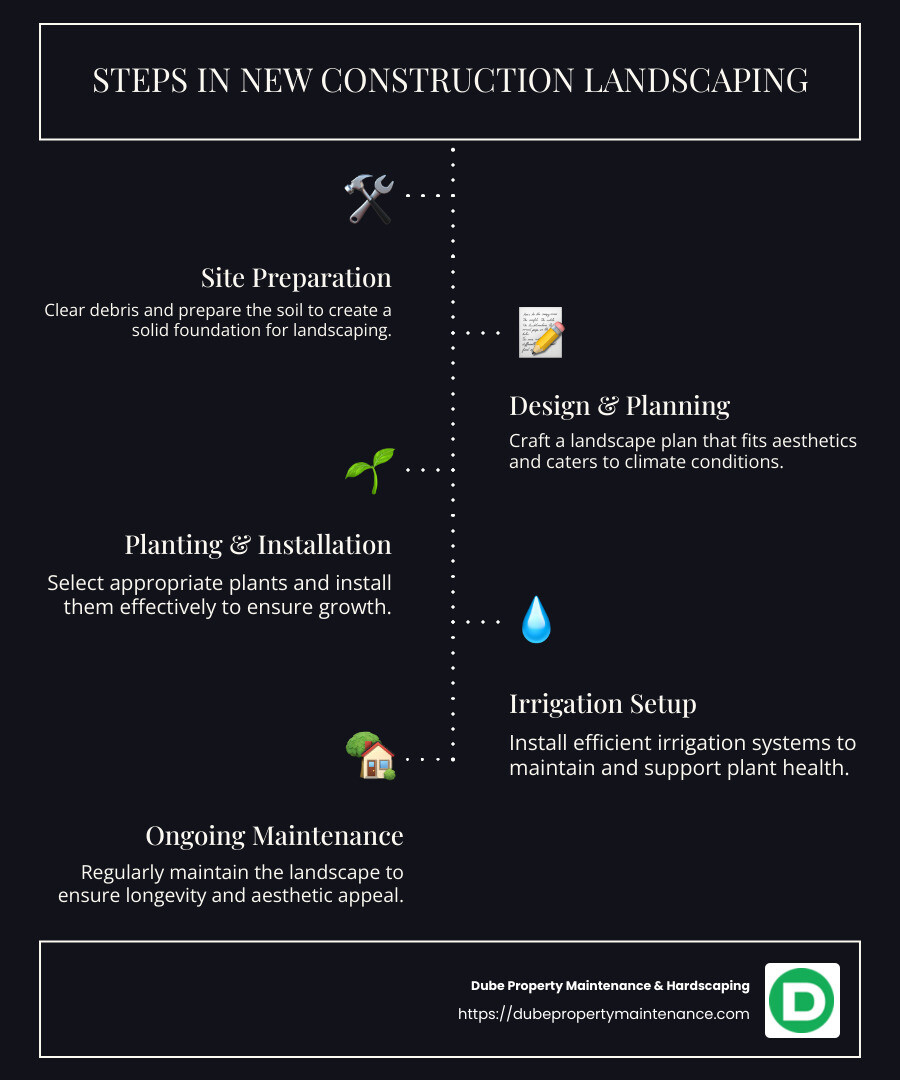
Creating a beautiful landscape for your new construction project involves several key steps. Each step is crucial to ensure that your outdoor space is not only visually appealing but also functional and sustainable.
Before any planting or hardscaping begins, understand the site. This involves a thorough inventory and analysis of the existing conditions. Key factors to consider include:
The next step is to assess your needs. This involves understanding what you want from your landscape in terms of functionality, aesthetics, and maintenance.
With a clear understanding of the site and your needs, the conceptual design phase begins. This is where creativity meets practicality.
The final step is to refine your design into a detailed plan.
By following these steps, you ensure that your new construction landscaping process is well-planned and executed, leading to a beautiful and functional outdoor space.
Next, we’ll dive into preparing the site for landscaping, including debris removal and soil preparation.
Once you’ve designed your landscape, it’s time to prepare the site. This involves removing debris, improving soil quality, and ensuring proper grading and leveling.
New construction sites often have leftover debris. This can include organic debris like fallen branches and leaves, as well as construction materials such as rocks, nails, and concrete chunks. Removing these is crucial. Here’s how:
Soil is the foundation of your landscape. Often, the soil on construction sites is compacted and low in nutrients. Improving it involves several steps:

Proper grading ensures water drains away from your home, preventing waterlogging and foundation damage. Here’s how to tackle grading and leveling:

By addressing these elements, you lay the groundwork for a successful landscape installation. Next, we’ll explore selecting plants and other landscape features to bring your design to life.
Choosing the right plants and integrating hardscape elements are crucial steps in the new construction landscaping process. These choices not only improve the beauty of your outdoor space but also ensure it functions well and is easy to maintain.
Selecting plants for your new landscape involves more than just picking what looks good. Consider these factors:
Hardscape elements like patios, walkways, and retaining walls add structure and functionality to your landscape. Here’s what to consider:
A well-planned irrigation system is vital for maintaining a healthy landscape. Consider the following:
By carefully selecting plants, installing functional hardscape elements, and setting up an efficient irrigation system, you can create a landscape that is not only beautiful but also sustainable and easy to maintain. Next, we’ll dig into landscaping installation techniques to bring your vision to life.
Creating a lush and inviting landscape for your new construction involves several key steps. Let’s explore the new construction landscaping process focusing on planting grass, using mulch, and understanding the benefits of each.
Sod vs. Seed
Choosing between sod and seed is a crucial decision. Sod provides an instant lawn and helps control erosion. It’s perfect if you need quick results and can be planted almost any time of year. However, it is more expensive, with costs ranging from 90¢ to $1.80 per square foot with professional installation.
Seed, on the other hand, is less costly, averaging 10¢ to 19¢ per square foot with professional help. It offers a wider variety of grass types but requires patience and a longer establishment period.
Seed Preparation
Sod Installation
Mulching is an essential part of the new construction landscaping process, offering numerous benefits.
Types of Mulch
Application Techniques
Weed Control
Mulch acts as a natural barrier against weeds. It blocks sunlight, reducing weed germination and growth. This minimizes maintenance and keeps your landscape neat.
By carefully choosing between sod and seed, preparing your soil, and applying mulch, you can establish a thriving landscape. These steps are essential in creating a beautiful and sustainable outdoor space. Next, we’ll explore the techniques to maintain your new landscape.
Creating a beautiful landscape is just the beginning. To keep it looking its best, regular care and seasonal maintenance are essential. Let’s explore the key aspects of maintaining your new landscape, focusing on regular upkeep, troubleshooting, and seasonal care.
Mowing
Mowing is a crucial part of lawn maintenance. Keep your grass at the recommended height for its type. For many grasses, this means mowing when it reaches about 3 inches tall and cutting it down to 2 inches. Regular mowing encourages healthy growth and prevents weeds.
Fertilizing
Fertilizing provides your lawn with essential nutrients. Apply a balanced fertilizer in early spring and late fall to promote growth and strengthen roots. Conducting routine soil tests can help determine the nutrients your soil needs.
Pest Management
Keep an eye out for pests that can damage your plants. Use eco-friendly pesticides or natural remedies like neem oil to manage infestations. Regular inspection and early intervention are key to preventing pest problems from getting out of hand.
Each season brings unique challenges and opportunities for your landscape. Here’s how to care for your outdoor space throughout the year:
Spring Prep
Spring is the time to refresh your landscape after winter. Start with a thorough cleanup to remove debris and dead plant material. Aerate your lawn to improve soil health, and apply pre-emergent herbicides to control weeds before they sprout.
Fall Cleanup
In the fall, prepare your landscape for the colder months. Rake leaves to prevent them from smothering your grass. Trim dead or overgrown branches to promote healthy growth and protect against winter damage. Fall is also a great time to fertilize your lawn and plant cool-season grasses.
Winter Protection
Winter can be harsh on your plants. Protect delicate species with burlap wraps or mulch to insulate roots. Avoid walking on frozen grass to prevent damage. If you have an irrigation system, ensure it’s winterized to avoid freezing and bursting pipes.
Professional Services
Sometimes, maintaining a landscape can be overwhelming. Hiring professional services can ensure your landscape receives expert care. They can handle everything from seasonal cleanups to regular mowing and fertilizing, giving you peace of mind and a stunning outdoor space year-round.
By following these maintenance tips, your landscape will stay healthy and vibrant. Next, we’ll explore some frequently asked questions about new construction landscaping to help you steer this exciting process.
Landscaping for a new house is a process that can take time, depending on several factors. According to experts, a good rule of thumb is to plan for about five years to fully realize your landscape vision. This timeline allows you to break down the project into manageable phases, making it easier to budget and adjust as needed.
Factors that influence the timeline include:
Aerating your lawn is a crucial step in maintaining healthy grass, especially after the soil has been compacted during construction. Aeration allows air, water, and nutrients to reach the roots more effectively. Here’s a simple guide on how to aerate your lawn:
Yard ruts from construction can be unsightly but are fixable with some effort. Here’s how to tackle them:
These steps will help restore your yard to a healthy and even state, making it ready for further landscaping. Next, we’ll dig into selecting plants and landscape features that suit your new construction project.
Creating a beautiful landscape around your new construction project is an investment that pays off in more ways than one. Not only does it improve the aesthetic appeal of your property, but it also offers long-term benefits that can significantly boost your home’s value.
Long-term Benefits
A well-planned landscape provides more than just visual pleasure. It offers environmental benefits, such as improved air quality and natural cooling, which can reduce energy costs. Moreover, a thoughtfully designed landscape can increase privacy, reduce noise, and create a peaceful outdoor retreat for relaxation and entertainment.
Property Value
According to a Virginia Tech study, landscaping can increase property value by up to 12.7%. This means that every dollar you invest in your outdoor space can significantly improve your home’s marketability and appeal. Buyers are often drawn to properties with mature trees, colorful gardens, and functional outdoor spaces, making your home stand out in the real estate market.
Dube Property Maintenance & Hardscaping
At Dube Property Maintenance & Hardscaping, we understand the importance of a well-executed landscaping plan. Our team of professionals is committed to changing your outdoor space into a stunning landscape that reflects your style and meets your needs. Whether you’re starting from scratch or enhancing an existing space, we offer comprehensive solutions custom to your vision. Our services range from landscape installations to hardscaping and beyond, ensuring your property looks its best all year round.
Ready to take the next step in your new construction landscaping process? Contact us today to explore how we can help turn your outdoor dreams into reality.