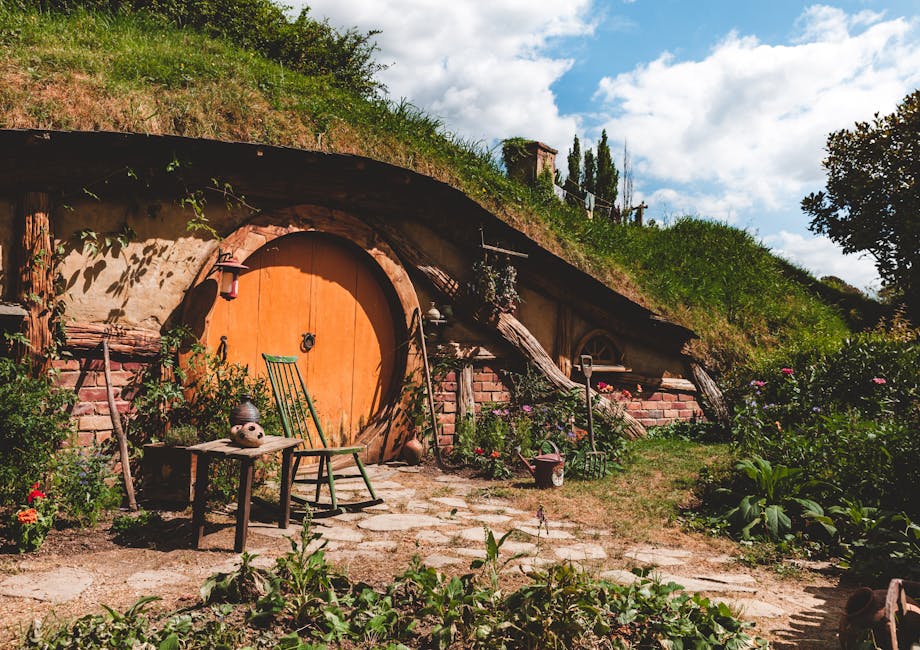
Landscape and hardscape design involves combining living plants (softscape) with non-living elements (hardscape) to create functional and beautiful outdoor spaces. For a quick understanding:
Importance:
Integrating both elements can dramatically enhance the aesthetic appeal and usability of your property. It adds structure and organization while maintaining the lush beauty of nature.
Benefits:
– Increased Property Value: Well-designed outdoor spaces can boost curb appeal.
– Enhanced Functionality: Create specific areas for seating, dining, and activities.
– Sustainable Living: Efficient water management and erosion control options.
Start dreaming big with your landscape and hardscape design plans, explore our detailed guides, and get ready to transform your outdoor space.

When planning your outdoor space, grasp the basics of landscape and hardscape design. These two elements work together to create a balanced and functional environment.
Landscape Design refers to the living elements in your outdoor space. This includes plants, trees, flowers, and lawns. These elements, also known as “softscape,” bring life and color to your garden.
Hardscape Design involves the non-living, structural components. Think of pathways, patios, decks, and retaining walls. These elements provide structure and organization to your landscape.
The contrast between landscape and hardscape elements is crucial. Softscape elements are dynamic and change with the seasons, adding beauty and variety. Hardscape elements, on the other hand, are static and provide a stable framework.
For example, a brick patio (hardscape) surrounded by lush flower beds (landscape) creates a visually appealing and functional outdoor area. The solidity of the bricks contrasts beautifully with the softness of the flowers.
Integrating landscape and hardscape is about creating harmony. Both elements should complement each other to form a cohesive design. Here are a few tips:
By understanding these core concepts, you can start to plan a beautiful and functional outdoor space that integrates both landscape and hardscape elements seamlessly. Dive into our detailed guides for more inspiration on how to achieve this balance.
When designing an outdoor space, it’s important to understand the key elements that make up a well-balanced landscape. These elements fall into two main categories: softscape and hardscape. Let’s break these down:
Softscape refers to the living, organic elements in your outdoor space. This includes:
Softscape elements bring life and color to your landscape. They change with the seasons, offering dynamic beauty and variety.
Hardscape includes the non-living, structural elements that give your landscape form and function. Examples are:
Hardscape elements provide structure and organization. They are the backbone of your landscape design.
Achieving a balance between softscape and hardscape is crucial for a harmonious outdoor space. Here are some tips:
By balancing these elements, you can create an outdoor space that is both functional and beautiful. For more detailed guidance on achieving this balance, explore our Design Guides.
Next, we’ll dive into Planning Your Landscape and Hardscape Design, where we’ll discuss site analysis, scale drawing, and bubble diagrams to help you get started.
When planning your landscape and hardscape design, the first step is site analysis. This involves assessing your outdoor space’s existing features, such as soil type, drainage, and sunlight exposure. A thorough site analysis helps you understand what materials and plants will thrive.
Next, create a scale drawing of your yard. This is a detailed map that shows the dimensions and locations of existing structures, trees, and other significant features. A scale drawing ensures that your design will fit perfectly within your space.
After that, use bubble diagrams to outline different areas in your yard. These are simple sketches that use circles or “bubbles” to represent different zones like seating areas, gardens, and pathways. Bubble diagrams help you visualize how different elements will interact.
Stone is a versatile and durable material. Use it for pathways, retaining walls, and patios. Stones come in various colors and textures, making it easy to match your home’s style. For instance, rough-hewn stone adds a rustic feel, while smooth pavers offer a modern look.
Wood is another excellent material for outdoor spaces. It’s perfect for decks, fences, and pergolas. Choose weather-resistant types like cedar or redwood to ensure longevity. Wood can be stained or painted to match your design theme.
Metal elements, such as railings, gates, and garden sculptures, add a contemporary touch. Metals like aluminum and steel are durable and can be powder-coated in various colors to prevent rust.
Integrating natural elements into your design brings life and movement to your space. Here are some key components:
Plants are the backbone of any landscape. Choose a mix of trees, shrubs, and flowers to create layers of interest. Edible gardens can also be a great addition, providing both beauty and fresh produce. Remember to select plants that are suitable for your climate and soil.
Water features like fountains, ponds, and waterfalls add a soothing element to your yard. They can also attract wildlife, such as birds and butterflies. Make sure to consider the maintenance requirements of each water feature.
The natural shape of your land, or topography, can be used to your advantage. Slopes can be transformed into terraces or rock gardens. Flat areas are perfect for lawns or patios. Use retaining walls to manage steep grades and prevent erosion.
By carefully planning your landscape and hardscape design, you can create a harmonious and functional outdoor space that suits your needs and style. Next, we’ll explore some Innovative Landscape and Hardscape Design Ideas to inspire your project.
Your front yard is the first thing people see. It sets the tone for your entire property.
Functional Spaces: Think about creating areas for different activities. A small seating area near the entrance can be perfect for morning coffee. Pathways made of pavers or gravel can guide visitors through your garden.
Aesthetic Appeal: Use a mix of materials like stone, wood, and metal to add texture and interest. For example, a paver driveway can add elegance and durability. Choose plants that complement your hardscape elements to create a cohesive look.
Sustainability: Consider using native plants that require less water and maintenance. Recycled materials for pathways and driveways are eco-friendly choices.
Pathways should be both beautiful and practical. Use materials like gravel, pavers, or stamped concrete. They not only guide visitors but also protect your lawn from foot traffic.
A well-designed driveway can enhance your home’s curb appeal. Opt for durable materials like pavers or stone veneer. These not only look great but also stand up to weather and wear.
Your entryway should be welcoming. Use plants, lighting, and seating to make it inviting. A small garden or water feature can add a touch of tranquility.
Your backyard is your private oasis. It should be a place for relaxation and entertainment.
Functional Spaces: Divide your backyard into zones. Have a dining area, a play area for kids, and a quiet corner for reading.
Aesthetic Appeal: Use different levels to create interest. Terraces or raised beds can add depth and dimension. Incorporate a variety of materials to keep the space visually engaging.
Sustainability: Install a rain garden to manage stormwater. Use permeable pavers to reduce runoff. Choose plants that thrive in your local climate to reduce water use.
A patio is a must-have for outdoor living. Choose materials like stone, brick, or concrete for durability. Add comfortable furniture and a shade structure for comfort.
Decks extend your living space. Use wood or composite materials. Consider built-in seating or planters to maximize space.
A fire pit is a great focal point. It adds warmth and ambiance. Custom designs can make it a standout feature in your backyard.
By integrating these landscape and hardscape design ideas, you can create a beautiful and functional outdoor space.
Next, we’ll look at Cost-Effective Hardscaping Solutions to help you achieve your dream landscape without breaking the bank.
Creating a beautiful outdoor space doesn’t have to be expensive. Here are some cost-effective hardscaping solutions to keep your budget in check while achieving a stunning landscape.
Recycled materials are not only eco-friendly but also budget-friendly. You can reuse existing materials like bricks, stones, and wood. For example, old bricks can be repurposed to create unique walkways or garden borders.
Upcycling is another great option. Turn old wooden pallets into garden furniture or planters. This not only saves money but also adds a personalized touch to your landscape.
Start with a budget plan. Prioritize essential elements like pathways and retaining walls. Allocate funds for these before moving on to decorative features.
Consider DIY options for smaller projects. Building a gravel path or a simple fire pit can be done with minimal tools and materials. There are many online tutorials to guide you through these projects.
Gravel and mulch are excellent low-cost materials. They are versatile and can be used for pathways, patios, and garden beds. Gravel is particularly useful for creating drainage solutions.
Choose eco-friendly materials like permeable pavers. These allow water to pass through, reducing runoff and helping the environment.
Natural stone veneers offer the look of real stone without the high cost. They are perfect for walls and other vertical surfaces.
Don’t rush your purchases. Compare prices from different suppliers. Look for sales and discounts, especially on bulk purchases.
Timing is crucial. Buy plants and materials during off-peak seasons. For example, purchase plants in late fall when nurseries often have sales. Similarly, buy hardscape materials in winter or early spring before the peak landscaping season.
By following these cost-effective hardscaping solutions, you can create a beautiful and functional outdoor space without breaking the bank.
Next, we’ll discuss Landscape and Hardscape Maintenance Tips to ensure your outdoor space remains beautiful and functional for years to come.
Routine Care
Regular upkeep is key to maintaining the beauty and functionality of your outdoor space. Simple tasks like sweeping pathways, cleaning patios, and trimming plants can prevent bigger issues down the line.
Seasonal Adjustments
Adjust your maintenance routines based on the season. For instance, spring is perfect for planting and mulching, while fall is ideal for pruning and preparing your landscape for winter.
Longevity
To ensure your landscape and hardscape last, invest in quality materials and proper installation. Regular inspections can catch small problems before they become big headaches.
Weed Control
Weeds can quickly take over if not managed. Use mulch to suppress weed growth and consider landscape fabric under gravel or pavers. Regular weeding is essential to keep these invaders at bay.
Erosion Prevention
Erosion can damage your landscape and hardscape elements. Use retaining walls, terraces, and proper drainage systems to prevent soil erosion. Planting ground cover can also help stabilize the soil.
Sealing
Sealing surfaces like stone patios and wooden decks can protect them from the elements. Sealants prevent water damage, staining, and wear, extending the life of your hardscape features.
Proper Installation
Correct installation is crucial. For example, improper installation of pavers can lead to uneven surfaces and trip hazards. Hiring professionals ensures that everything is laid out correctly and safely.
By following these maintenance tips, you can keep your landscape and hardscape looking great and functioning well for many years.
Next, we’ll answer some Frequently Asked Questions about Landscape and Hardscape Design to help you make informed decisions.
When it comes to low-maintenance hardscape materials, gravel and concrete are top choices. Gravel is cost-effective and easy to install. It’s perfect for pathways and can be easily refreshed with a new layer as needed. Concrete, on the other hand, is durable and versatile. It requires minimal upkeep—just occasional cleaning and sealing to keep it looking fresh.
Pro Tip: Opt for stamped or stained concrete to add visual interest without extra maintenance.
Maintenance frequency depends on the material and climate. Generally, annual check-ups are a good rule of thumb. For example, wood decks might need resealing every year to prevent weather damage, while stone patios might only need a good cleaning and weed control.
Quick Maintenance Checklist:
– Wood: Seal annually
– Stone: Clean and weed control yearly
– Concrete: Seal every 2-3 years
Regular inspections can catch small issues before they become big problems, saving you time and money in the long run.
Absolutely! Integrating well-designed landscape and hardscape elements can significantly boost your property value. Features like patios, walkways, and outdoor kitchens not only add aesthetic appeal but also increase functionality.
Statistics to Note: According to the National Association of Realtors, a well-landscaped home can add up to 10% to its value. Moreover, a study by the American Society of Landscape Architects found that outdoor kitchens and living spaces have a high return on investment.
Investing in professional landscape and hardscape design is a smart move that pays off both in enjoyment and resale value.
Review
Integrating landscape and hardscape design is a rewarding endeavor that enhances both the beauty and functionality of your outdoor spaces. By balancing softscape elements like plants and flowers with hardscape features such as patios and walkways, you create a cohesive and inviting environment. The key is thoughtful planning and choosing the right materials to suit your vision and budget. Investing in quality materials and craftsmanship pays off in the long run, not just in terms of durability but also in property value.
Future Trends
Looking ahead, we see some exciting trends in landscape and hardscape design:
These trends not only enhance the aesthetic appeal of your outdoor space but also add functional value, making your outdoor area a true extension of your home.
Dube Property Maintenance & Hardscaping
At Dube Property Maintenance & Hardscaping, we are dedicated to turning your landscape and hardscape dreams into reality. With years of experience and a commitment to quality, we offer a comprehensive range of services tailored to meet your unique needs. Whether you’re looking to create a serene garden retreat or a vibrant outdoor entertainment area, our team of experts is here to guide you every step of the way.
Ready to transform your outdoor space? Get started with Dube Property Maintenance & Hardscaping today. Let’s make your outdoor dreams come true!