
Garden lights can completely transform your outdoor space, adding both beauty and function. When done right, they create a welcoming ambiance that extends your living area into the outdoors. Here’s what you need to know at a glance:
Lighting not only highlights the best features of your garden but also enhances safety and security with spotlights and motion sensors. Whether you’re aiming for a cozy, romantic setting or a well-lit path for guests, the right lighting can make your garden both beautiful and functional. You don’t need to be a pro to get it right; a bit of planning and the right lights, and you’re set!
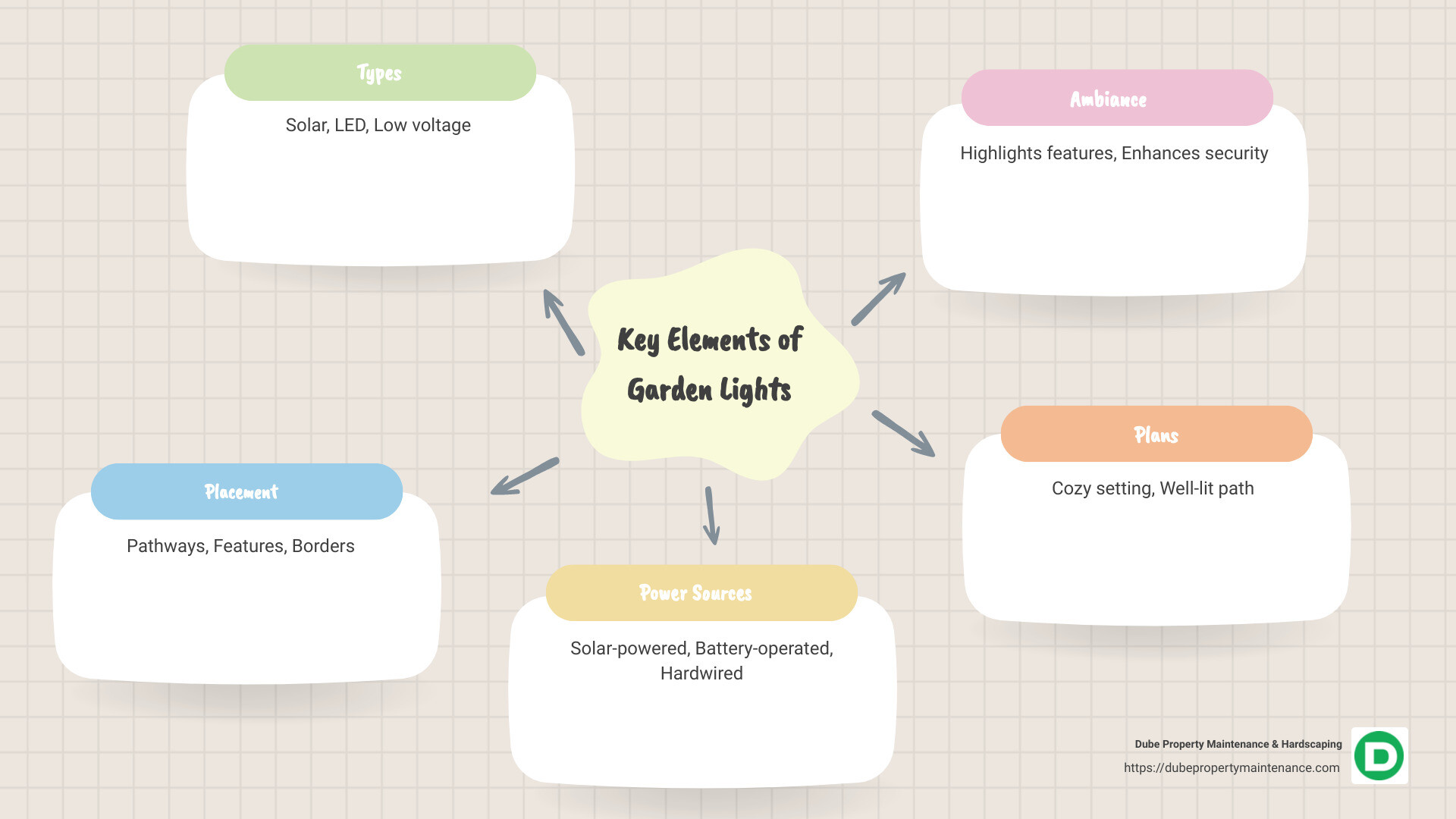
When it comes to garden lights, there are three main types to consider: solar, LED, and low voltage. Each type has its own benefits and ideal use cases.
Solar lights are a popular choice for their ease of installation and eco-friendliness. They charge during the day using sunlight and automatically turn on at dusk. This makes them perfect for areas with plenty of sunlight.
LED lights are known for their energy efficiency and long lifespan. They offer bright, reliable illumination and can be used in various fixtures, from spotlights to pathway lights. LEDs are also customizable in terms of color and brightness, allowing you to create the perfect ambiance.
Low voltage lights are powered through a transformer that reduces the standard 120-volt current to a safer 12 volts. They are ideal for a more permanent and robust lighting solution. These lights are often used for more intricate lighting designs and can be a bit more complex to install but offer excellent, consistent illumination.
The placement of your garden lights can dramatically affect the overall look and functionality of your outdoor space. Here are some strategies to consider:
Lighting pathways is crucial for safety and aesthetics. Solar path lights are a great option here as they are easy to install and provide sufficient lighting to guide you and your guests safely through your garden.
Highlighting specific features like a water fountain, statue, or a beautiful tree can add a dramatic effect to your garden. Spotlights are perfect for this purpose. They can be angled to focus on the feature you want to highlight, creating a focal point in your garden.
Using lights along the borders of your garden can define spaces and create a cozy atmosphere. This can be achieved with low voltage lights or LED strips that can be hidden among plants to provide subtle, ambient lighting.
Choosing the right power source for your garden lights is essential for both functionality and convenience. Here are the main options:
Solar-powered lights are excellent for eco-conscious homeowners. They are easy to install and require no wiring. However, they need ample sunlight to charge effectively, so they may not be suitable for heavily shaded areas.
Battery-operated lights offer flexibility as they can be placed anywhere without the need for wiring. However, they require regular battery changes or recharging, which can be a bit of a hassle.
Hardwired lights are the most reliable and provide consistent power. They are ideal for permanent installations and areas that require bright, constant illumination. However, they require professional installation to ensure safety and proper functioning.
Choosing the right type, placement, and power source for your garden lights can transform your outdoor space into a beautiful, functional area that you can enjoy year-round.
When installing garden lights, safety should be your top priority. Here are some key tips to ensure a safe installation:
To get the most out of your garden lights, consider these efficiency tips:
Investing in high-quality materials and regular maintenance can extend the life of your garden lights:
By following these best practices, you can create a safe, efficient, and long-lasting lighting setup that enhances the beauty and functionality of your outdoor space.
As the days get longer and the weather warms up, spring and summer are perfect for showcasing your garden with vibrant and efficient lighting. Here are some tips to make the most out of your garden lights during these seasons.
Adaptability and Solar Efficiency
Spring and summer offer plenty of sunlight, making solar-powered lights an excellent choice. Ensure your solar lights are placed where they can receive at least six hours of direct sunlight. This will keep them charged and ready to illuminate your garden throughout the night.
Colorful Displays
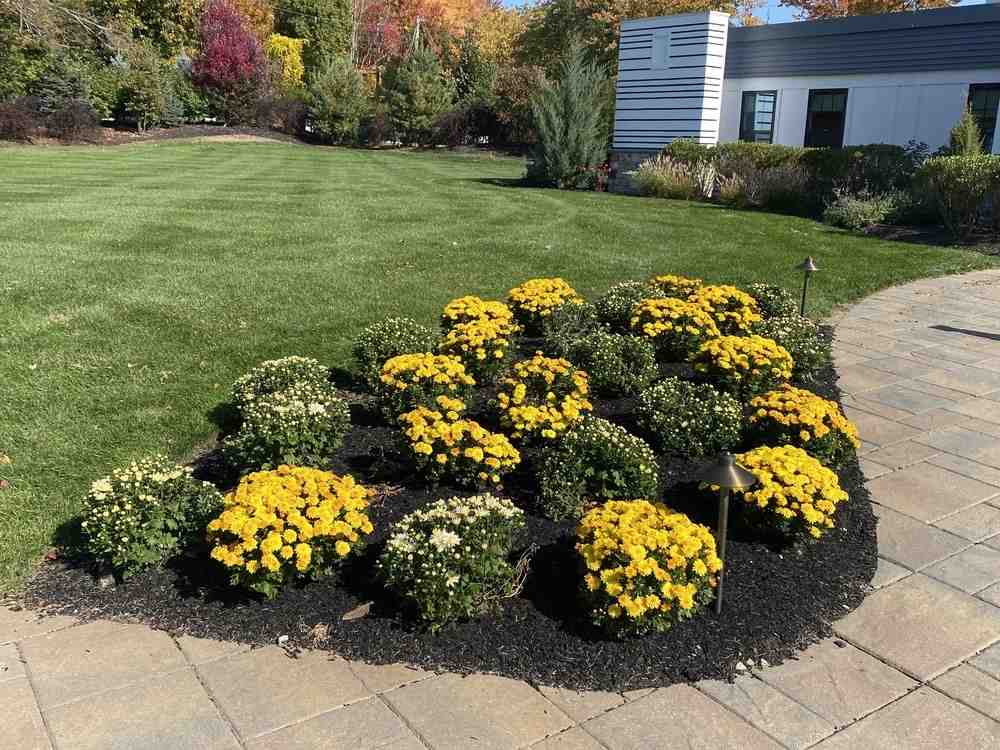
Spring and summer are seasons of color. Use garden lights to highlight the blooming flowers and lush greenery. Consider using LED lights with color-changing capabilities to add a dynamic and festive atmosphere to your garden. Path lights and spotlights can be used to create focal points and guide visitors through your garden.

When the days grow shorter and the weather turns colder, your garden lighting needs to adapt to the new conditions. Here’s how to keep your garden well-lit and inviting during fall and winter.
Durable Materials
Fall and winter bring harsher weather conditions, including rain, snow, and wind. Choose garden lights made from durable materials like raw brass or 6061 aircraft aluminum. These materials are resistant to corrosion and can withstand the elements, ensuring your lights last through the colder months.
Enhanced Illumination
With fewer daylight hours, it’s essential to have garden lights that provide enhanced illumination. Opt for lights with higher lumen output to ensure your garden remains bright and safe. Motion-sensing lights can also be a great addition for security and convenience.
Seasonal Tips
By adapting your garden lighting to the changing seasons, you can enjoy a beautifully lit outdoor space all year round.
When choosing garden lights, the best options are typically flood lights, spotlights, and wide beam lights. Flood lights cover large areas and are great for security. Spotlights focus on specific features like trees or sculptures. Wide beam lights are perfect for pathways and borders.
The ideal color temperature for garden lights is between 3000-4000K. This range offers a natural appearance that enhances the beauty of your plants and outdoor features. Lights in this range provide a warm, inviting glow without being too harsh or too dim.
Lighting an outdoor garden effectively involves a mix of spotlights, LED strips, and uplights.
Kelvin Scale: Understanding the Kelvin scale helps you choose the right light color. Lower Kelvin numbers (2000-3000K) produce a warm, yellowish light, while higher numbers (5000K and above) emit a cool, blue light. For gardens, stick to the 3000-4000K range for a natural look.
By combining different types of lights and considering their placement and color temperature, you can create a well-lit and aesthetically pleasing garden.
Enhancing your outdoor space with the right garden lights can transform it into a welcoming oasis. Whether you’re looking to highlight a beautiful landscape feature, ensure safe pathways, or simply create a cozy ambiance, the right lighting makes all the difference.
We at Dube Property Maintenance & Hardscaping specialize in creating stunning outdoor environments. With over 30 years of experience in landscape design and maintenance, we know how to bring your vision to life. From custom patios and walkways to retaining walls and outdoor kitchens, our team has the expertise to elevate your outdoor living space.
Choosing the right garden lights involves understanding different types, placement strategies, and power sources. Solar lights, for example, are perfect for eco-friendly and cost-effective illumination, while LED lights offer long-lasting and energy-efficient solutions. Thoughtful placement ensures that your garden is both beautiful and functional, whether you’re lighting up pathways, highlighting features, or illuminating borders.
Safety, efficiency, and longevity are key when installing garden lights. Proper wiring and weatherproofing ensure safety, while strategic positioning and timing controls maximize efficiency. Choosing high-quality materials and regular maintenance will keep your garden lights shining brightly for years to come.
Seasonal adaptability is also important. In spring and summer, take advantage of solar efficiency and colorful displays. For fall and winter, opt for durable materials and enhanced illumination to withstand harsher weather conditions.
We hope this guide helps you make informed decisions about your garden lighting. For more personalized advice and professional installation, contact us at Dube Property Maintenance & Hardscaping. Let’s illuminate your garden and create an outdoor space you’ll love.
