
Drip irrigation system underground is a cutting-edge solution for efficient water management, especially in dynamic climates like Methuen, MA, and surrounding areas. This innovative method places water directly at the roots of plants, minimizing waste and maximizing effectiveness in maintaining lush landscapes year-round.
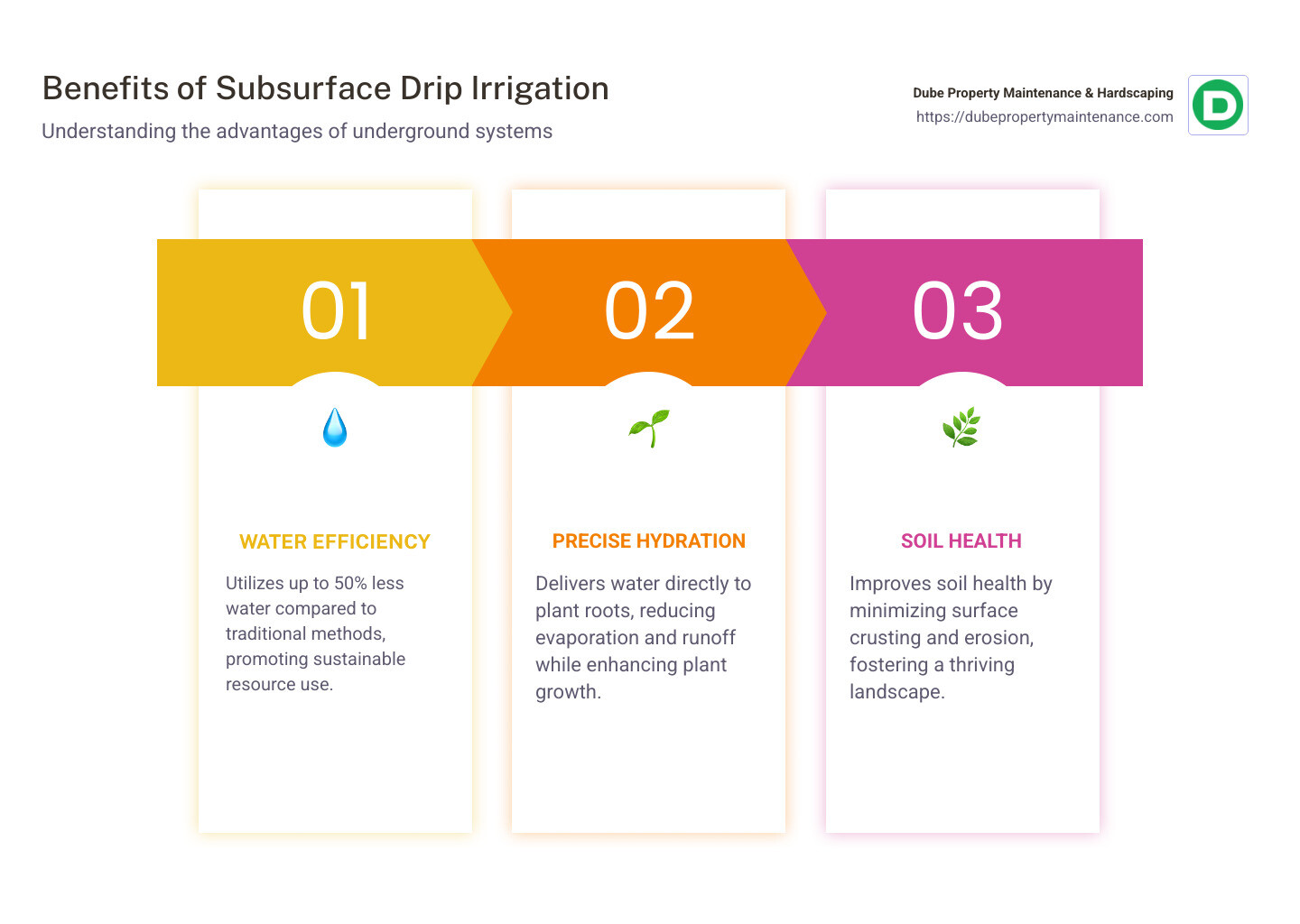
Imagine having a lush, green lawn or thriving garden without the guilt of excessive water use. Subsurface drip irrigation (SDI) can be that hidden gem in your landscape toolkit. It delivers water directly to the plant’s roots through a network of tubes placed beneath the soil. By eliminating surface water, SDI reduces evaporation and conserves water far better than traditional methods.
For homeowners and business owners alike, this system not only preserves aesthetics but also promotes responsible resource use. Looking to maintain a vibrant lawn? Subsurface drip irrigation might just be the perfect answer for your landscape needs.
Drip irrigation system underground terms made easy:
– drip irrigation system
– irrigation installation
– garden irrigation system
Subsurface drip irrigation is like having a secret ally in your quest for a lush lawn or productive garden. This system uses buried drip tubes to deliver water right to the roots of your plants, helping you conserve water and keep your landscape healthy.

While subsurface drip irrigation offers numerous benefits, it’s important to consider a few challenges before installation:
By understanding these benefits and considerations, you can make an informed decision about whether a drip irrigation system underground is right for your landscape needs. Transitioning to this efficient and sustainable method can be a game-changer for both residential and commercial properties.
Designing and installing a drip irrigation system underground requires careful planning and attention to detail. The key components and installation tips outlined below will help ensure your system is efficient and effective.
A well-designed subsurface drip irrigation system consists of several essential components:
When installing a subsurface drip irrigation system, consider the following tips to maximize efficiency and effectiveness:
By following these guidelines, you can create a drip irrigation system underground that conserves water, reduces evaporation, and keeps your landscape thriving. Transitioning to this efficient method is a smart move for any property owner looking to optimize their irrigation strategy.

Subsurface drip irrigation is a versatile solution for a variety of applications, from high-value crops to residential lawns. Let’s dig into how this system benefits different environments and plant types.
High-Value Crops
For high-value crops like strawberries, tomatoes, and potatoes, subsurface drip irrigation can lead to significant yield improvements. These crops benefit from the consistent moisture delivered directly to their root zones, promoting healthier growth and earlier maturation. In a case study involving melon crops, subsurface irrigation led to more uniform and earlier ripening, enhancing both yield and quality.
Lawns and Turfgrass
When it comes to lawns, especially in residential settings, this system keeps grass lush and green without the excessive water use associated with traditional methods. The drip irrigation system underground reduces surface evaporation and ensures water reaches the roots directly. This is particularly beneficial in areas with water restrictions or during dry seasons.
Arid Climates
In arid and semi-arid regions, water conservation is crucial. Subsurface drip irrigation provides a solution by minimizing water loss through evaporation, making it ideal for these challenging environments. Farmers in Senegal’s Sahel region have reported multiple harvests per year with drip systems, despite limited rainfall.
Vegetables
Vegetable gardens thrive with subsurface drip irrigation, as it delivers water efficiently to the root zone, reducing the risk of diseases that can occur with surface watering. Crops like onions, cantaloupes, and onions not only see improved yields but also benefit from reduced weed pressure, as water isn’t applied at the soil surface where weed seeds typically germinate.
Alfalfa
Alfalfa, often used as livestock feed, benefits from drip irrigation system underground by receiving consistent moisture, which is critical during its establishment phase. Initially, hand-set sprinklers may be used for germination, but once established, subsurface irrigation offers numerous advantages, including reduced water usage and improved growth.
By understanding the unique benefits of subsurface drip irrigation for these specific applications, property owners and farmers can make informed decisions to optimize their irrigation strategies.
Yes, you can definitely put drip irrigation systems underground. This technique, known as subsurface drip irrigation, involves burying drip tubes beneath the soil surface. The buried drip tubes deliver water directly to the plant roots, minimizing evaporation and water waste. By keeping the soil surface dry, this method also helps control weed growth, since weeds typically germinate on moist surfaces.
The depth at which you should bury drip irrigation tubes depends on the soil type and the plants being watered. Generally, the tubes are buried between 6 to 12 inches deep. In sandy soils, which drain quickly, tubes might be placed closer to the surface to ensure water reaches the roots effectively. In contrast, clay soils, which hold moisture longer, may allow for deeper placement. It’s important to consider the specific needs of your soil and plants to determine the optimal depth.
Burying drip irrigation is not only okay, but it is also highly recommended for efficient water use. However, there are a few considerations to keep in mind. Rodents can sometimes chew through the tubes, causing leaks. To mitigate this, use rodent-resistant materials or install deterrents. Also, since the system is underground, detecting leaks can be challenging. Regular inspections and maintenance are crucial to ensure everything is functioning properly. Using a filtration system can help prevent clogging, a common issue with buried systems.
By addressing these concerns, you can enjoy the benefits of an efficient and effective drip irrigation system underground.
At Dube Property Maintenance & Hardscaping, we believe in changing your outdoor spaces into thriving, sustainable environments. Our comprehensive outdoor solutions include everything from landscape installations to the advanced drip irrigation system underground. This innovative approach ensures that your landscape remains lush and healthy, while conserving water and reducing maintenance.
Our professional team is dedicated to providing high-quality services custom to your specific needs. We understand the importance of efficient water management and are committed to helping you achieve it. By choosing us, you’re not just investing in your property’s beauty, but also in its long-term sustainability.
Ready to improve your landscape with cutting-edge irrigation solutions? Contact us today to learn more about how our expert team can assist you in implementing a subsurface drip irrigation system that meets your needs. Let us help you create a vibrant outdoor space that you can enjoy all year round.
