
Diamond grass pavers offer a blend of strength and natural beauty for modern landscapes.
What are diamond grass pavers?
These innovative pavers solve a common problem: creating durable, functional surfaces without sacrificing green space or proper drainage. Diamond pavers bring a “kaleidoscope effect to modern landscape design” while addressing practical concerns like water management and soil stabilization.
The diamond shape creates striking geometric patterns suitable for residential and commercial settings. Filled with grass, turf, or aggregate, they offer endless design possibilities and structural integrity for heavy traffic.
For property owners in areas with harsh weather, these pavers offer a sustainable, year-round solution that improves stormwater management—a growing concern for many municipalities.

Diamond grass pavers solve real problems, delivering benefits that traditional concrete or asphalt can’t match.
Water management is a key benefit. Diamond grass pavers allow up to 96% of water to soak into the ground, unlike solid surfaces that create runoff. Some systems can handle up to ten inches of rainfall per hour. This incredible permeability helps recharge groundwater and prevents pollutants from entering local waterways.
They also provide effortless erosion control. The pavers lock soil in place, preventing washouts and ruts, especially on slopes.
Many pavers are eco-friendly, crafted from recycled plastic (like 97% recycled HDPE or 100% recycled polypropylene) or specially designed concrete. This turns waste into a beautiful, functional product.
Despite their natural look, these pavers are incredibly strong. The durability and high load-bearing capacity are impressive. Plastic grids can support up to 100 tons per square foot, while concrete versions handle over 97,000 pounds per square foot—enough for fire trucks and heavy vehicles.
A key bonus is the reduced heat island effect. Unlike dark pavement that radiates heat, grass pavers stay cooler, creating a more pleasant environment.
Aesthetic versatility is another major advantage. The diamond shape creates a “kaleidoscope effect” with dynamic patterns. We can design modern geometric patterns, checkerboards, or zigzags to increase curb appeal for both residential and commercial properties.
For more information about our comprehensive approach to outdoor spaces, check out our hardscaping services.
Choosing permeable surfaces has a broad environmental impact, contributing to sustainable development that benefits entire communities.
Permeable paving systems can earn LEED points and are crucial for groundwater recharge. They allow rainwater to seep back into the earth, replenishing aquifers instead of overwhelming storm systems. This reduces the need for drainage systems, as water is managed at the source, eliminating costly infrastructure.
It’s a practical act of environmental responsibility, reducing strain on municipal water systems and helping prevent flooding. The system also provides natural soil stabilization, preventing compaction while supporting plant life.
If you’re considering changing your driveway into a permeable surface, our detailed guide on permeable driveways covers everything you need to know.
The visual impact of diamond grass pavers is significant, turning utilitarian driveways into integral parts of the landscape design. The kaleidoscope effect is a real phenomenon, with patterns shifting with the seasons and viewing angles.
Modern geometric patterns offer endless design possibilities, from checkerboard effects with alternating infills to dynamic zigzag patterns. This increased curb appeal adds real value to a property. Their versatility makes them suitable for residential and commercial use, from garden paths to large commercial parking lots.
This combination of strength and style means you don’t have to compromise. You get a surface that handles heavy loads while enhancing your property’s design.
Turning your vision for diamond grass pavers into reality is an exciting process. A professional installation brings your space to life with a perfect blend of function and beauty.
The process begins with crucial site preparation. This involves clearing and grading the area to ensure proper drainage. Next, the base layer acts as the foundation. A robust layer of compacted gravel provides stability and permeability. Proper compaction is critical for the project’s success.
During paver placement, each diamond grass paver is positioned with precision. Perfect alignment of the concrete or plastic grid pavers is key to achieving the desired geometric pattern. Finally, the chosen infill material—topsoil for grass, gravel, or artificial turf—is added, bringing the project to life.
A lasting diamond grass paver installation requires quality materials. Concrete pavers come in various sizes, while plastic grid systems are often made from durable, eco-friendly recycled HDPE or polypropylene.
Key components include:
Proper edging and professional compaction equipment are also essential to ensure a solid, lasting installation. For more details about our installation process and the quality materials we use, check out our paver installation services.
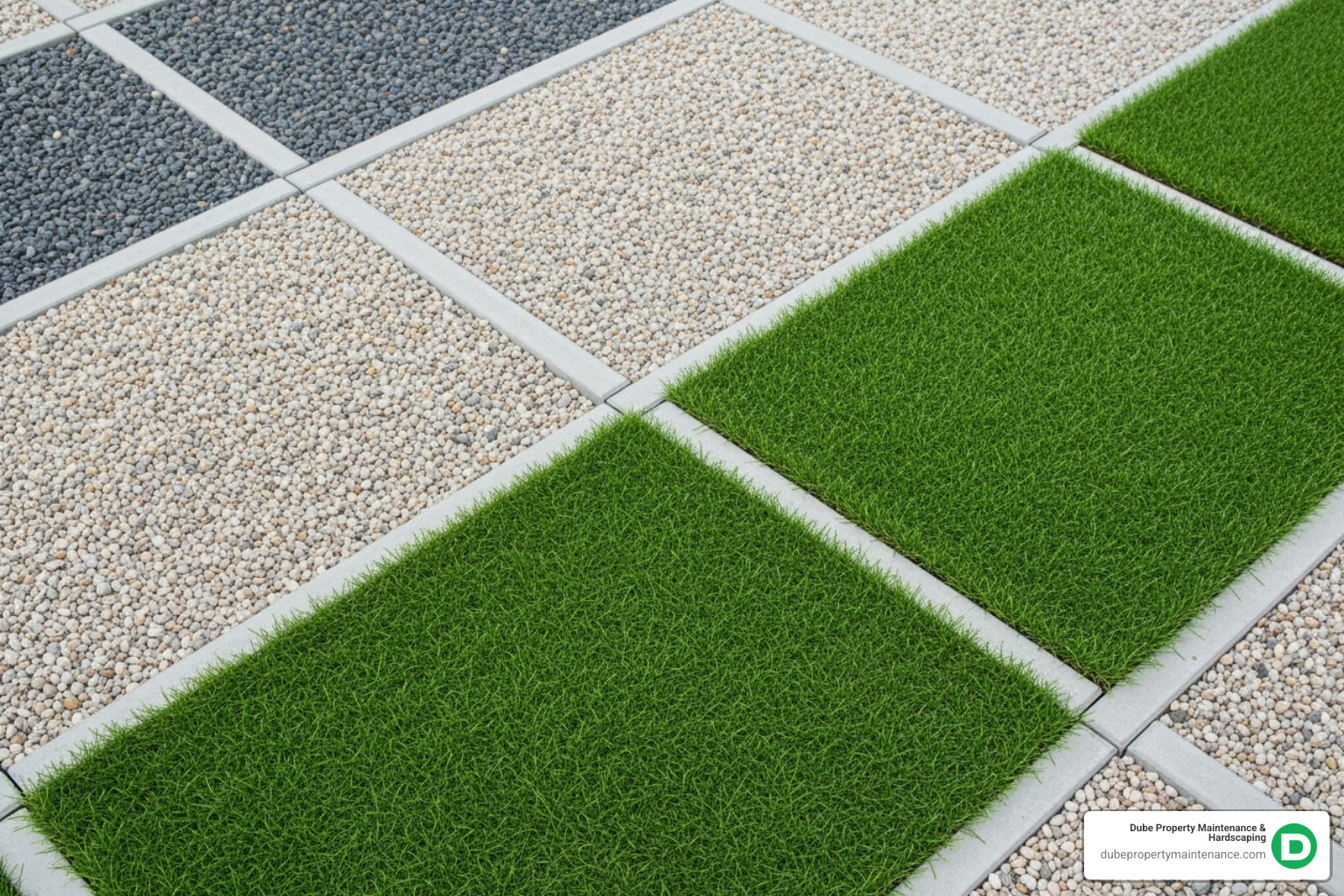
The diamond shape allows for versatile and eye-catching designs. Checkerboard patterns, created by alternating different infill types like grass and stone, are a popular choice. Zigzag patterns add energy, while cubic illusion designs create unique visual effects. Diamond pavers can also be combined with solid pavers for stunning borders or integrated designs.
Each infill choice has a unique character:
The choice of pattern and infill depends on your personal style and practical needs.
When planning an outdoor project, it’s helpful to compare diamond grass pavers with traditional methods like concrete and asphalt. The differences often make the choice clear.
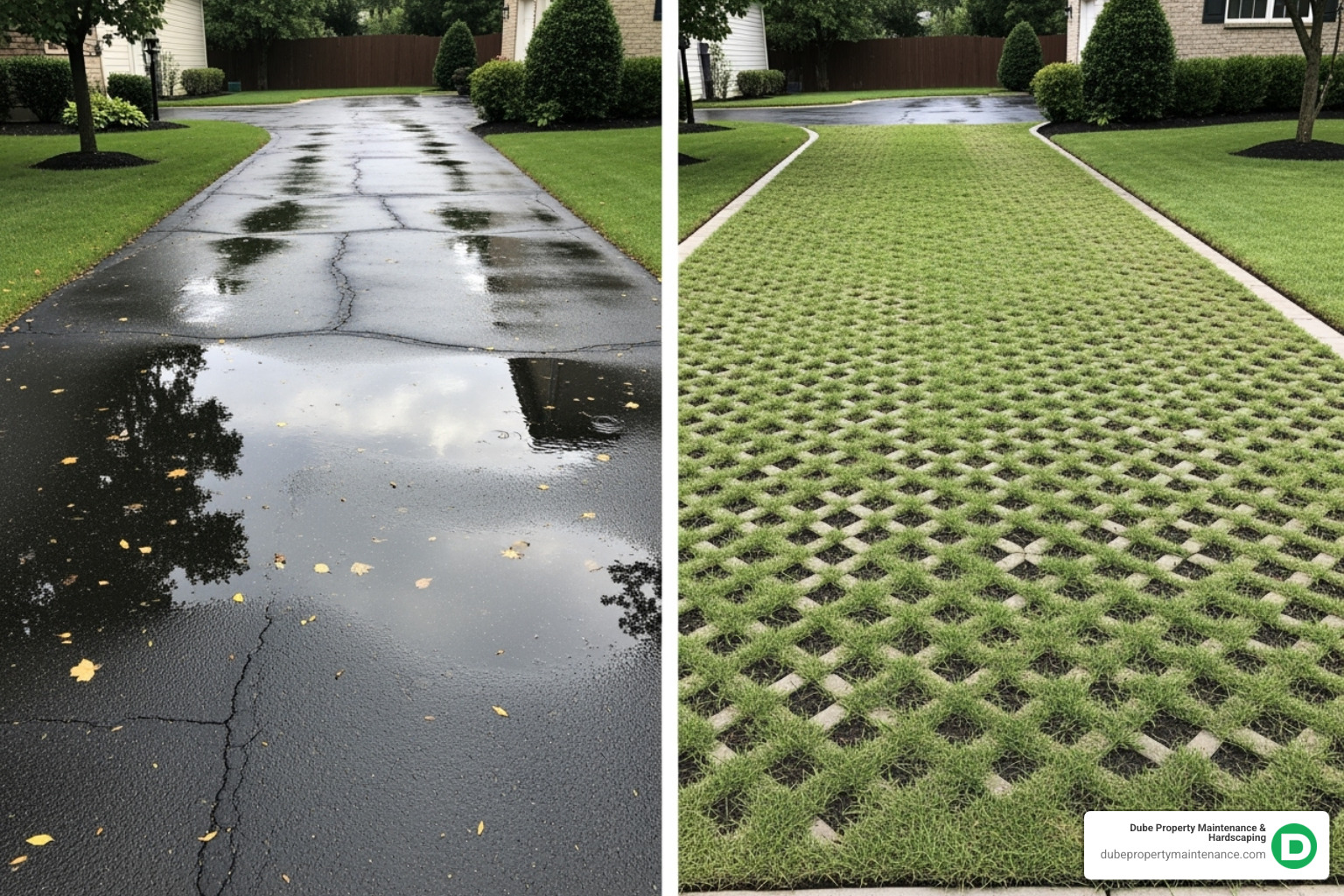
Let’s break down how diamond grass pavers measure against traditional concrete and asphalt:
| Feature | Diamond Grass Pavers | Traditional Concrete/Asphalt |
|---|---|---|
| Cost | Initial cost can be comparable or slightly higher due to material and installation complexity. However, significant long-term savings due to reduced drainage needs and lower maintenance. Some sources claim up to 40-91% cost savings compared to traditional concreting over time. | Initial cost can be lower. However, often requires additional investment in drainage systems. Higher long-term maintenance for crack repair, sealing, and potential replacement. |
| Durability | Extremely high load-bearing capacity (up to 100 tons/sq ft when filled). Resistant to cracking from freeze-thaw cycles due to flexibility. Reduces vehicle wear and tear by eliminating potholes. | Durable but prone to cracking from temperature changes, heavy loads, and ground movement. Requires frequent sealing and repair. Can develop potholes and ruts, leading to vehicle damage. |
| Environmental Impact | Highly permeable (up to 96%): reduces stormwater runoff, recharges groundwater, prevents erosion, lowers heat island effect. Often made from recycled materials. LEED point-eligible. | Impervious: creates significant stormwater runoff, contributes to urban flooding and pollution, increases heat island effect. Made from virgin materials (though some asphalt can be recycled). |
| Maintenance | Minimal. For grass infill: regular mowing, occasional weeding. For aggregate: occasional topping up, brushing. Reduces frequency and cost of maintenance by up to 70% compared to traditional roads. | High. Requires regular sealing, crack filling, and patching. Can need significant repairs or replacement after a few years, especially in areas with freeze-thaw cycles. |
In New England’s challenging climate, the advantages are even more apparent. Unlike asphalt, which cracks and develops potholes after harsh winters, diamond grass pavers are flexible and work with nature, not against it.
From a financial perspective, diamond grass pavers offer excellent long-term value. While the initial cost may be higher, they provide significant savings over time.
Initial installation costs for permeable pavers can range from $8 to $75 per square foot, compared to asphalt ($3-$15) or concrete ($4-$20). Please note: these are average costs based on industry data and do not reflect Dube Property Maintenance & Hardscaping’s specific rates, as every project has unique requirements.
Traditional paving often has hidden costs for drainage systems and frequent maintenance. Diamond grass pavers eliminate most of these expenses by managing water naturally. Long-term savings can be significant, with some sources reporting cost reductions of 40-91% compared to concrete. Maintenance frequency and costs can be reduced by up to 70% by preventing issues like mud, ruts, and potholes.
Longevity is another key factor. Properly installed grass pavers can last for decades, far longer than asphalt, which may need resurfacing every 10-15 years.
The environmental and aesthetic benefits of diamond grass pavers are significant compared to impervious surfaces. Traditional asphalt driveways create stormwater runoff that pollutes local waterways.
With up to 96% permeability, diamond grass pavers allow rainwater to seep into the soil, recharging groundwater and reducing the load on municipal storm systems. The difference in heat absorption is also dramatic. Grass pavers stay much cooler than dark asphalt, reducing the urban heat island effect.
Aesthetically, there’s no comparison. Instead of harsh, monotonous surfaces, diamond grass pavers integrate visually with the landscape. They preserve green space while providing a strong, functional surface.
For more detailed information about the costs associated with different paver options, check out our comprehensive guide: More info about paver driveway cost.
The true beauty of diamond grass pavers is their versatility. They are adaptable for both residential backyards and major commercial developments.
For homeowners, diamond grass pavers transform driveways into stunning, strong entrances that preserve green space. Walkways and patios gain new life, flowing naturally with the landscape. Around pool areas, these pavers are an excellent choice. They manage runoff, provide a slip-resistant surface, and stay cooler underfoot than concrete.
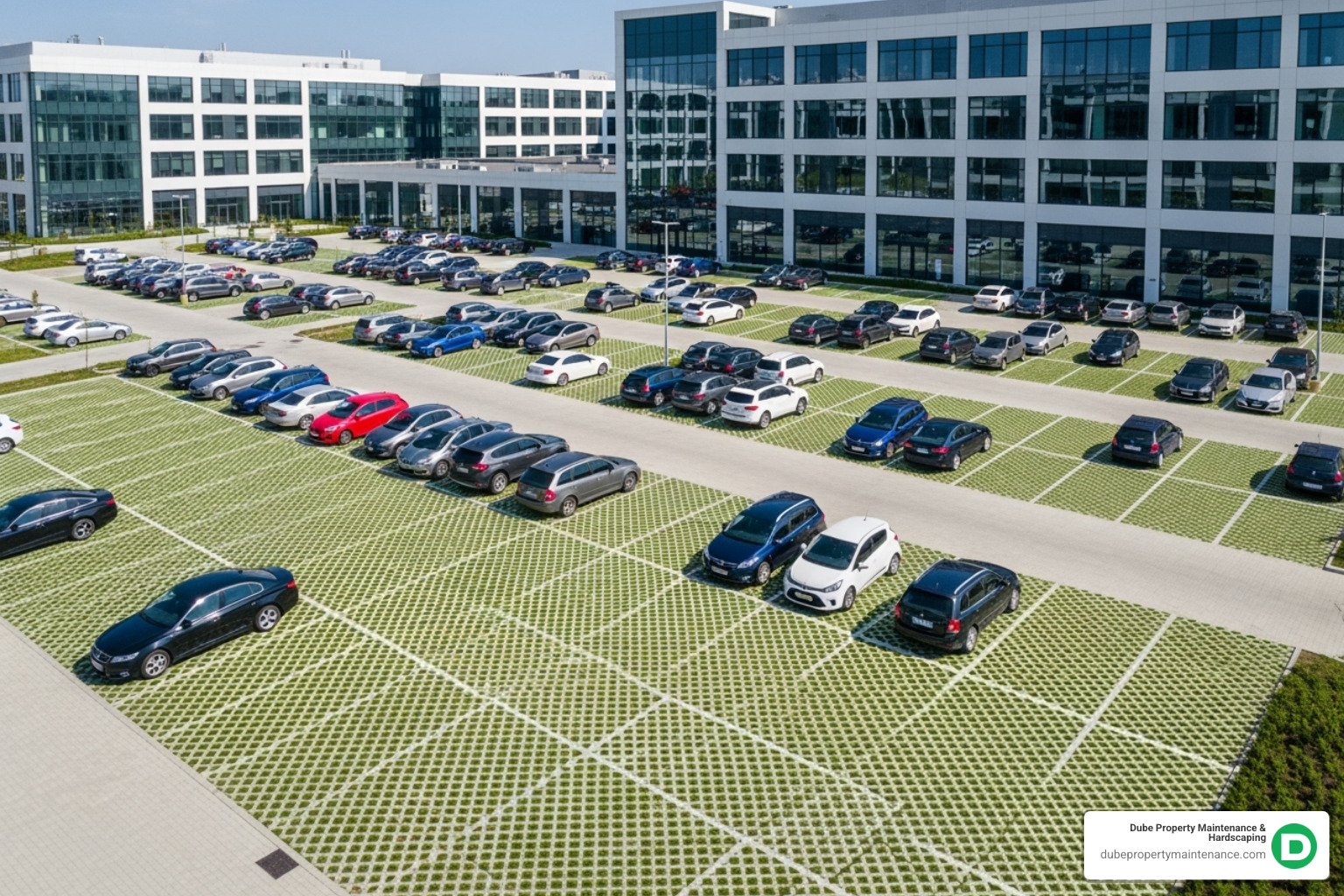
Commercial applications are also impressive. Businesses can create attractive, eco-friendly parking lots that reduce stormwater fees and solve drainage problems. Fire lanes and emergency access routes benefit from the pavers’ strength, supporting heavy vehicles while maintaining a preferred green appearance—a perfect compromise between safety and aesthetics.
On slopes, these pavers are ideal for erosion control, locking soil in place while allowing drainage. They also improve the durability of golf cart paths, trails, and agricultural areas.
Diamond grass pavers are refreshingly low-maintenance. Proper installation ensures they require little attention to keep them looking their best.
For any infill, periodically check for any settling and keep the surface clear of large debris to maintain proper drainage. Overall, diamond grass pavers require less maintenance than traditional surfaces, eliminating the need for crack sealing, patching, or resurfacing.
For more detailed guidance on maintaining your paver surfaces year-round, our team has compiled comprehensive tips on our paver driveway maintenance page.
Here are answers to some of the most common questions we receive about diamond grass pavers.
This is a top concern, and the answer is impressive. Properly installed diamond grass pavers have a massive load-bearing capacity. Concrete systems can handle over 97,000 pounds per square foot, while some heavy-duty plastic grids can support up to 100 tons per square foot when filled.
This is strong enough for fire trucks and other heavy commercial vehicles. The strength comes from the engineered diamond shape, which distributes weight evenly, and the structural support provided by the infill material.
Yes, they are an excellent choice for sloped driveways, often outperforming traditional paving. Their permeable design prevents water from rushing down the slope, which causes washouts and erosion. Instead, water soaks into the ground.
The interlocking structure provides superior soil stabilization, and the pavers are flexible enough to handle New England’s freeze-thaw cycles without cracking. Grass infill adds another layer of erosion control as the roots bind the soil.
There is no single “best” infill; the right choice depends on your aesthetic preferences, maintenance goals, and how the space will be used.
During a design consultation, we can help you weigh these factors to choose the best infill—or combination of infills—for your project.
Diamond grass pavers are more than just a paving option; they are a smart solution for modern landscaping. They combine durability for New England weather, eco-friendliness, and stunning aesthetic appeal.
These pavers solve multiple challenges at once. They create beautiful driveways strong enough for snow plows, manage stormwater naturally, and add functional green space. Their versatility makes them ideal for any project, from residential walkways to commercial parking lots, changing ordinary spaces into a perfect balance of beauty and function.
At Dube Property Maintenance & Hardscaping, we specialize in bringing innovative solutions like diamond grass pavers to our community. Our team understands the local climate and soil conditions throughout our service areas in Massachusetts and New Hampshire, ensuring a correct, professional installation.
Professional installation is crucial. Proper base preparation, compaction, and placement are essential for performance and longevity. Working with our experienced team ensures you get a complete, lasting outdoor solution.
Ready to transform your property? Contact us for your next hardscaping project. Let’s discuss your vision and create a sustainable, stunning outdoor space together.
