
When considering the cost to pave a driveway, it’s crucial to understand the main factors that influence the overall expense. Here’s a quick snapshot of what you can expect:
Your driveway not only serves a practical function but also makes a significant first impression. It can set the tone for the rest of your property. A well-paved driveway boosts curb appeal and adds value to your home. Choosing the right material and design can be challenging, but it’s worth the investment.
Essentially, the costs can vary greatly based on factors like materials, design, and location. To help you make an informed decision, our guide will walk you through the complex landscape of driveway paving costs.

When it comes to the cost to pave a driveway, several factors come into play. Understanding these factors can help you make informed decisions and avoid unexpected expenses.
Materials: The type of material you choose has a significant impact on cost. Common options include asphalt, concrete, gravel, and pavers. Each material has its own price range and characteristics.
Labor Rates: Labor costs can vary depending on your location and the complexity of the job. Contractors in metropolitan areas often charge more than those in rural areas.
Driveway Size: The larger the driveway, the more materials and labor will be required. This will naturally increase the overall cost.
Preparation Work: Site conditions play a crucial role. If your driveway location requires extensive grading, tree removal, or demolition of an existing driveway, expect higher costs.
Asphalt: Asphalt driveways cost an average of $7 to $15 per square foot. They handle extreme temperatures well but require sealing every three to five years. Asphalt driveways typically last 15 to 30 years.
Concrete: Concrete driveways range from $10 to $70 per square foot. They offer a long lifespan of 50 to 100 years with proper maintenance. Concrete can be stamped or colored for added aesthetic appeal but may crack in very cold climates.
Gravel: Gravel is the most economical option, costing $1 to $2 per square foot. It’s easy to install and maintain, lasting up to 100 years with proper care. However, it might not offer the same curb appeal as asphalt or concrete.
Pavers: Driveway pavers can cost anywhere from $5 to $30 per square foot. Made from materials like concrete, natural stone, and brick, they offer high customization and durability. Pavers can last 50 years or more, and individual pieces can be easily replaced if damaged.
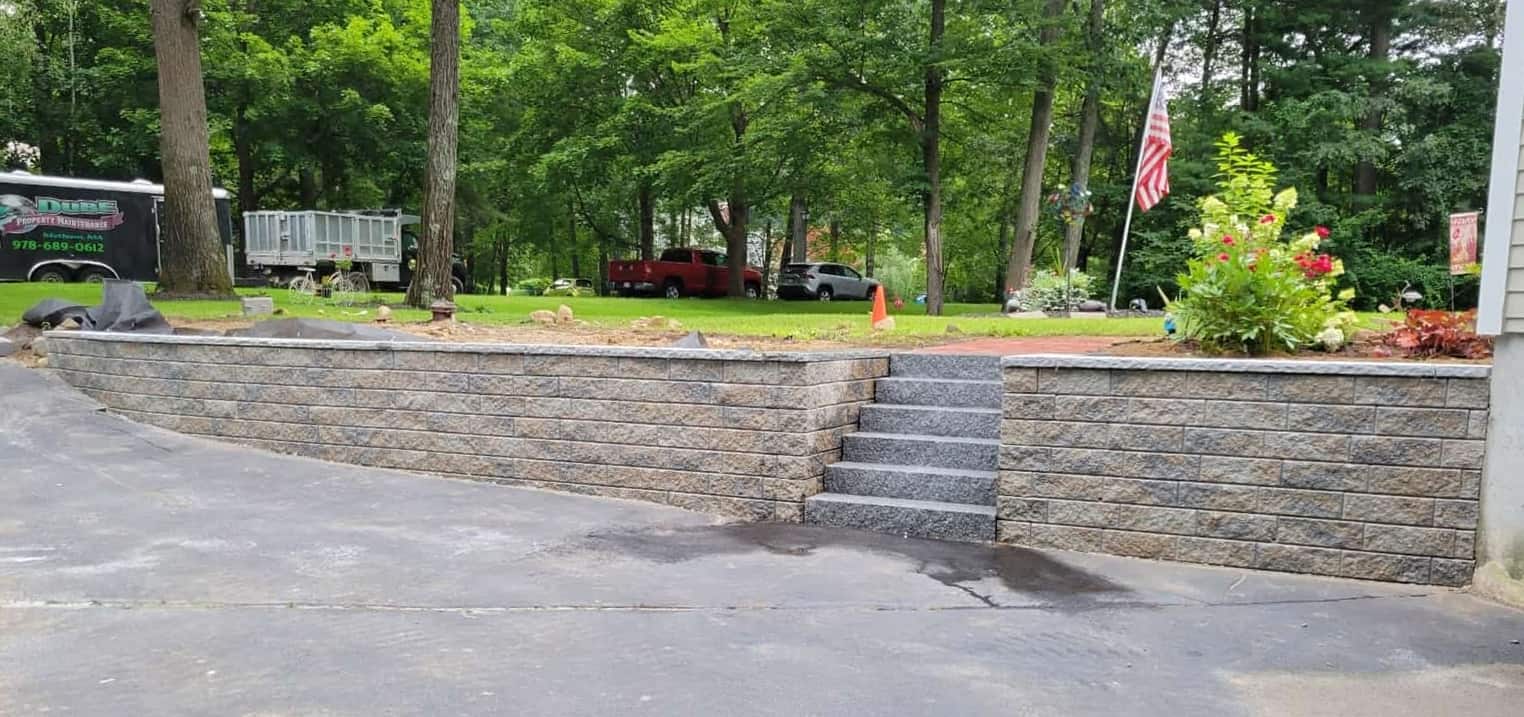
Each material has its pros and cons, so consider your budget, climate, and aesthetic preferences when making your choice.
Next, we’ll break down the costs associated with installation and labor, helping you understand where your money goes and how to budget effectively.
When considering the cost to pave a driveway, materials play a significant role. Here’s a breakdown of the average costs per square foot for different materials:
Labor and installation are crucial components of the overall cost. Here’s what you can expect:
Adding special features can also increase the cost:
By understanding these costs, you can better budget for your driveway paving project and make informed decisions that align with your needs and preferences.
Next, we’ll explore how to estimate your driveway paving costs accurately, ensuring you stay within budget and avoid unexpected expenses.
Estimating the cost to pave a driveway can seem daunting, but with the right tools and resources, it becomes manageable. Here’s a step-by-step guide to help you measure, calculate, and budget effectively.
Start by measuring the dimensions of your driveway. You’ll need the length, width, and desired thickness.
For example, if you’re paving an 80-foot long and 20-foot wide driveway, your total area is 1,600 square feet.
Once you have the measurements, you can calculate the costs using average prices per square foot for different materials. Here’s a quick reference from our research:
Using the example of an 80×20 driveway:
Consider all potential costs, including materials, labor, and any additional features like drainage systems or custom designs.
For a comprehensive budget, include a contingency of about 10-20% to cover unexpected expenses.
Online cost calculators can simplify the estimation process. Websites like HomeAdvisor offer tools where you can input your driveway dimensions and material choices to get an instant estimate.
Getting professional quotes is crucial for an accurate estimate. Contact multiple contractors and request detailed quotes that break down the costs for materials, labor, and any additional services.
If you’re considering a DIY project, assess your capabilities and the tools required. While DIY can save on labor costs, it’s essential to factor in the time and effort needed for a quality job.
By using these tools and resources, you can accurately estimate your driveway paving costs, ensuring you stay within budget and avoid unexpected expenses.
Next, we’ll explore how a quality driveway can enhance your home’s value, making it a worthwhile investment.
A well-paved driveway offers many benefits that extend beyond just a smooth surface to park your car. Let’s dive into how a quality driveway can enhance your home’s value and provide long-term benefits.
Your driveway is one of the first things people notice about your home. A beautiful, well-maintained driveway can significantly boost your home’s curb appeal. Aesthetic appeal is crucial because it sets the tone for what potential buyers can expect inside the house. As the saying goes, “You never get a second chance to make a first impression.”
A quality driveway can add $5,000 to $7,000 to your home’s value. This increase is due to the improved functionality and visual appeal it offers. When buyers see a well-paved driveway, they perceive the property as better maintained, which can justify a higher asking price.
A well-paved driveway can make your home more attractive to potential buyers. According to research, investing in driveway paving can increase the value of your home by $1,430. This investment makes your property stand out in the real estate market, potentially leading to a quicker sale.
Different materials offer varying levels of durability. For example, asphalt driveways can last 15 to 30 years with proper maintenance, while concrete driveways can last even longer. This longevity means fewer repairs and replacements over time, making it a cost-effective choice in the long run.
Quality driveways require less frequent repairs and upkeep. For instance, resealing an asphalt driveway every three to five years can extend its life significantly. Concrete driveways are also low maintenance, requiring occasional sealing and cleaning to keep them in top shape. These maintenance savings add up over time, providing financial relief.
The choice of materials can also impact the aesthetic value of your driveway. Pavers and cobblestones offer a wide range of design possibilities, allowing you to match your driveway to your home’s style. This customization can make your property more appealing to potential buyers.
By investing in a quality driveway, you not only enhance your home’s curb appeal and property value but also enjoy long-term benefits like durability and maintenance savings.
Next, we’ll address some frequently asked questions about driveway paving to help you make informed decisions.
Gravel is the most affordable driveway material. It typically costs between $1 to $3 per square foot. The total average cost for a gravel driveway is about $1,200. However, gravel is often chosen for larger driveways to cut costs further. While gravel is cheap upfront, it requires regular maintenance to last long.
Paving a driveway generally takes two to three days to install. Additionally, the materials need two to three days to cure properly. So, you should plan for about a week from the start of the project to when you can use your driveway. Different materials have different curing times: asphalt takes 48 to 72 hours, while concrete needs seven to 10 days. Gravel and paver driveways can be used immediately after installation.
Paving a driveway can increase the value of your home, which might lead to higher property taxes. A paved driveway can add between $5,000 to $7,000 to your home’s value due to improved curb appeal and functionality. However, the exact impact on property taxes varies by location and assessment practices. Always check with your local tax assessor’s office to understand how a new driveway might affect your property taxes.
Paving your driveway is a significant investment that pays off in various ways. A well-paved driveway not only enhances the curb appeal of your home but also increases its overall value. As we’ve discussed, the cost to pave a driveway can vary based on several factors, including materials, labor, and site conditions. Understanding these elements can help you make an informed decision that aligns with your budget and aesthetic preferences.
At Dube Property Maintenance & Hardscaping, we specialize in creating beautiful, durable driveways that stand the test of time. Whether you’re interested in the classic look of concrete, the versatility of pavers, or the cost-effectiveness of gravel, we have the expertise to deliver exceptional results. Our team is committed to providing high-quality workmanship and excellent customer service.
Ready to transform your driveway? Here’s what you can do next:
For more information on our services and to get started on your driveway paving project, visit our driveway pavers service page.
Thank you for considering Dube Property Maintenance & Hardscaping for your driveway paving needs. We look forward to helping you enhance the beauty and value of your home.
