

Many people wonder if there’s profitability in business snow removal, especially in seasonal regions like Methuen, MA. Here’s what you need to know if you’re considering jumping into the snow removal industry:
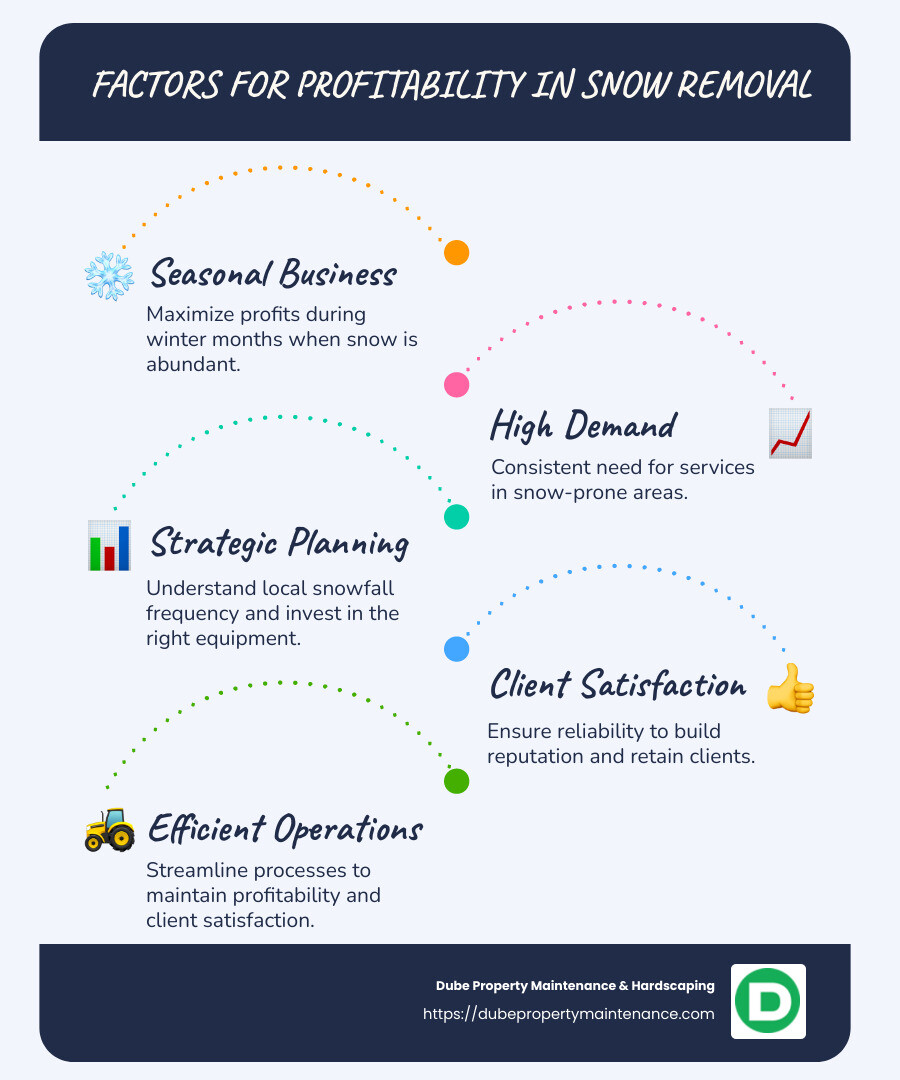
Profitability in snow removal hinges on efficient operations and maintaining excellent relationships with your clients. With the right approach, you can quickly establish your brand and make a substantial income during the winter months.
Business snow removal vocab explained:
– commercial plowing service
– plowing services near me
– snow blowing services near me
When considering launching a business snow removal service, it’s crucial to assess its viability first. This involves understanding snowfall frequency, market demand, and conducting a thorough location assessment.
In snow-prone regions, knowing how often it snows is key. Areas with frequent snowfalls offer more opportunities for snow removal services. For example, some regions in the U.S. experience significant snow accumulation, making them ideal for this business. A detailed understanding of local weather patterns can help you predict the demand for your services.
Once you understand the snowfall frequency, the next step is to gauge the market demand. Areas with heavy snow may have a higher demand for snow removal services from both residential and commercial clients. Businesses, in particular, need to keep their premises accessible and safe, creating a steady demand for professional snow management.

Conducting a location assessment is essential for identifying potential clients and competitors. Look at the density of residential areas, commercial zones, and industrial parks. High-density areas typically have higher demand. Additionally, assess the level of competition. Knowing who your competitors are and what they offer can help you differentiate your services.
By thoroughly understanding these factors, you can determine the viability of your snow removal business and position yourself for success in the market.
Starting a business snow removal service requires having the right equipment to handle various tasks efficiently. Let’s look at some essential gear you’ll need to get started.
A snow plow attachment is a must-have for any snow removal business. These attachments can be mounted on trucks, making them versatile and efficient for clearing large areas like parking lots and driveways. Truck-mounted plows are popular for their ability to handle different snow depths quickly and effectively.
For smaller areas such as sidewalks and pathways, a snow blower is indispensable. These machines come in various sizes and power levels, from walk-behind models for personal use to more robust versions for commercial applications. Snow blowers are excellent for clearing moderate snowfall and are especially useful when plowing isn’t feasible.
Working in snowy conditions means you need to be prepared for the cold. Investing in heavy winter clothing is crucial. This includes insulated jackets, waterproof gloves, and sturdy boots. Proper gear keeps you warm and safe, ensuring you can work efficiently even in harsh weather.
If your business involves transporting snow away from client sites, a top trailer is necessary. These trailers are designed to carry large quantities of snow, making them ideal for jobs where snow needs to be removed entirely from the premises. They are also useful for hauling equipment and supplies to different job sites.
By equipping yourself with these essential tools, you’re setting your snow removal business up for success, ensuring you’re prepared for various jobs and conditions.
Before you start your business snow removal services, it’s crucial to understand the licensing and insurance requirements. These not only protect your business but also ensure you comply with local regulations.
First and foremost, securing a business license is essential. This is your ticket to legally operate and offers credibility to potential clients. Check with your local city or town to understand the specific licensing requirements in your area. Some locations may have unique regulations due to weather conditions or environmental considerations.
Liability insurance is a must for any snow removal business. It covers you in case of accidents, such as slip-and-fall incidents on a property you’ve serviced. This type of insurance helps protect your business from costly lawsuits and financial losses. It’s a safety net that ensures your business remains operational, even in the face of legal challenges.
“Having comprehensive liability insurance is crucial for any snow plowing business, big or small.”
Your snow removal business will likely rely heavily on vehicles, whether for plowing or transporting equipment. Vehicle insurance is essential to cover damages from accidents, theft, or vandalism. Make sure your policy covers all your operational vehicles and consider options that include coverage for plow attachments and other specialized equipment.
If you plan to hire employees, worker’s compensation insurance is often legally required. It provides coverage for work-related injuries, ensuring that your employees receive medical care and compensation for lost wages. This insurance not only protects your workers but also shields your business from potential lawsuits related to workplace injuries.
Regularly reviewing and updating your insurance policies is key as your business grows. Working with an insurance agent who understands the unique needs of a snow removal business can help you maintain appropriate coverage. This proactive approach will help you avoid financial and legal issues, allowing you to focus on growing your business.
When launching a business snow removal venture, a solid client base is essential. Let’s explore how to effectively build this foundation by targeting both residential and commercial clients.
Starting with residential clients is often a smart move for new snow removal businesses. These clients typically include homeowners who need their driveways and sidewalks cleared. Door-to-door selling is a proven method to gain residential clients. By visiting neighborhoods and speaking directly with homeowners, you can introduce your services and offer personalized quotes.
Consider using door hangers or flyers to leave behind when residents aren’t home. This ensures they have your contact information handy when the next snowstorm hits.
Commercial clients, such as small businesses and community centers, offer a steady stream of work. While larger companies might have existing contracts with big snow removal firms, smaller local businesses often prefer to work with nearby providers who can offer more personalized service.
Start by reaching out to local shops, office buildings, and municipal facilities. Demonstrating reliability and efficiency can help you secure repeat contracts, especially if you can ensure their properties remain accessible during snowstorms.
Subcontracting is another effective way to build your client base, especially when you’re just starting out. Larger snow removal companies often subcontract smaller jobs or overflow work. This can provide you with experience and income without the need to secure clients directly.
Subcontracting can also introduce you to industry best practices and help you build a reputation. As you gain experience, you can gradually transition to taking on more direct clients, equipped with the knowledge and credibility gained from subcontracting.
In summary, building a diverse client base by targeting both residential and commercial clients, and leveraging subcontracting opportunities, can set a strong foundation for your snow removal business. As you gain experience and reputation, your client base will naturally expand, allowing for steady growth.
Once you’ve established your client base, it’s time to spread the word about your business snow removal services. Here’s how you can effectively market your offerings using various platforms and strategies:
Local advertising can be a powerful tool for reaching potential customers in your area. Consider placing ads in local newspapers, community bulletins, or radio stations. These platforms often have loyal followings and can help you reach an audience interested in supporting local businesses.
You might also explore using door hangers and lawn signs. These can be particularly effective during the winter months when residents are keenly aware of the need for snow removal services.
Setting up a Google My Business profile is crucial for increasing your visibility online. This free tool allows you to manage how your business appears on Google Search and Maps. Make sure to fill out your profile completely, including your business hours, contact information, and a brief description of your services.
Encourage satisfied customers to leave positive reviews. Reviews can significantly impact your business’s credibility and help attract new clients.
Social media platforms like Facebook and classifieds like Craigslist offer cost-effective ways to reach potential customers. Create a business page on Facebook and regularly post updates, including photos and videos of your work. Engage with your audience by responding to comments and messages promptly.
Craigslist is another platform where you can list your services for free. Keep your listings straightforward and include essential details like pricing, services offered, and contact information.
Never underestimate the power of word of mouth. Satisfied customers are often your best marketers. Encourage them to share their positive experiences with friends, family, and neighbors. You can even offer incentives like discounts or referral bonuses for every new client they bring in.
Building a reputation for reliability and quality service will naturally lead to more referrals, helping your business grow organically.
By utilizing these marketing strategies, you can effectively promote your snow removal services and ensure a steady stream of clients throughout the winter season.
Setting the right price for your business snow removal services is crucial. It can make the difference between securing contracts and losing out to competitors. Let’s break down the main factors to consider.
Materials like salt or ice melt are essential for snow removal. On average, applying salt to walkways or driveways costs between $20 to $45. These materials help prevent ice formation, making them a must-have for effective service. Consider buying in bulk to reduce costs, especially if you’re managing larger areas like parking lots.
Investing in the right equipment is a significant upfront cost. A snow plow can range from $700 to $4,200, while snow blowers might cost between $60 and $800. If funds are tight, look for used equipment, which can be a more affordable option. Quality equipment not only ensures efficient service but also minimizes maintenance costs in the long run.
Understanding your local market is key to setting competitive prices. Most companies charge an hourly rate, typically between $30 to $80 per hour per crew member. Larger properties with more snow will naturally cost more. Consider offering a range of pricing packages to cater to different customer needs, from one-time services to seasonal contracts.
For clients with extensive properties or those seeking long-term contracts, offering bulk pricing can be attractive. A fixed-rate seasonal contract can range from $350 to $500. This approach not only secures steady income but also builds customer loyalty. Make sure to clearly outline any limits on the number of visits included in these packages.
By carefully considering these factors, you can set prices that are both competitive and profitable, ensuring your snow removal business thrives even in the harshest winter conditions.
Next, we’ll explore how to manage operations and handle emergencies effectively, ensuring your business remains reliable and trustworthy in the eyes of your clients.
Running a business snow removal operation is more than just plowing snow. It’s about being prepared, even when things don’t go as planned. Let’s explore how you can keep your operations smooth and handle emergencies effectively.
Before you head out for a job, have a comprehensive equipment checklist. This ensures you’re ready for any situation and can provide top-notch service without delays. Here’s a basic checklist to get you started:
After each job, perform a status check on all equipment. This helps prevent unexpected breakdowns during the next snowfall.
Emergencies can happen at any time. Equipment might fail, or you might fall ill. Having an emergency backup plan is crucial. Consider these steps:
A well-thought-out contingency plan ensures your business can adapt quickly to unexpected challenges. Here’s how to create one:
By having these strategies in place, you can manage your business snow removal operations smoothly, even in the face of emergencies. This not only keeps your clients happy but also builds a reputation for reliability and professionalism.
Next, we’ll explore off-season strategies to keep your business thriving year-round.
The off-season is your golden opportunity to prepare for the next snow-laden months. Here’s how you can make the most of this downtime to ensure your business snow removal operations run smoothly when the snowflakes start to fall again.
Regular maintenance of your equipment is crucial. It not only prolongs the life of your tools but also ensures they perform efficiently when needed. Here’s what to focus on:
Having the right supplies on hand can make or break your snow removal season. Plan ahead to avoid last-minute scrambles:
Preparation is key to hitting the ground running when winter arrives. Here’s how to get ready:
By focusing on these off-season strategies, you’re setting up your business snow removal operations for success. With well-maintained equipment, ample supplies, and a solid plan, you’ll be ready to tackle whatever winter throws your way.
Next, let’s dive into the frequently asked questions about snow removal businesses to address common concerns and curiosities.
Yes, there is definitely money to be made in business snow removal. It’s a seasonal business, which means you’ll be busiest during the winter months. But during this time, the profitability can be quite high. Many people and businesses are willing to pay for snow removal services to ensure safety and accessibility. Offering specials and coupons can attract more customers and increase your income. Plus, if you do a good job, word of mouth can bring in even more business.
Getting customers for your snow removal business requires a mix of strategies. Start with word of mouth; satisfied customers are your best advertisers. Encourage them to tell their friends and neighbors about your services. Use social media platforms like Facebook to reach a wider audience. You can also list your services on sites like Google My Business and Craigslist. Consider offering specials or coupons to attract new clients. And don’t underestimate the power of door-to-door selling, especially in neighborhoods that get a lot of snow.
Starting a snow shoveling business involves a few key steps. First, create a business plan that outlines your services, target customers, and pricing. Next, secure the necessary insurance to protect yourself and your business. Invest in reliable equipment, such as snow shovels, blowers, and plows. Branding is also important; choose a memorable name and create a simple logo. Having a strong brand helps you stand out in a competitive market. Finally, use a mix of marketing strategies to reach potential customers, including social media, flyers, and community bulletin boards.
By addressing these common questions, you’re better equipped to start and grow your snow removal business. Now, let’s explore how Dube Property Maintenance & Hardscaping can help you with comprehensive outdoor solutions.
At Dube Property Maintenance & Hardscaping, we pride ourselves on delivering comprehensive outdoor solutions that cater to both residential and commercial clients. Our professional team is dedicated to ensuring that your property remains safe, accessible, and visually appealing throughout the year.
When it comes to business snow removal, our expertise stands out. We understand the unique challenges that winter weather can present, and we’re equipped to handle them efficiently. Our services include everything from snow plowing and de-icing to sidewalk shoveling and icicle removal, ensuring your property is well-maintained even in the harshest conditions.
Our approach is simple: we combine high-quality equipment with a skilled team to provide reliable and timely service. This commitment to excellence is why clients trust us to manage their snow removal needs season after season.
If you’re looking for a partner to help manage your property’s winter needs, look no further. Visit our Commercial Snow Management page to learn more about how we can assist you. With Dube Property Maintenance & Hardscaping, you’re not just getting a service provider; you’re gaining a partner dedicated to the upkeep and beauty of your outdoor spaces.

