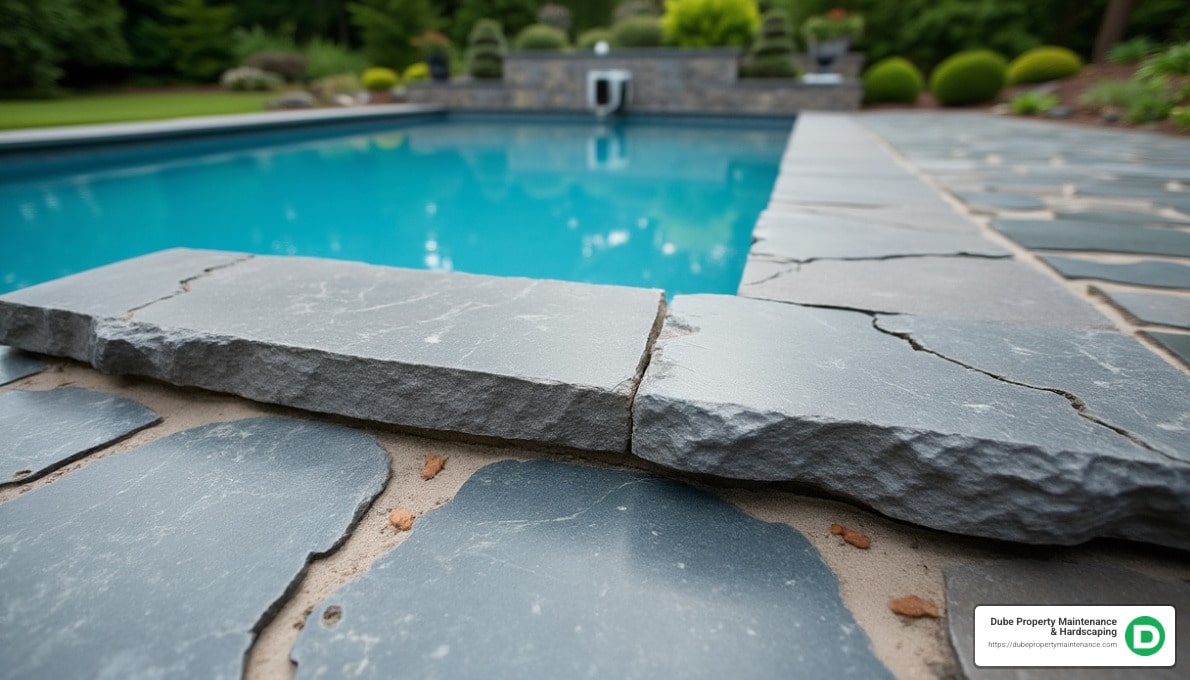

A bluestone pool deck can transform your backyard into an neat oasis, but is it the right choice for you? Here’s a quick overview to help you decide:
Bluestone offers a timeless charm but comes with some considerations. If you’re drawn to its beauty and resilience, ensuring proper installation and maintenance can greatly improve its performance as a pool deck material.
Bluestone pool deck helpful reading:
– best pavers for pool deck
– pool deck paving
– travertine pavers pool deck
Durability
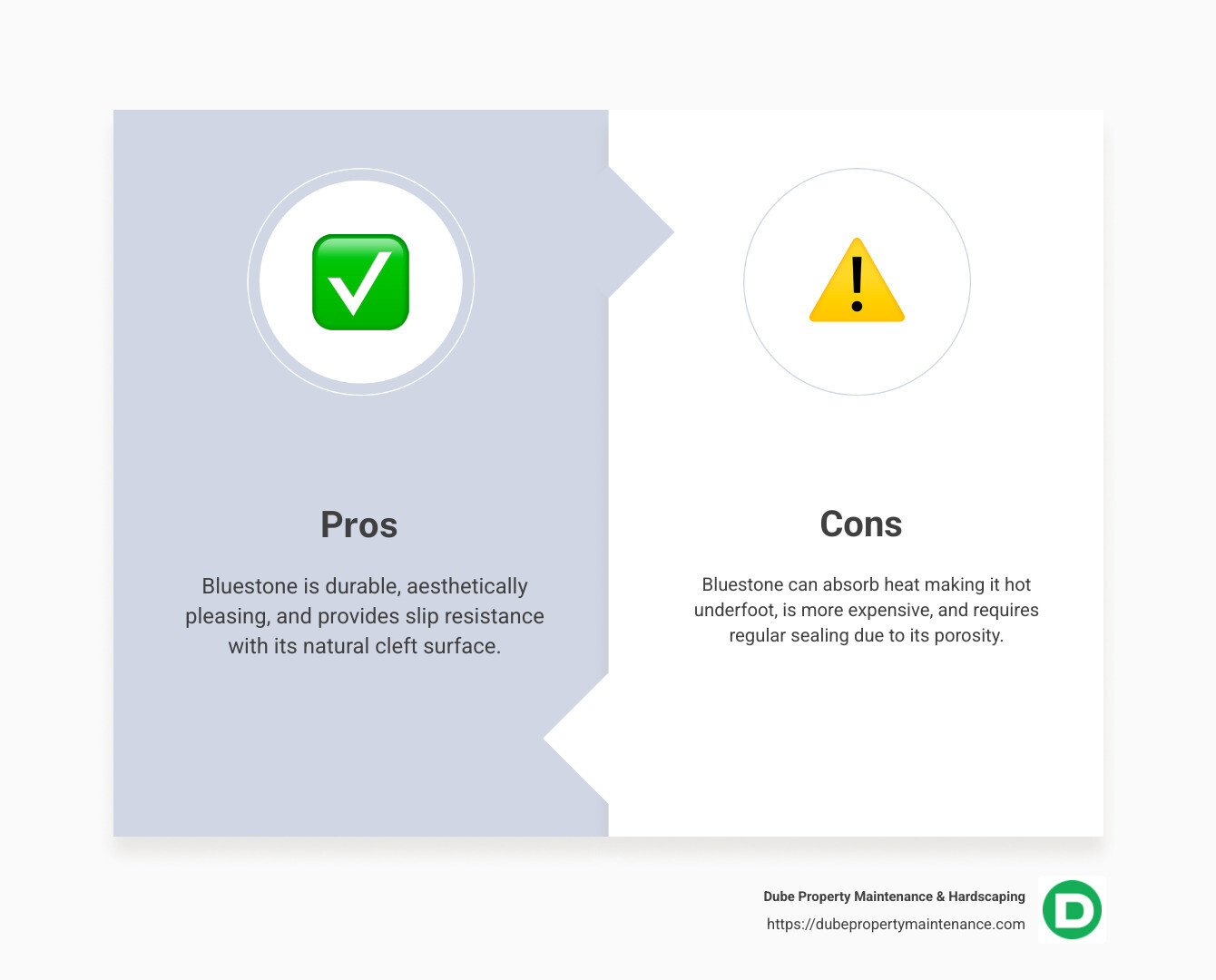
Bluestone is known for its exceptional durability. This natural stone stands up well to the elements, including harsh winters and hot summers. Its strength comes from its dense composition, making it a long-lasting option for pool decks. With proper care, a bluestone pool deck can last for decades without significant wear.
Aesthetic Appeal
One of the biggest draws of bluestone is its aesthetic appeal. It offers a classic, neat look with its rich blue-gray hues. Bluestone can complement a wide range of architectural styles, from traditional to modern. Its natural beauty can lift the overall appearance of any outdoor space, making it a popular choice for homeowners seeking a sophisticated look.
Slip Resistance
Safety is a top concern around pools, and bluestone delivers with its slip-resistant properties. The natural cleft surface of bluestone provides excellent traction, reducing the risk of slipping when wet. This makes it a practical choice for pool decks, where safety is a priority.
Natural Cleft Surface
The natural cleft surface of bluestone not only improves slip resistance but also adds to its visual appeal. This textured surface gives bluestone a rustic charm that many homeowners find attractive. It also helps to disguise minor scratches and wear, maintaining its beautiful appearance over time.
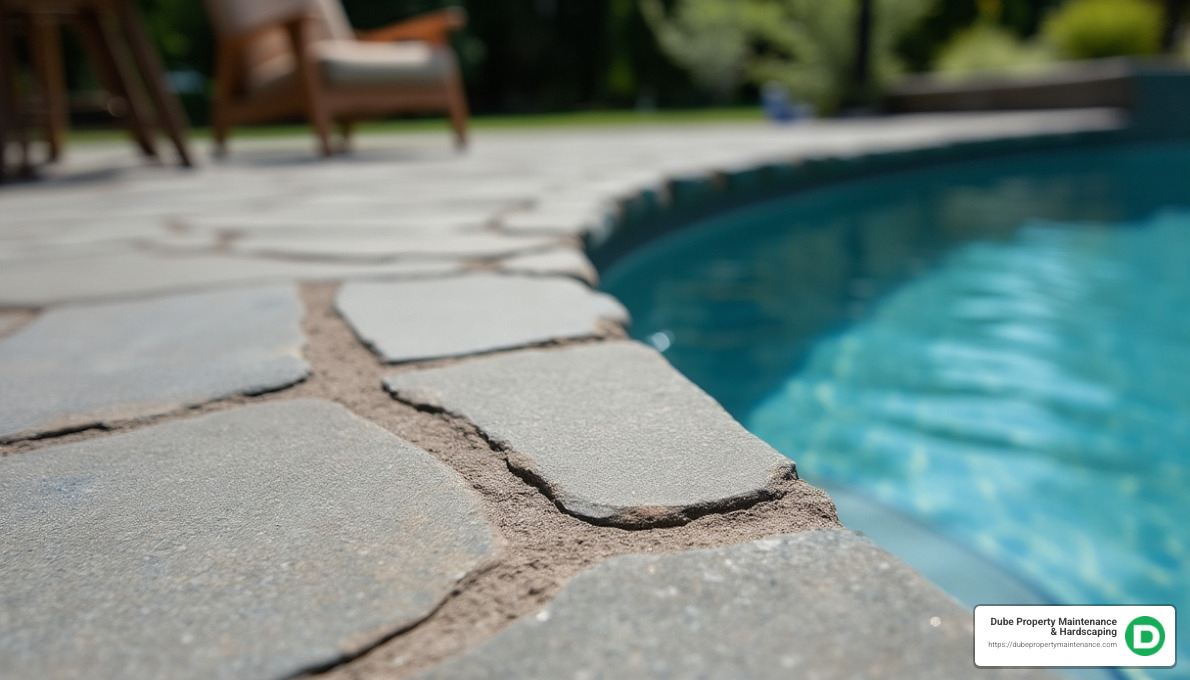
In summary, bluestone offers a compelling mix of durability, beauty, and safety features that make it a top choice for pool decks. Its timeless aesthetic and practical benefits ensure that a bluestone pool deck is not only a stylish addition to any home but also a wise investment in outdoor living.
While a bluestone pool deck offers many benefits, it’s important to consider some potential downsides before making a decision.
Heat Absorption
One of the most talked-about concerns with bluestone is its tendency to absorb heat. Under direct sunlight, bluestone can become quite hot, making it uncomfortable to walk on barefoot. This is due to the stone’s specific heat properties, which allow it to retain warmth. In areas with intense sun exposure, like Utah or parts of New England during the summer, this can be a significant drawback. If your pool deck is in a shaded area, this might not be as much of a concern, but it’s something to consider for sunny spots.
Cost
Bluestone is often more expensive than alternative materials like concrete or brick. The price can vary widely, with average costs ranging from $20 to $60 per square foot, depending on the quality and cut of the stone. This price range is based on internet data and may not reflect actual costs from Dube Property Maintenance & Hardscaping. The higher initial investment can be a barrier for some homeowners, especially when factoring in the additional costs of installation and maintenance.
Porosity
Bluestone is a porous material. This means it can absorb water, which can lead to staining or damage over time, especially if the stone isn’t properly sealed. In freeze-thaw climates, water can seep into the stone and freeze, potentially causing cracks. This porosity requires homeowners to be vigilant about sealing the stone to protect it from water damage.
Sealing Requirements
To mitigate issues related to porosity and staining, bluestone requires regular sealing. A good sealer can improve the stone’s color and protect it from weathering and stains. However, sealing is not a one-time task—it needs to be reapplied periodically, adding to the ongoing maintenance costs and efforts. Without proper sealing, a spilled glass of red wine or chlorine from pool splash-out could leave lasting marks on your beautiful deck.
In conclusion, while a bluestone pool deck offers undeniable beauty and durability, potential buyers should weigh these factors against the material’s tendency to absorb heat, higher cost, porosity, and the need for regular sealing.
If you’re considering options beyond a bluestone pool deck, there are several excellent alternatives that might better suit your needs, preferences, and budget. Let’s explore some popular options: limestone, granite, sandstone, and travertine.
Limestone is a fantastic choice for pool decks, particularly in hot climates. Its light color reflects sunlight, keeping the surface cooler underfoot. This makes it more comfortable to walk on during those scorching summer days. Limestone is also known for its natural beauty and versatility. It comes in various shades, primarily light creams and beiges, which can complement a wide range of home styles.
However, it’s important to note that limestone is somewhat porous and may require sealing to prevent water absorption and staining. Regular maintenance is essential to keep it looking pristine.
Granite is renowned for its durability and strength, making it an excellent choice for a pool deck. It’s highly resistant to scratching, chipping, and cracking, even in high-traffic areas. Granite comes in a wide array of colors and patterns, offering plenty of design flexibility.
One of the standout features of granite is its low water absorption rate, making it ideal for regions with freeze-thaw cycles. It’s less likely to absorb water and crack compared to more porous stones. However, granite can be a bit pricier, with costs ranging from $30 to $90 per square foot, based on internet data.
Sandstone offers a natural, earthy aesthetic that blends beautifully with outdoor environments. It’s available in a variety of warm tones, from soft yellows to rich reds. Sandstone’s texture provides excellent slip resistance, a crucial factor for pool decks.
While sandstone is generally more affordable than granite, it is more porous. Like limestone, it requires sealing to protect against moisture and staining. Regular upkeep will help maintain its appearance and longevity.
Travertine is another popular choice for pool decks due to its unique appearance and functional benefits. It has a naturally pitted surface that provides traction, reducing the risk of slipping. Travertine is also known for its ability to stay cool, even in direct sunlight, making it comfortable for barefoot walking.
The stone’s natural beauty and range of colors, from ivory to walnut, make it a favorite for luxurious outdoor spaces. However, travertine, like other natural stones, requires sealing to prevent staining and moisture damage. Average costs for travertine range from $15 to $50 per square foot, based on available data.
In summary, while a bluestone pool deck has its merits, these alternatives offer their own unique advantages. Whether you prioritize heat resistance, durability, or aesthetic appeal, there’s likely a stone that fits your vision for a perfect poolside retreat.
When planning a bluestone pool deck, there are several design elements to consider. Each plays a crucial role in achieving the desired look and functionality for your outdoor space.
Bluestone is prized for its rich, natural hues ranging from deep blues to greys. This variety allows for customization to match your home’s exterior or landscape. Lighter shades can help keep the surface cooler, a significant benefit during hot summer days. Consider how the color complements other elements like your pool water, house color, and surrounding greenery.
The texture of bluestone affects both aesthetics and functionality. A natural cleft surface offers a rustic, organic look, with inherent slip resistance due to its uneven surface. For a more polished appearance, sawn and honed finishes provide a sleek, modern vibe. Rougher textures generally improve grip, making them safer around pool areas.
The size of the bluestone pieces can dramatically influence the overall feel of your pool deck. Larger slabs create a more expansive, grand appearance, suitable for larger deck areas. Smaller stones, on the other hand, allow for intricate patterns, adding a sophisticated touch. Choose the scale that best fits the size of your area and your design preferences.
Bluestone can be cut into various shapes, from squares and rectangles to irregular pieces. This versatility allows for creative design patterns, such as running bond, herringbone, or random free-form layouts. Each pattern brings a unique character to your pool deck. For instance, a herringbone pattern offers a sense of movement and elegance, while a random layout provides a more natural, laid-back feel.
By thoughtfully considering these design elements, you can create a bluestone pool deck that not only improves your home’s aesthetic but also meets practical needs. Whether you aim for a rustic charm or a sleek modern look, bluestone provides the flexibility to achieve your vision.
Bluestone’s heat absorption is a common concern for pool decks. It’s true that darker stones, like bluestone, can get hot under the sun. This is due to their specific heat capacity, which determines how quickly they absorb and release heat. In full sun, the surface temperature of bluestone pool decks can become uncomfortable for bare feet. However, using lighter shades of bluestone can help mitigate this issue. Additionally, incorporating shade elements or installing cooling systems like pop-up sprinklers can keep the surface temperature down.
Bluestone is a popular choice for pool decks due to its durability and aesthetic appeal. Its natural cleft surface offers slip resistance, which is ideal for wet areas. Bluestone is also known for its robustness against weather conditions, making it a long-lasting option. However, it does require sealing to prevent moisture absorption and staining, especially in freeze-thaw climates. While the initial cost can be higher than other materials, its longevity and timeless beauty often justify the investment.
While bluestone has many advantages, it also comes with some drawbacks. Heat absorption, as mentioned, can be a concern in sunny climates. The stone’s porosity means it can absorb water, leading to potential staining and weathering if not properly sealed. Regular maintenance, including sealing, is necessary to preserve its appearance and functionality. Cost is another factor to consider; bluestone is generally more expensive than materials like concrete. However, its aesthetic appeal and durability often make it a worthwhile choice for many homeowners.
By understanding these aspects, you can make an informed decision about whether a bluestone pool deck is the right choice for your outdoor space.
Choosing the right material for your pool deck is a big decision, and bluestone pool decks offer a blend of natural beauty and durability. At Dube Property Maintenance & Hardscaping, we understand that every outdoor space is unique. Our comprehensive outdoor solutions are designed to meet your specific needs, ensuring that your pool area is both functional and visually appealing.
Our professional team is committed to delivering high-quality results. We take pride in our attention to detail and dedication to customer satisfaction. Whether you’re interested in a bluestone pool deck or exploring other options, we can guide you through the process, from design to installation.
While bluestone is an investment, its timeless elegance and robust nature often make it a favorite among homeowners. If you’re ready to transform your outdoor space, consider reaching out to us for a consultation. Our expertise in landscape and hardscape design can help bring your vision to life.
For more information on how we can help with your next project, visit our landscape and hardscape design page. Let us help you create the perfect outdoor oasis.